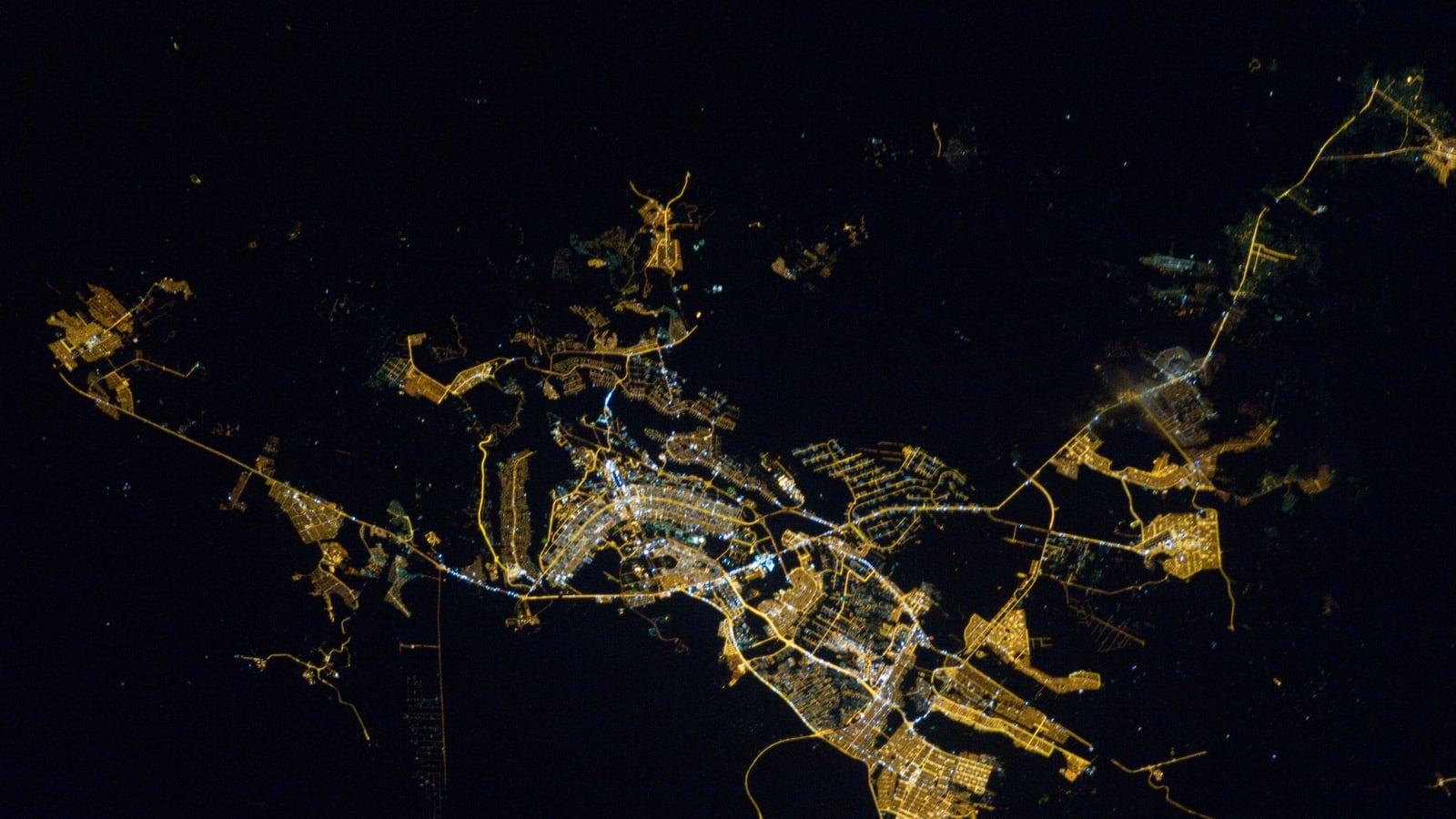
The 8th Summit for Space Sustainability runs November 4-5, 2026 at the Royal Tulip Brasília Alvorada in Brasília. It is the first edition held in Latin America and the Caribbean. The Secure World Foundation and the Brazilian Space Agency (AEB) co-host it with the Federal District's science and technology secretariat. Two days of talks on debris, orbital safety, the uses of space for development, and the rules taking shape around the Moon and Mars.
A first for Latin America, and not by accident
Since 2019 the Summit for Space Sustainability has gathered the sector in Washington, London, New York, Tokyo and Paris. This year, the summit is held in Latin America and the Caribbean for the first time. The Secure World Foundation, which runs it with AEB, gives a simple reason: the region depends on satellites for very practical things.
Watching over the Amazon, the Cerrado and the Pantanal. Tracking crops and droughts. Warning of floods. Patrolling borders and coastlines. Connecting isolated villages. All of that now runs through images and signals from orbit. The summit's official page sums up the region's challenges in three points: its reliance on space services, institutional capacity that varies widely from one country to the next, and fairness of access to radio frequencies, the orbital slots satellites need and the data they return.
Brazil is more than the host. With a civilian space program structured since 1994, when AEB was created, the country acts as a regional convener. Its Amazônia-1 satellite, launched from India on February 28, 2021, was the first Earth-observation spacecraft entirely designed, integrated, tested and operated in Brazil. It photographs the ground at a resolution of 64 meters, meaning each pixel covers a square 64 meters across. Its swath is 866 kilometers, a strip of terrain 866 kilometers wide on every pass, and it flies back over the same spot every five days. Then there are the CBERS satellites, a family of Earth-observation spacecraft built with China since 1999, whose images feed Brazil's deforestation monitoring programs.
The country also has the Alcântara launch center, 2°18' south of the equator. That near-zero latitude opens a wide range of azimuths, up to 107°, meaning the compass headings a rocket can follow as it climbs. It also makes it possible to aim for both polar orbits, which sweep over the poles, and orbits that stay above the equator.
The catalog tracks only a fraction of what is up there
The question at the heart of the summit is older than most of its participants. Since 1957, humanity has placed about 28,570 satellites in orbit, according to the European Space Agency's count. About 19,610 are still up there, and about 15,800 still work. The rest are dead, or have already come back down.
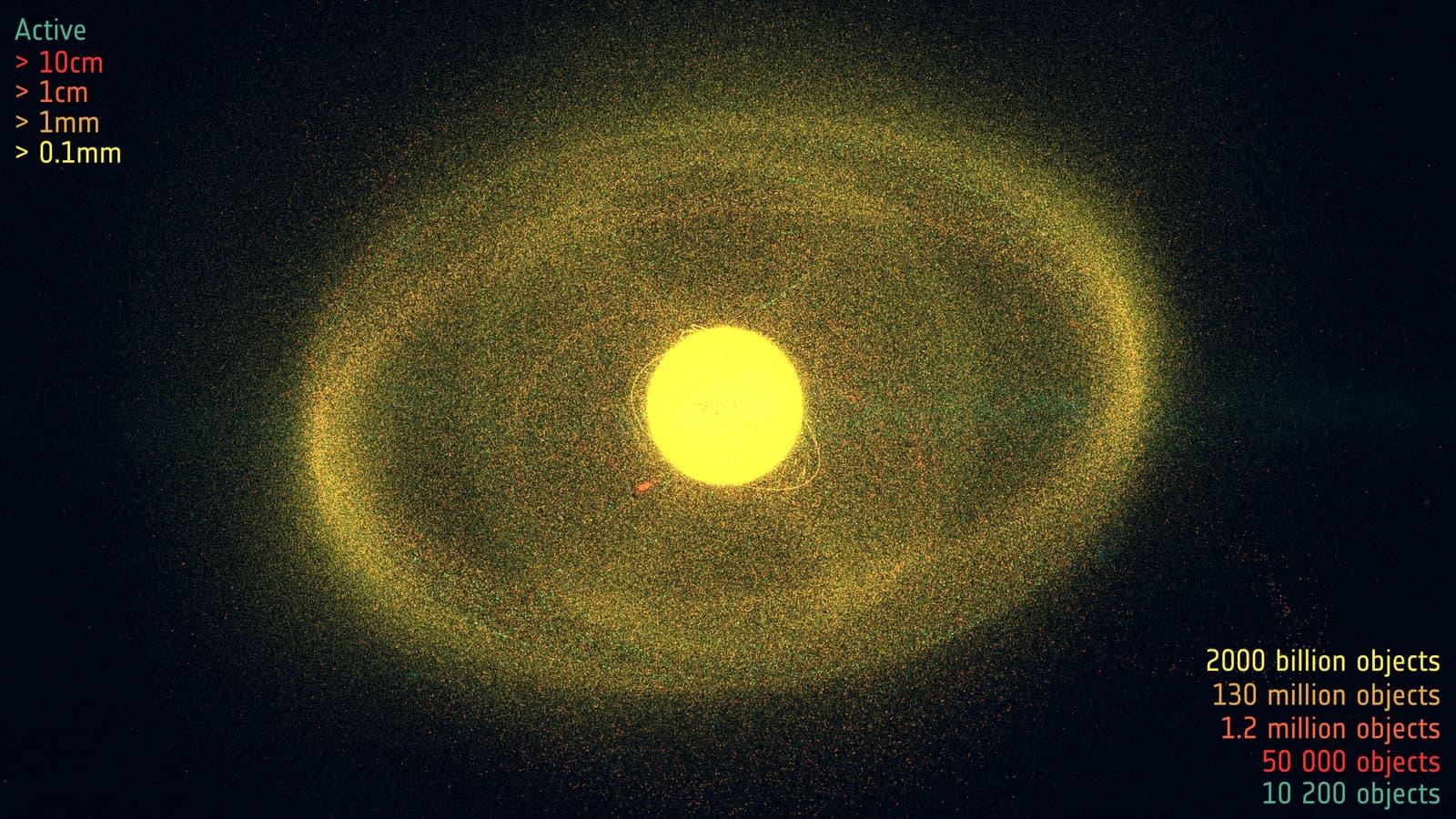
The official catalog, kept by space surveillance networks, lists about 47,280 objects that are tracked regularly. A cataloged object is one whose orbit is known precisely enough to predict its passes and warn of a collision. But the catalog does not tell the whole story. ESA estimates that about 68,450 objects larger than 10 centimeters are in orbit, and only about 11,300 of them are active payloads, meaning the working satellites rather than the rocket stages that carried them. Between 1 and 10 centimeters, the model climbs to about 1.5 million objects. Between 1 millimeter and 1 centimeter, to about 230 million. The total mass of all these objects in orbit is estimated at more than 17,500 tonnes.
Why does the small stuff matter? Because a piece of debris larger than 1 centimeter is enough to disable a working satellite, ESA says. The shielding on the International Space Station is sized to stop projectiles up to 1 centimeter. Beyond that, shielding no longer helps: you have to move out of the way of tracked debris.
These objects do not float. They race at orbital speeds, up to 15 kilometers per second for debris, or 54,000 kilometers per hour. At that speed an impact pulverizes the projectile and gouges a crater in the target. A visit to low Earth orbit, the zone a few hundred kilometers above our heads, is a bit like crossing a firing range where the projectiles keep circling.
A sky filling up faster than it empties
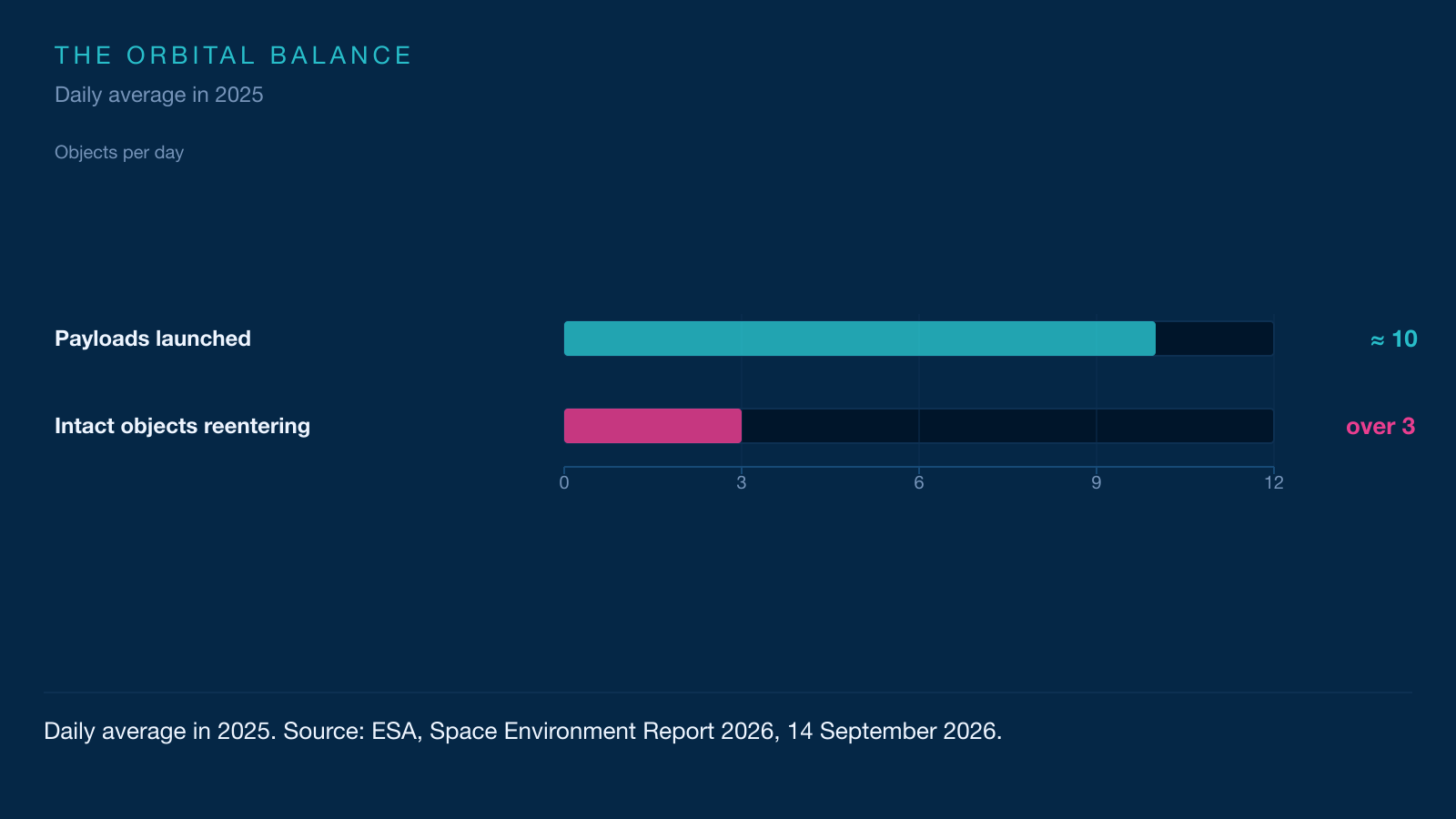
What worries engineers most is not the stock but the flow. In 2025, more than 300 launches put more than 4,000 payloads into orbit. On average, about ten payloads, meaning the satellites themselves, are launched every day. At the same time, more than three intact objects, satellites or rocket bodies, reenter the atmosphere daily. The balance tips the wrong way, and it does not correct itself.
ESA's 2026 Space Environment Report drives the point home. The agency's environment health index, a single number that sums up the long-term effect of today's activity, got roughly ten times worse in one year. ESA has even cut the horizon of its projections, the span of time over which it models the future of orbit, from 200 to 100 years, because the trends are getting worse.
This vicious circle has a name, the Kessler syndrome, after the engineer who described it in 1978. The idea is simple. Past a certain threshold of debris, collisions create fragments that trigger new collisions. The process feeds itself, and it becomes very hard to reverse. More than 660 fragmentation events are already on record, including explosions, collisions and anomalies, and each one scattered shards that are still orbiting today.
ESA says it carries out about a dozen collision avoidance maneuvers a year on average for its own missions. The figure is undated and covers only the agency's fleet, but it gives the order of magnitude for one space agency. Across global traffic the count is much higher, even though no official source we consulted publishes a dated total.
From satellites to decisions: the last mile
One of the summit's themes is called Benefiting. It starts from an observation: satellites produce data, not decisions. Between the image and the action sits a last mile made of fragmented public procurement, incompatible formats, uneven connectivity and too few trained staff. The summit's site calls it the last-mile gap between satellites and outcomes for society.
Brazil offers an example of what that mile can deliver. On October 16, 2026, the National Institute for Space Research (INPE) published Amazon deforestation figures for August 2025 to July 2026: 3,335 square kilometers, down 41.8% year on year and the lowest level since the series began in 1988. In the Cerrado, the drop reaches 23.8%, to 5,516.69 square kilometers, the lowest since 2001.
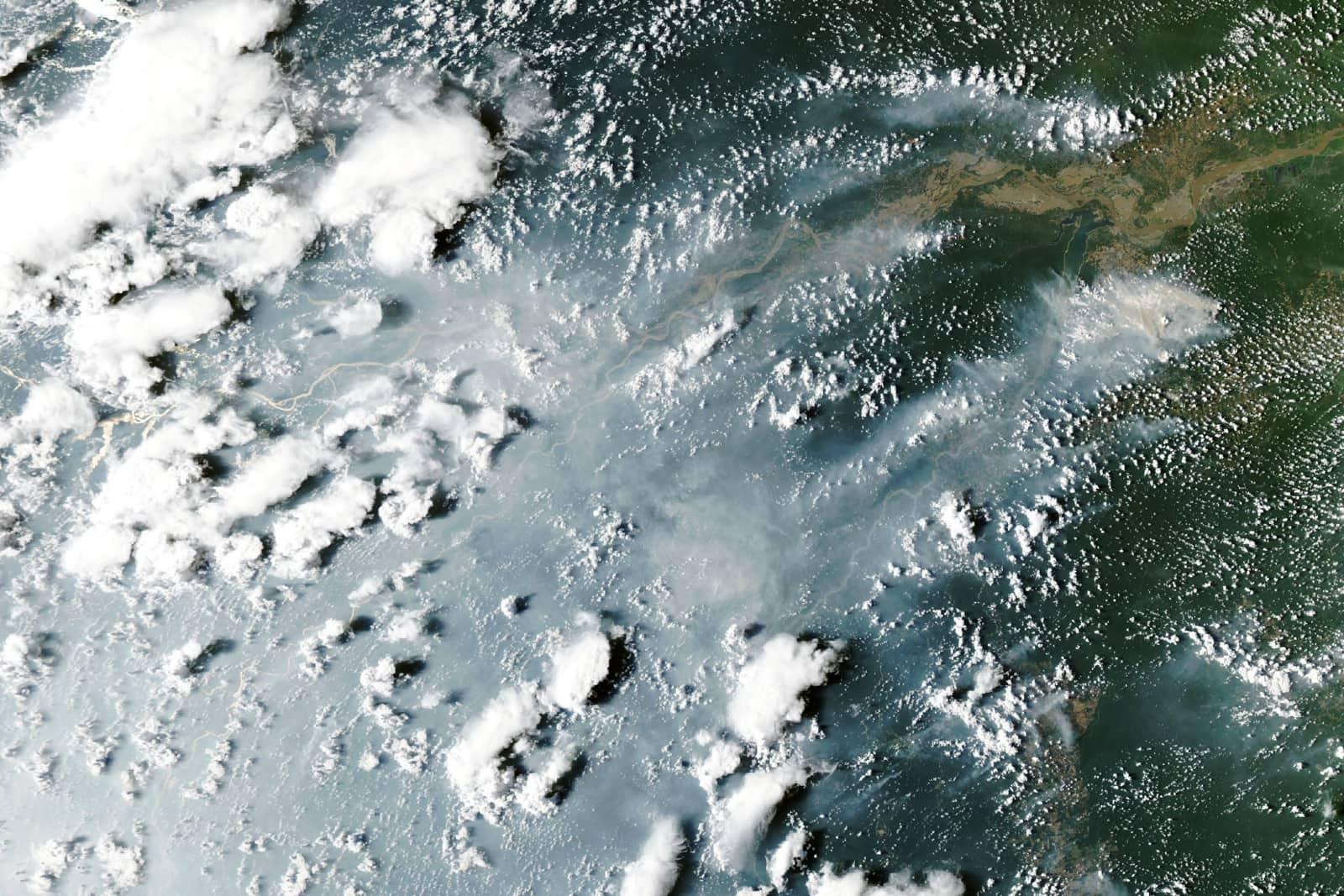
Behind those numbers sits a full chain: optical satellites, detection algorithms, analyst teams, then political decisions and checks on the ground. The summit wants to talk about that chain, not just the sensors. The organizers list illegal deforestation, fires, climate adaptation, precision agriculture, health, education and digital inclusion, all fields where space can help, provided the data reaches the people who decide.
Align, cooperate, design: the toolbox
Three of the summit's themes, Aligning, Cooperating and Designing, raise a question of law and economics. The framework already exists. The 1967 Outer Space Treaty bans any country from claiming space or celestial bodies as its own, and makes states responsible for the activities of their citizens and companies, private ones included. The Committee on the Peaceful Uses of Outer Space (COPUOS), created in 1959, produced the five major space treaties. In 2019 it adopted 21 guidelines for the long-term sustainability of space activities, spread across four chapters.
But those guidelines are voluntary. The summit is therefore looking for more operational tools: risk-based licenses, performance-based regulation, economic incentives, a rethink of insurance and liability, and shared benchmarks for responsible behavior. A risk-based license ties permission to how crowded the target orbit is and to what will happen to the satellite at the end of its life. Performance-based regulation sets the result to reach rather than the technical recipe, for example a maximum time left in orbit after a mission ends. Put plainly, the goal is to make responsible behavior the profitable behavior, instead of counting on goodwill alone.
Cooperation is the other lever. SSA, again, means sharing tracking data, and Latin American countries can join through regional arrangements while speaking with one voice in multilateral forums. The summit also discusses space traffic coordination, or STC, the organization of movements in orbit with common rules on priority and information, the way road traffic needs lanes and a right of way.
One concrete move is expected during the two days: the signing of the Zero Debris Charter, a non-binding, community-driven initiative facilitated by ESA that targets a debris-free future by 2030. Since its publication in 2023, more than 250 organizations from 35 countries have joined. Interested organizations can sign in Brasília during the summit.
The Moon and Mars: rules before footprints
The last of the five themes, Exploring, looks further out, beyond low Earth orbit. Lunar activity is picking up and ambitions for Mars are growing. The summit wants to keep the Moon and Mars from repeating the low-orbit scenario: a space filling up faster than the rules can keep up.
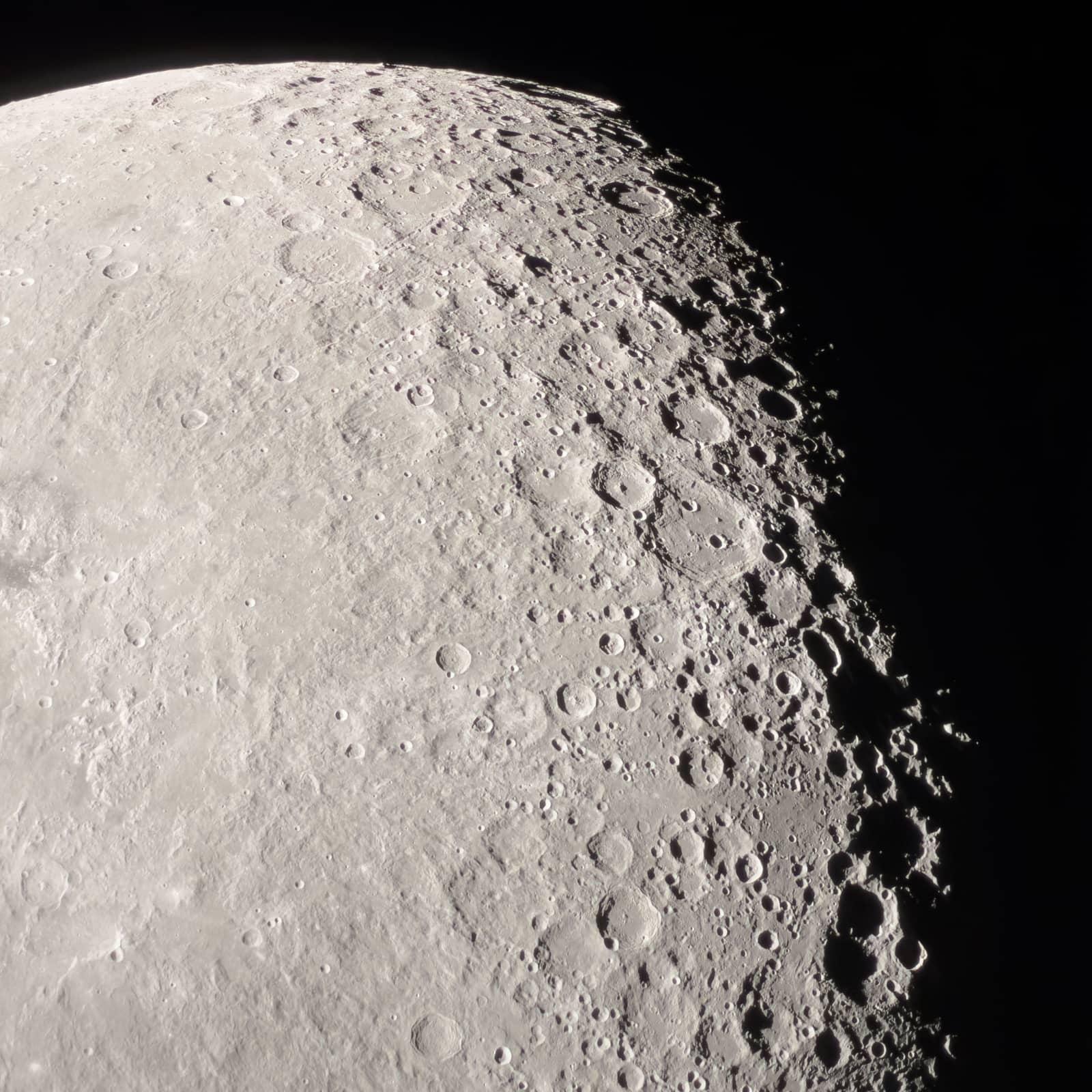
The existing framework rests on the 1967 treaty, completed by non-binding principles. The Artemis Accords, launched in 2020 by NASA with seven other founding countries, are the most visible of those texts. They cover peaceful use, transparency and interoperability, meaning equipment and procedures that work across countries. They also address emergency help for astronauts, publication of scientific data, preservation of space heritage, use of resources, temporary safety zones around landing sites and debris mitigation.
Brazil signed on June 15, 2021, becoming the 12th signatory. As of October 28, 2026, 78 states had joined, with Vietnam the most recent. The accords do not replace existing law. They add detail to it, and they remain voluntary.
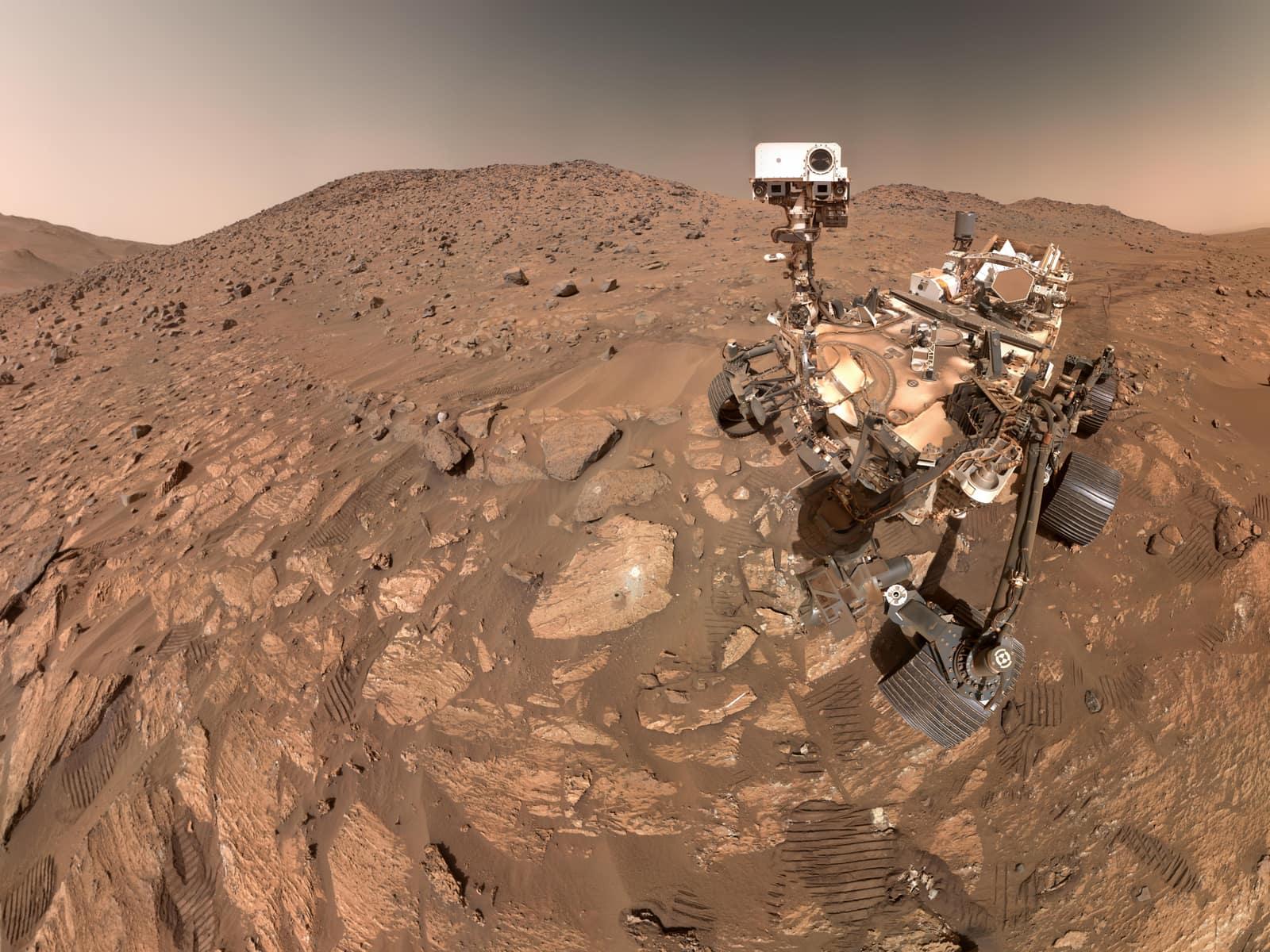
Brazil and the region have no flagship mission to the Moon or Mars, as the summit's site acknowledges. That is no reason to wait. The summit argues for early participation in the rules, with three arguments: scientific expertise, political perspective and diplomatic leadership. The theme itself speaks of "design for sustainability," meaning building missions with their end of life, their debris and their footprint planned from the start.
What the summit wants to leave behind
The organizers announce four families of objectives: a shared regional agenda on sustainability priorities, concrete recommendations for national implementation (licensing, debris mitigation, transparency, data use), leads for cooperation (training, data-sharing frameworks, regional collaboration on SSA and STC), and an approach for sustainable lunar and Martian activity.
The format matters too. The summit is hybrid, with a dedicated app and recorded sessions. Press registration is free, and students and young professionals get 50% off, with a dedicated networking session. For a region joining the debate, the way in is diplomatic as much as generational.
One question will not be settled in two days. Cleaning up is expensive, launching is cheaper, and nobody owns orbit. That is exactly why the debate moves this week to the country that watches the Amazon from space.
Further reading
- The vocabulary of this article: Earth orbit, the Moon and Mars. Each has an entry in the glossary, like the one on Earth orbit.
- The laboratory that dodges debris: the International Space Station, the largest crewed object in orbit.
- The other consequence of a crowded sky: our article on the satellite brightness limit already crossed.
- Satellites that watch the climate: our article on the spacecraft measuring El Niño in 2026.
- Orbital traffic, live: our real-time 3D map and the catalog of tracked spacecraft.
- The official sources for this article: the 8th Summit website, ESA's 2026 Space Environment Report, ESA's space debris figures, INPE's deforestation data and NASA's Artemis Accords page.