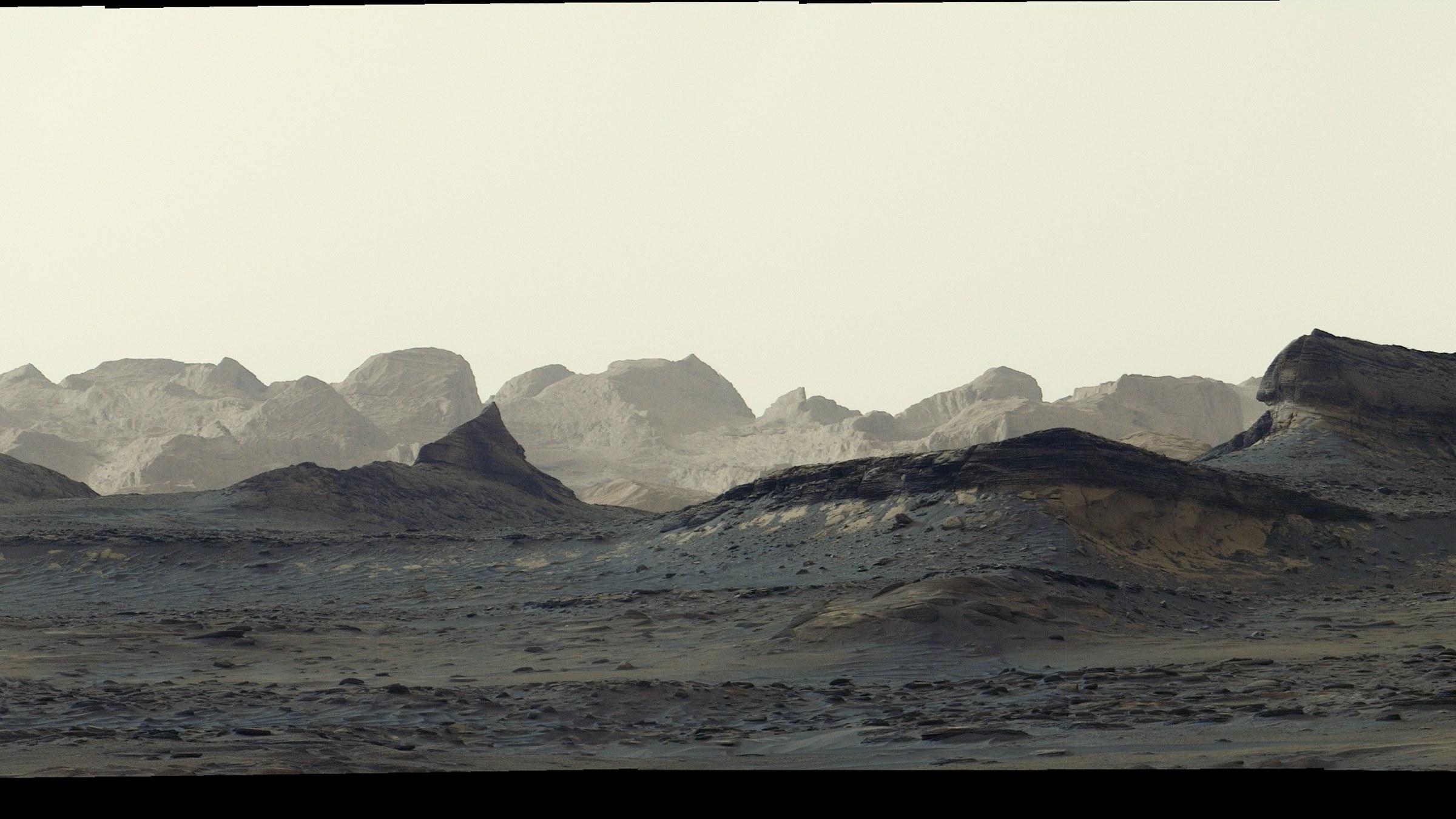
On Aug. 11, 2026, at 8:30 a.m. Mars time, Curiosity turned its cameras toward the horizon and captured a blue dawn over wind-carved cliffs. Stitched together from six images, the panorama is the most detailed view yet of these features, called yardangs. NASA released it on Oct. 6, 2026. Here is what it shows, and why scientists are eager to reach the base of those cliffs.
Dawn in six frames
The rover shot the scene on Aug. 11, 2026, during Sol 4,982, the Martian day that lasts 24 hours and 40 minutes. It was 8:30 a.m., local Mars time. Six Mastcam frames, taken with the pair of color cameras mounted on the rover's head, were stitched together once the files reached Earth. NASA published the result two months later.
The first thing that strikes you is the color. The ground and the horizon are bathed in cold blue. The hour explains it: early in the morning, sunlight skims the landscape and filters through a dust-filled atmosphere, which shifts the tones toward blue. The agency notes that this image was processed without the white balancing usually applied, a choice that preserves exactly that morning feel.
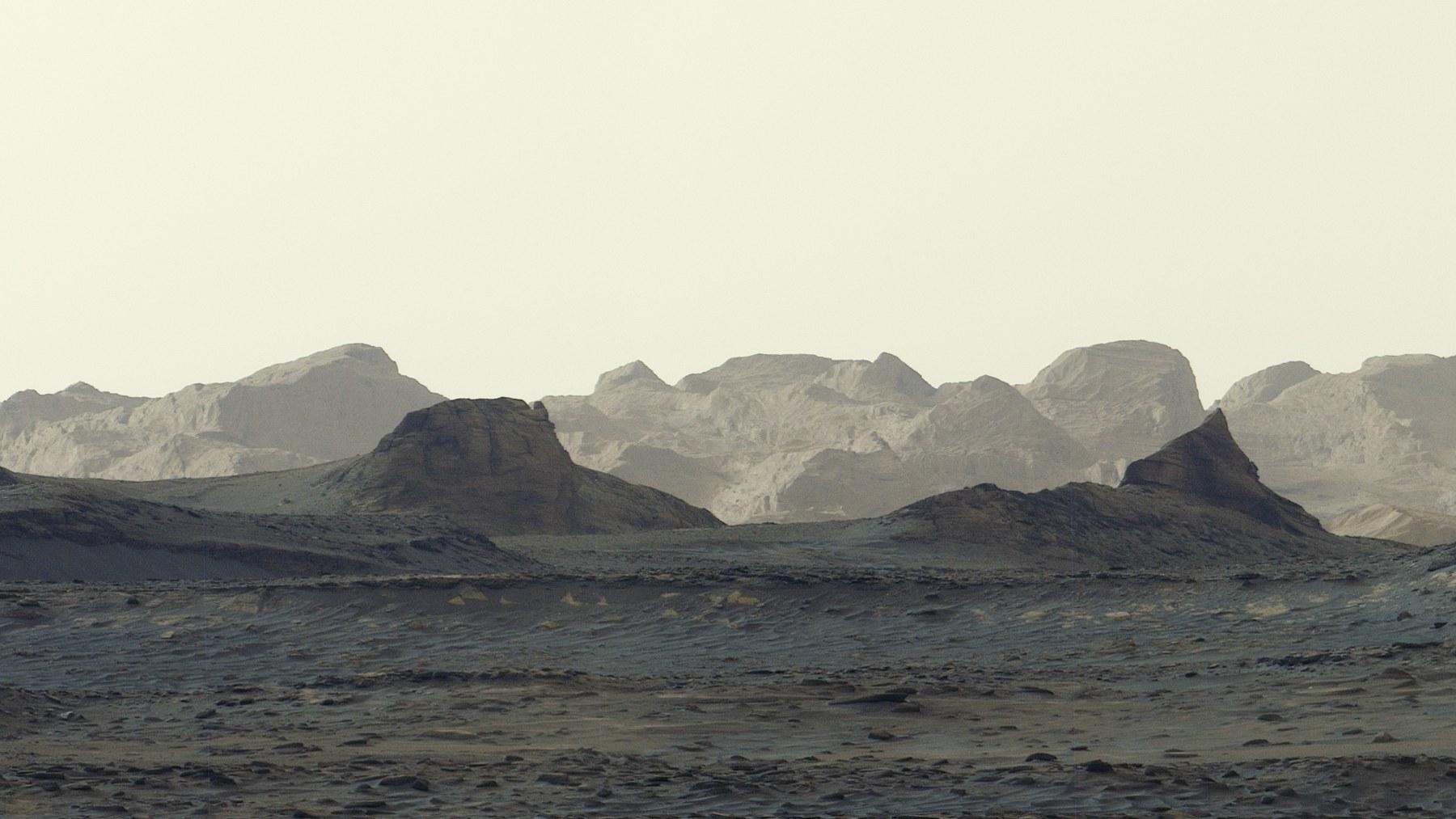
Yardangs line the horizon. The name comes from Turkish and describes ridges of rock sculpted by wind. The image shows them from a distance, in the finest detail obtained since the mission began.
Wind, the patient sculptor
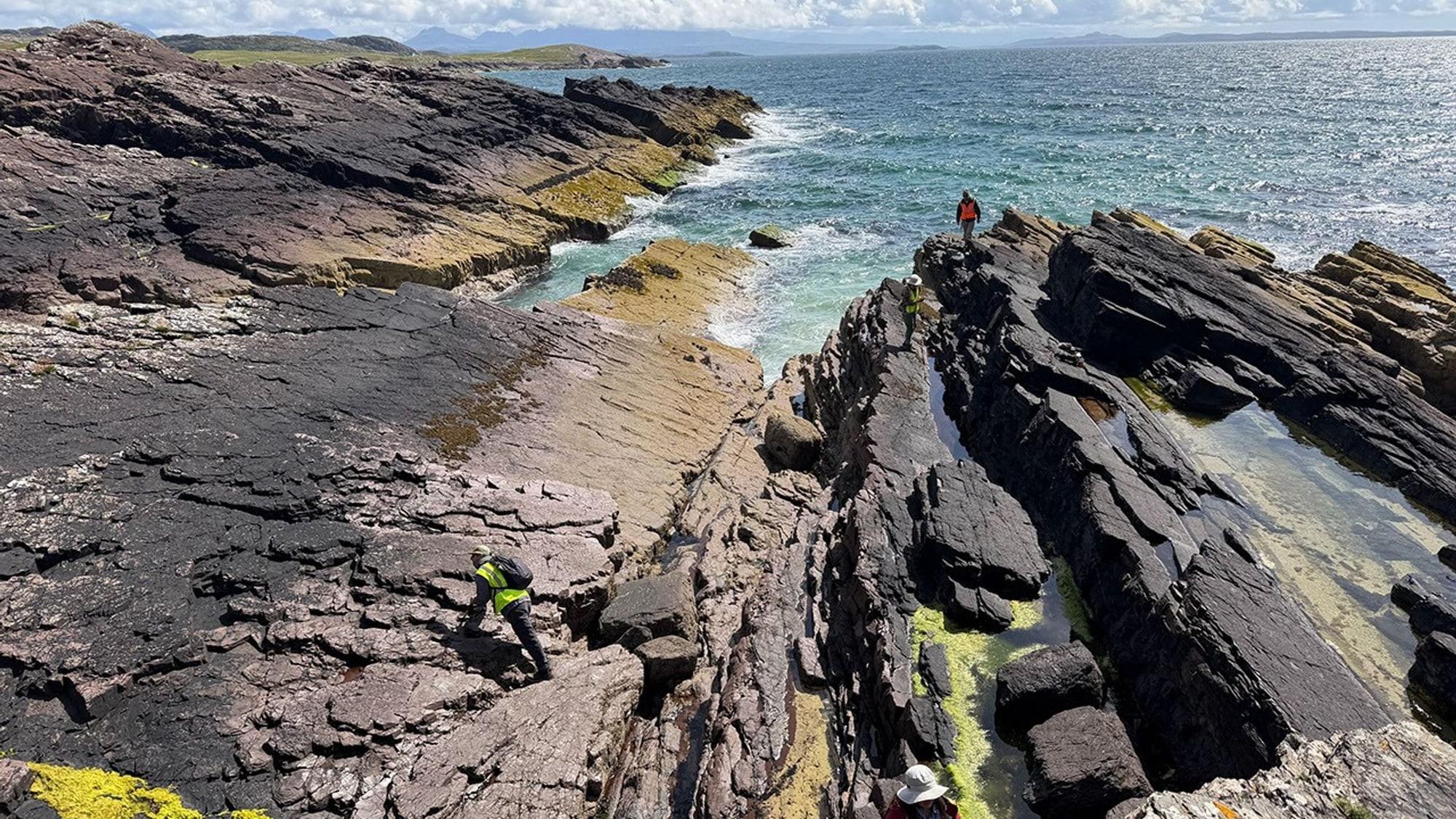
How does a cliff turn into a row of blades? The mechanism is sandblasting. Wind lifts grains of sand that strike the rock the way grit strikes a surface being stripped. Soft rock gives way faster than hard rock. Over time, the fragile parts recede, the resistant parts stay, and all that is left are ridges lined up with the wind.
On Mount Sharp, that work has a history. The mountain is a stack of layers, each recording a distinct chapter of Mars. By reading them, scientists have reconstructed the lakes and rivers that covered this region billions of years ago. Then the water dried up, leaving salts behind. After that, nothing more settled on the mountain. Some layers may then have been stripped away by wind, which is most likely how the yardangs took shape.
A layer like no other
One puzzle remains, and it is a big one. "The yardang layer looks out of place. It's the wrong color, the layers tilt at an odd angle, and it almost appears plastered on," says Ashwin Vasavada, Curiosity project scientist at NASA's Jet Propulsion Laboratory in Southern California. Nobody yet knows what formed it. One idea is circulating among the team: ash from ancient volcanic eruptions, which settled there before the wind carved it.
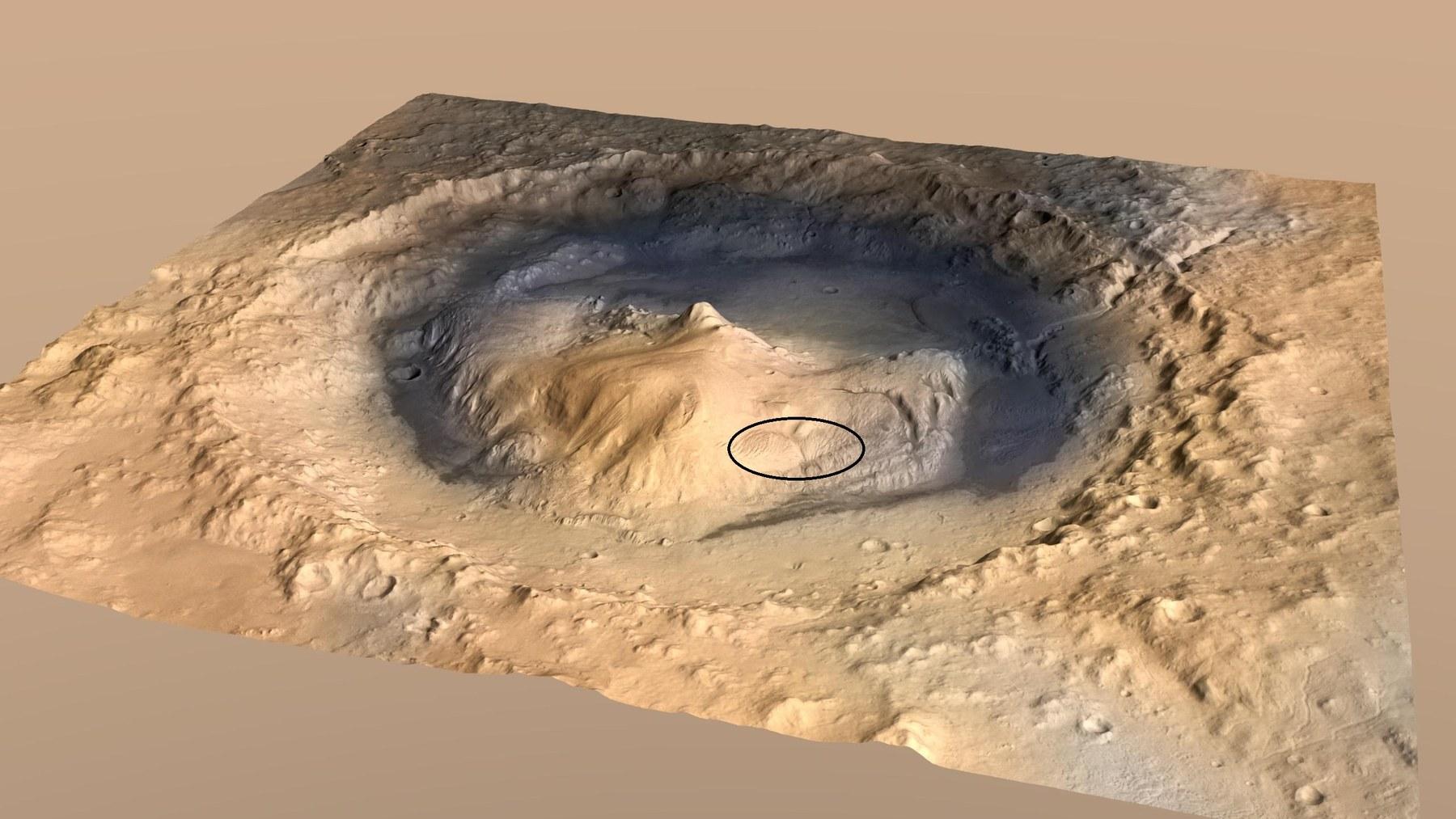
The layer runs for roughly 10 miles (16 kilometers) across the northwestern shoulder of Mount Sharp, a mountain 3 miles (5 kilometers) tall. That is a lot of ground to explore, and it is precisely what makes the prospect exciting.
One kilometer of climb, and a date in 2027
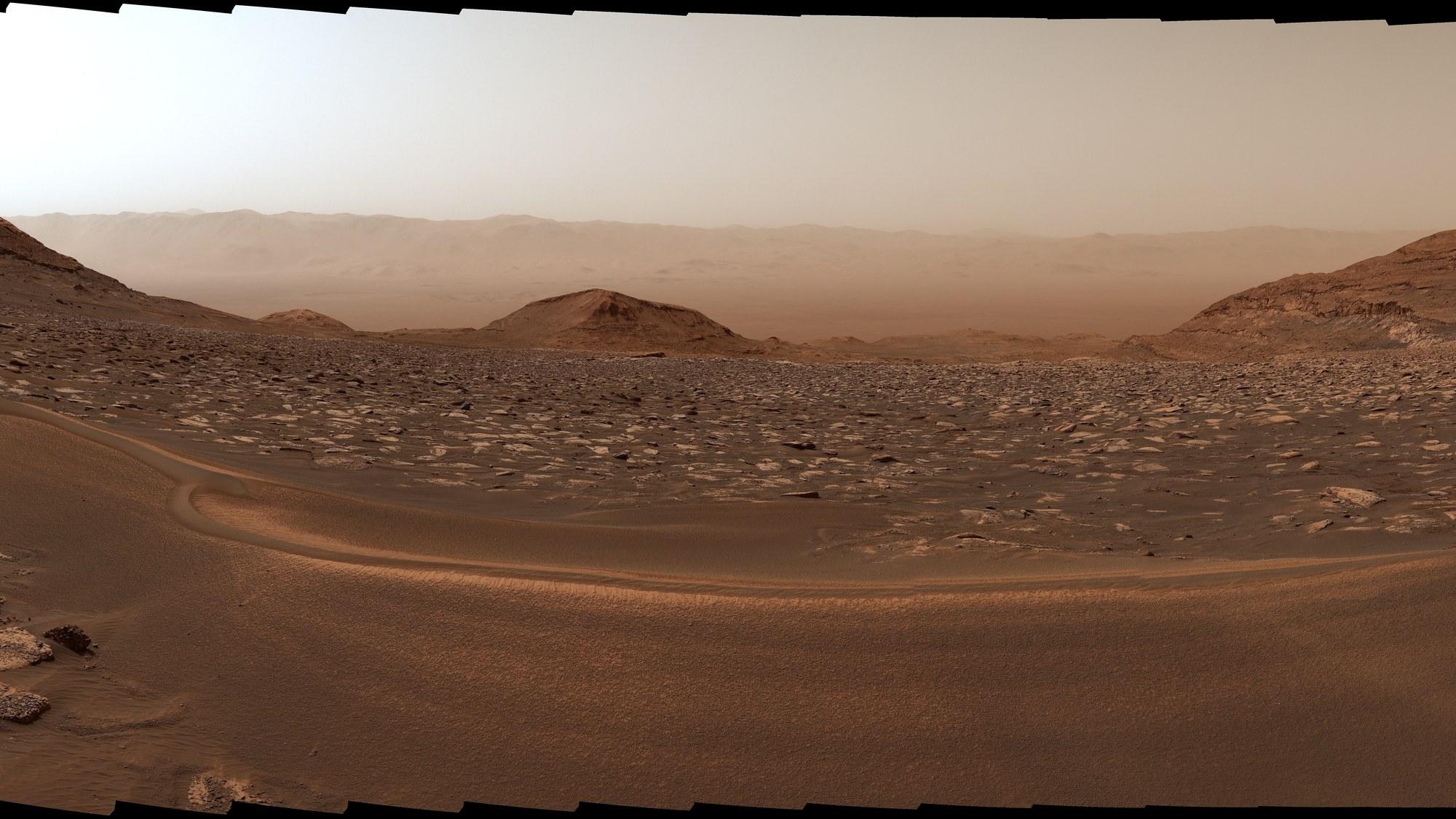
Curiosity has been climbing Mount Sharp since 2014. On Aug. 26, 2026, it passed one kilometer (0.6 miles) of elevation gain above the floor of Gale Crater, more than any rover has achieved on Mars. Nine days later, it turned around to photograph the crater floor, as if to size up the ground it had covered.
The rover is now in the second year of its fifth extended mission, which opened with an exploration of spiderweb-like boxwork ridges, networks of criss-crossing rock ribs. Over the next year or so, it will drive through layers enriched with sulfates and carbonates, two families of salts that form when water evaporates. Those layers record how water slowly disappeared from the Martian surface.
Sometime in 2027, the team hopes to reach the base of the yardangs. There, the robotic arm can study these rocks up close, measure what they are made of and perhaps settle the question of how the layer formed. Fourteen years after arriving in Gale Crater, Curiosity keeps turning the pages of the Red Planet's history, one layer at a time.
Going further
- The mission page of Curiosity, on duty in Gale Crater since August 2012.
- Key notions for this story: Mars and rover in our glossary.
- To explore the sky from home: the interactive sky map, the stargazing guide and the astrophotography gallery.
- The official sources for this article: NASA's release on the Martian dawn and the Mars Science Laboratory mission overview.