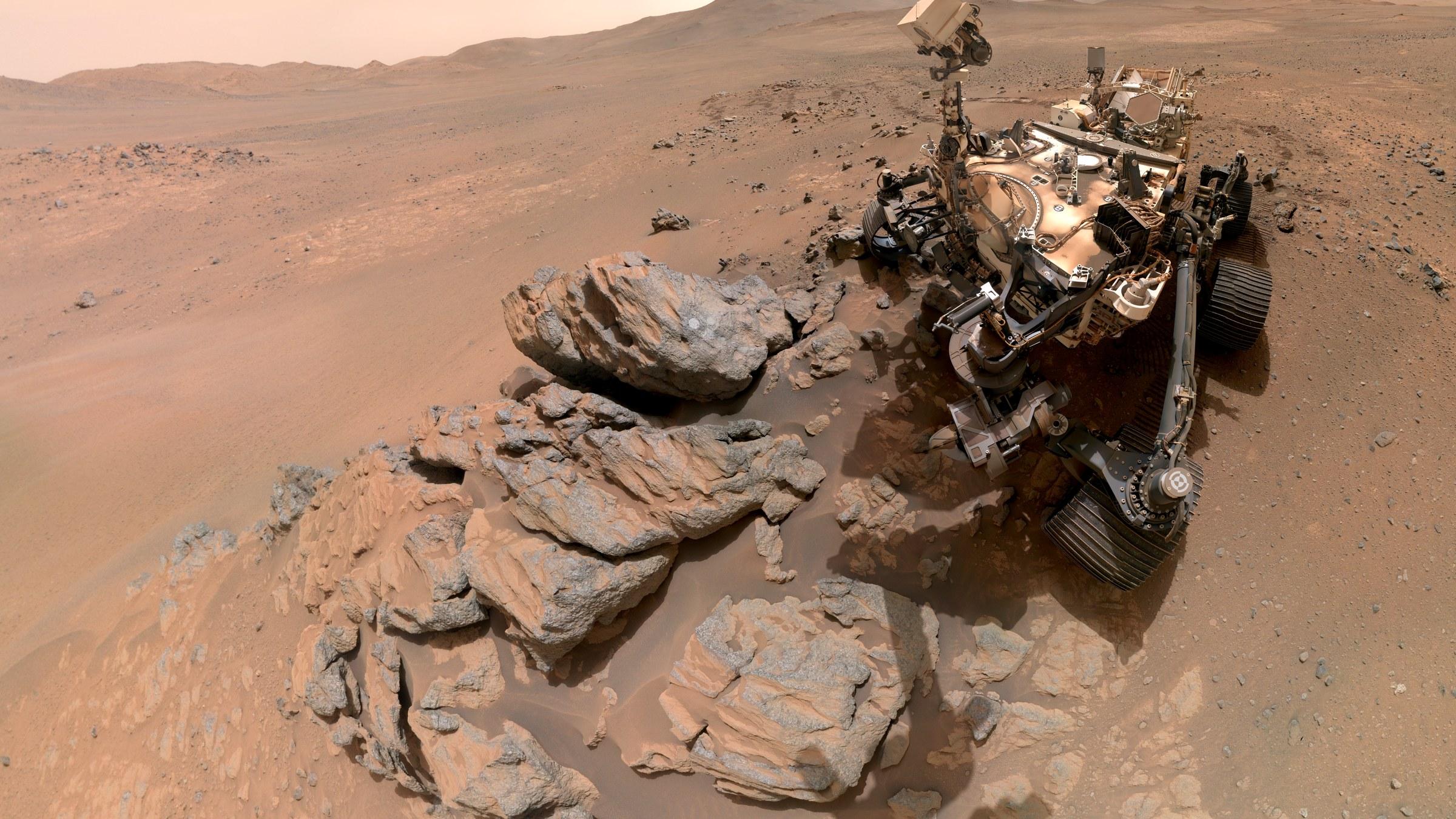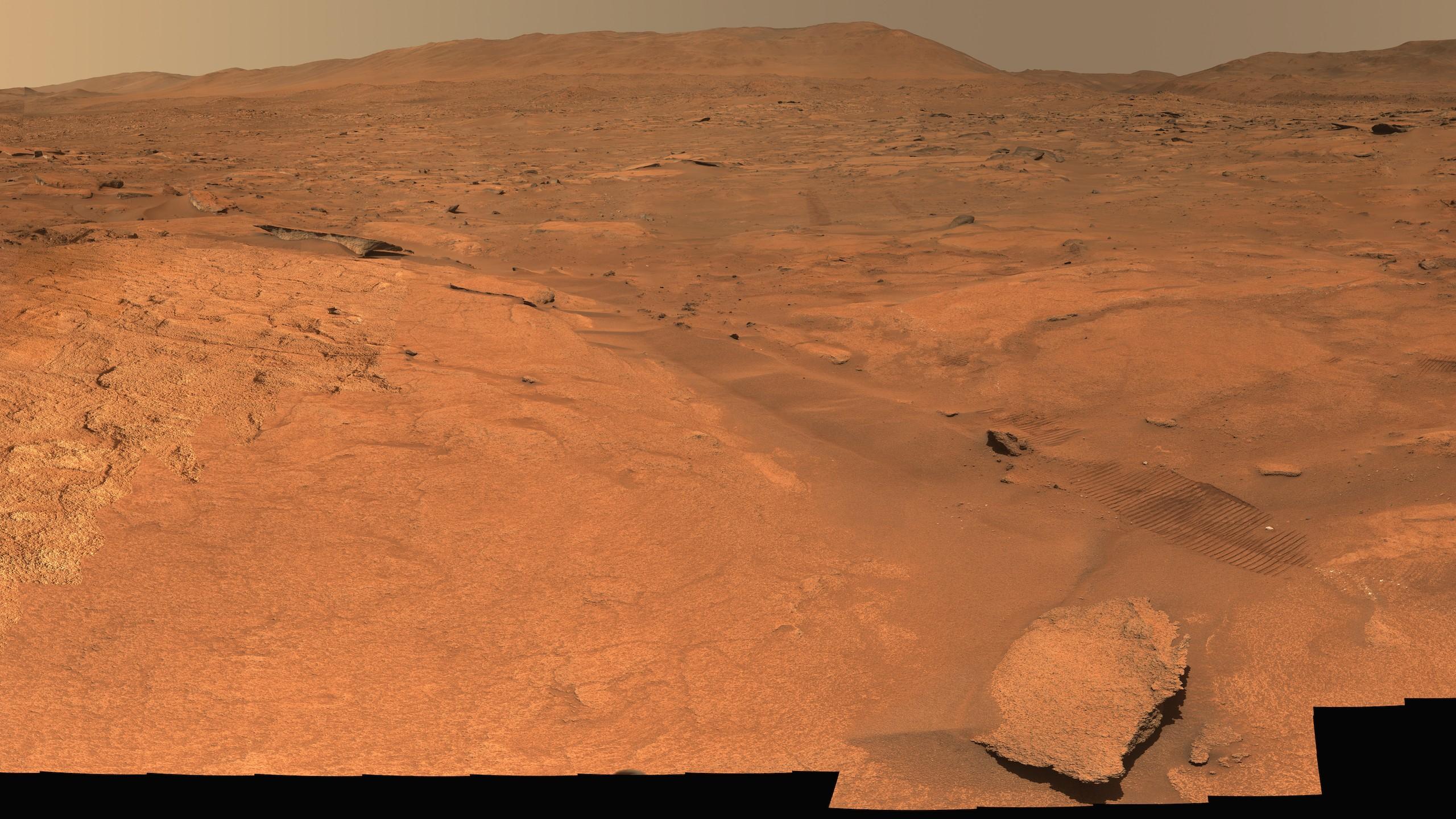
From the surface of Mars, the Perseverance rover has filmed a first: Earth, reduced to a point of light, slipping behind Phobos, the larger of the red planet's two moons. The sequence was captured on July 2, 2026 and released on August 5 by JPL, the NASA center that runs the rover. Here is what the images show, and why this alignment took as much planning as it did luck.
7 p.m., sol 1,907: the alignment nobody had ever seen
On July 2, 2026, at about 7 p.m. local solar time, Perseverance's cameras tilt up toward the sky above Jezero Crater. A Martian day, which NASA engineers call a sol, lasts 24 hours 40 minutes. This was the mission's 1,907th sol, more than five Earth years on site.
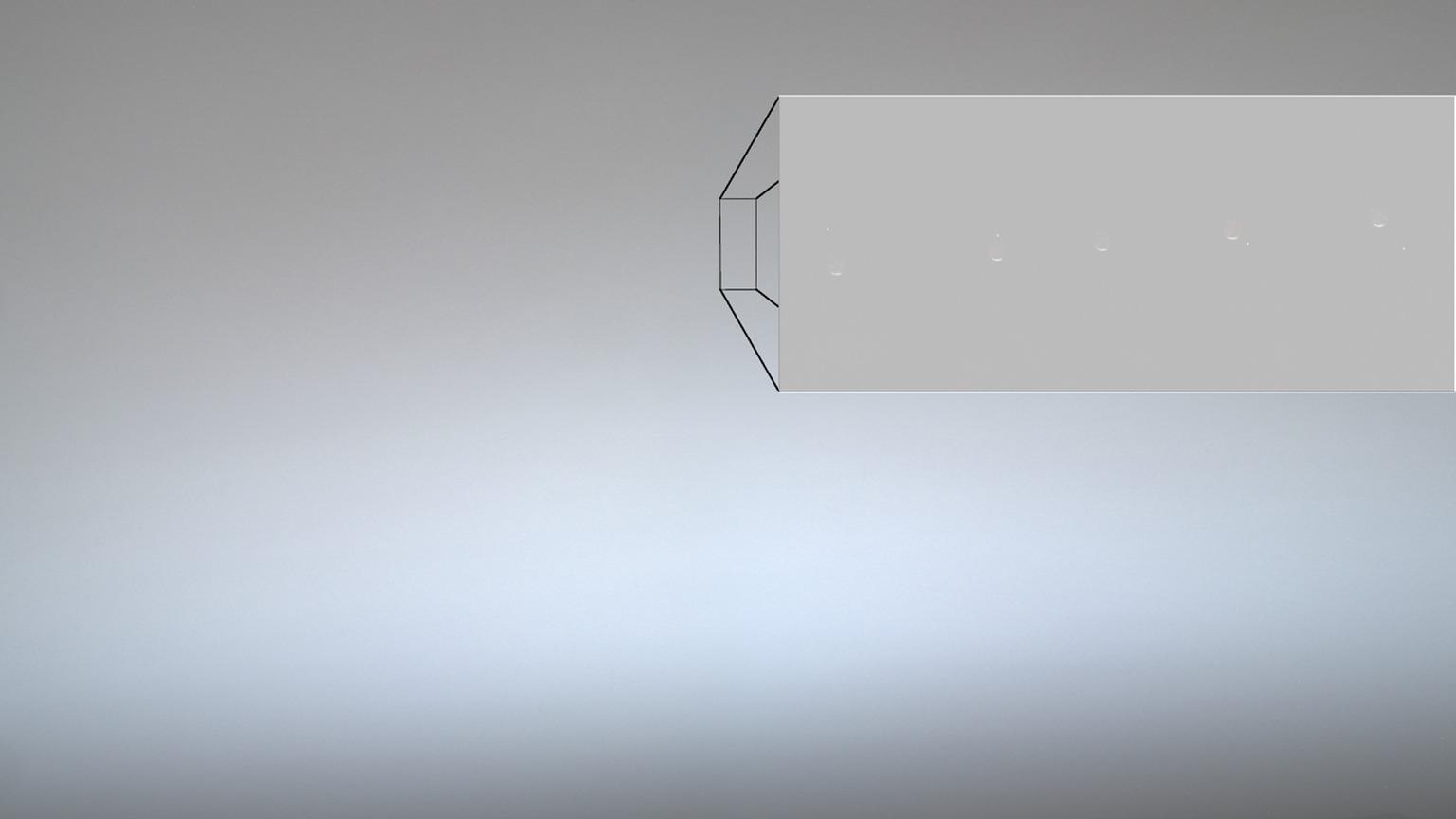
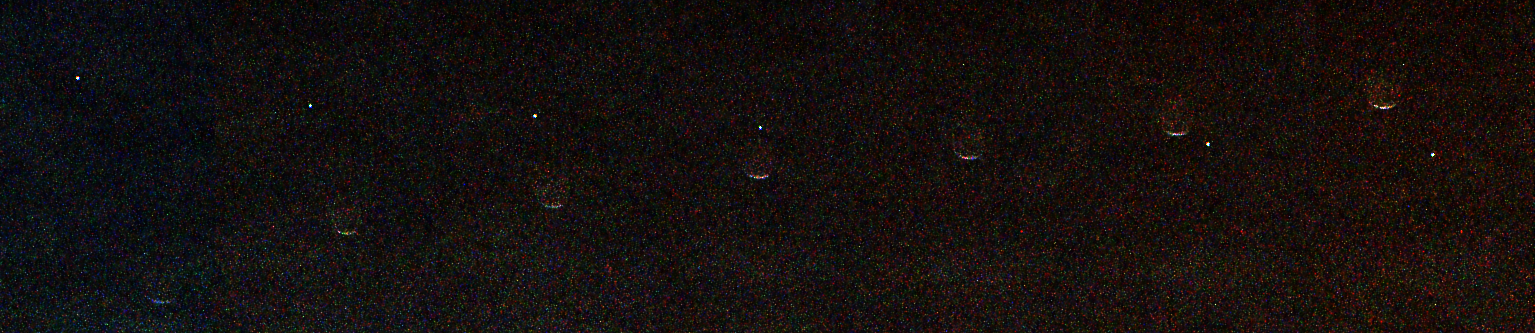
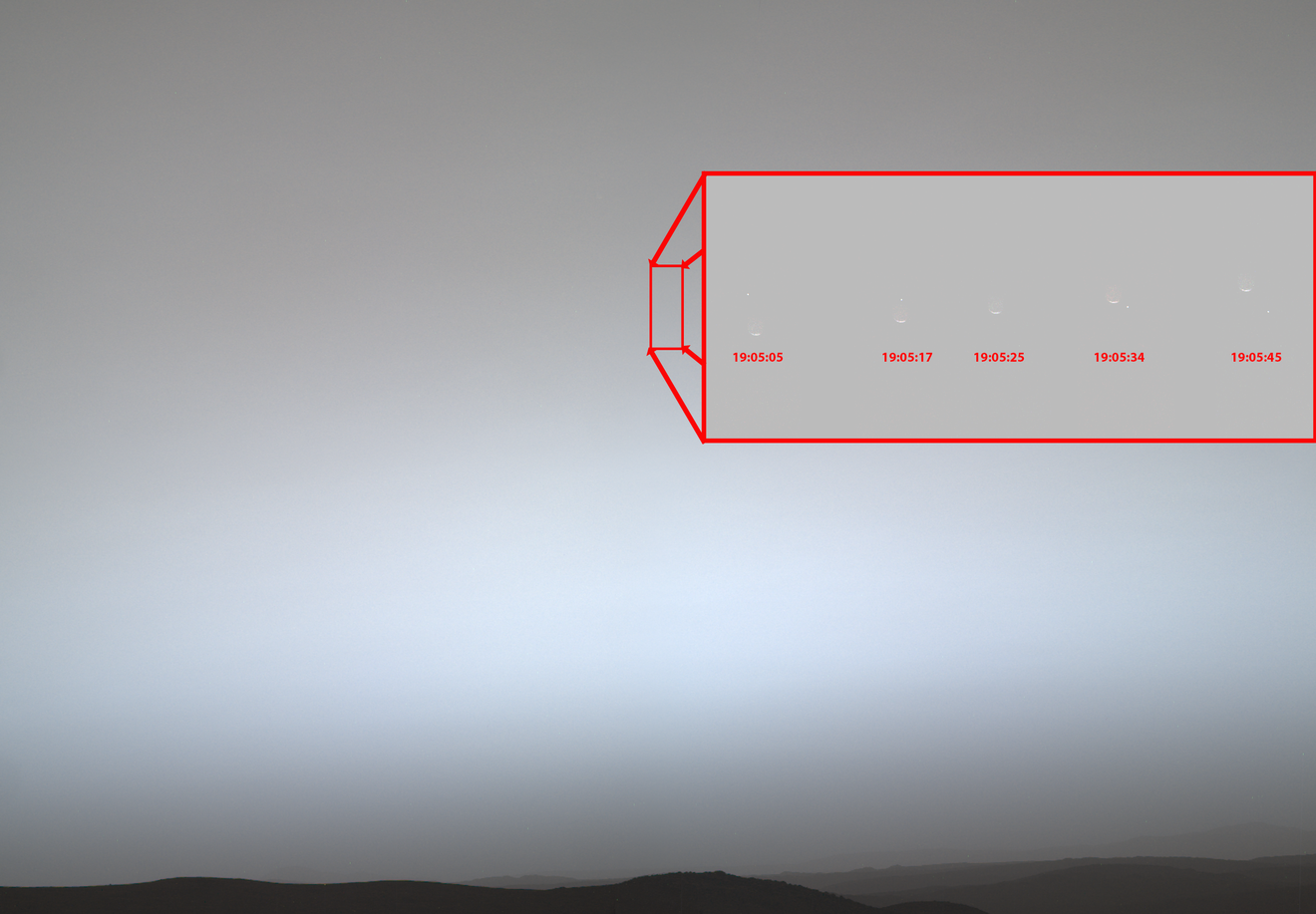
In the sequence, two objects cross paths. Earth, a bright pixel-size dot, glides from the upper left corner toward the lower right. Phobos speeds the other way, from lower left to upper right. On the third frame, the two meet, and our planet blinks out behind the dark edge of Phobos's crescent, before reappearing on the other side.
The image is a composite, meaning an assembly of successive shots, here seven frames taken by Mastcam-Z, the color camera pair at the head of the rover. Justin Maki, one of the camera leads at the Jet Propulsion Laboratory, calls it "a unique Earth self-portrait, taken from the surface of another planet, with a Phobos photobomb."
This is the first time humanity has captured, from the surface of another planet, the sight of an object hiding Earth.
Phobos, the potato moon that laps the sky three times a day
Phobos looks nothing like our Moon. It is a 27-kilometer-wide potato, pocked with craters, orbiting 7,800 kilometers above Mars, closer to its planet than any other moon in the solar system. And it moves fast: a full lap takes 7 hours 39 minutes, three crossings of the sky per Martian day. NASA notes that it rises in the west, because it travels faster than Mars itself rotates.
Mark Lemmon, of the Space Science Institute in Colorado, planned the observation and assembled the image. "Phobos crosses the Martian sky three times a day, and Earth is visible for months at a stretch, but catching one directly behind the other takes planning and a little luck," he sums up.
The idea clicks with a simple mental picture. Earth, nearly motionless in the Martian sky, plays the distant mountain. Phobos is the car lapping the sky's highway three times a day. All you need is to compute the exact hour the car will pass dead in front of the mountain, then fire the camera at the right moment.
Occultation, eclipse, transit: the vocabulary of passages
Astronomers call what Perseverance saw an occultation. The word means: from a specific viewing spot, a larger-appearing body completely hides an object placed behind it. An eclipse is a different thing: an object moves into the shadow of another, like our Moon when it crosses Earth's shadow, which we call a lunar eclipse. A transit, finally, is a smaller-appearing object crossing the face of a larger one.
Perseverance knows transits well. The rover has already filmed Phobos and Deimos, Mars's second moon, crossing the Sun, miniature "Martian solar eclipses" in which the potato moon slides across the solar disk.
One pixel for Earth: what this portrait tells us
314 million kilometers. That is the distance separating Earth from Mars when the images were taken, enough to shrink our planet to a single pixel, the smallest dot a digital image can hold.
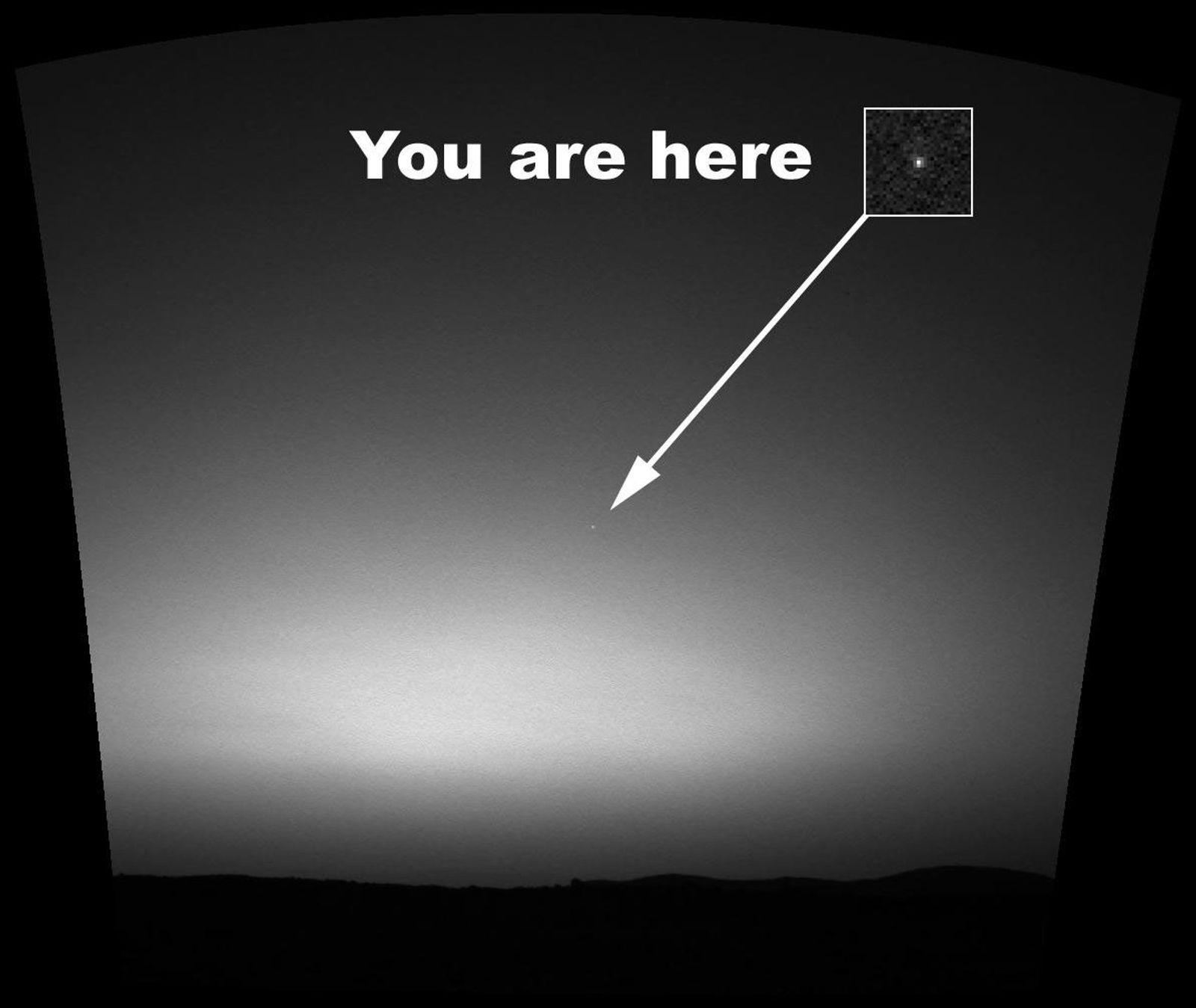
Earth had been photographed from Mars before. The Spirit rover took the first one on March 8, 2004, an hour before sunrise: Earth showed up as a bright star. In January 2014, the Curiosity rover retraced the portrait, with the Moon in the same frame. What is new this time is the motion: for the first time, we watch our living planet crossed by a foreign moon, switched off then back on.
The image also shows how apparent sizes play tricks. From the rim of Jezero Crater, Phobos appears about one-third the width of our Moon as seen from Earth. In other words, a 27-kilometer rock can hide an entire planet: it only has to pass in front. That is all an occultation is, an effect of perspective, nothing more.
Going further
- The mission page of Perseverance, stationed on the rim of Jezero Crater since February 2021.
- Key concepts: Mars and eclipse in our glossary.
- To observe the sky from home: the interactive sky map, the observing guide and the astrophotography gallery.
- Official sources for this article: the Jet Propulsion Laboratory press release, the NASA page on Phobos's orbit and the record of the first image of Earth from Mars.