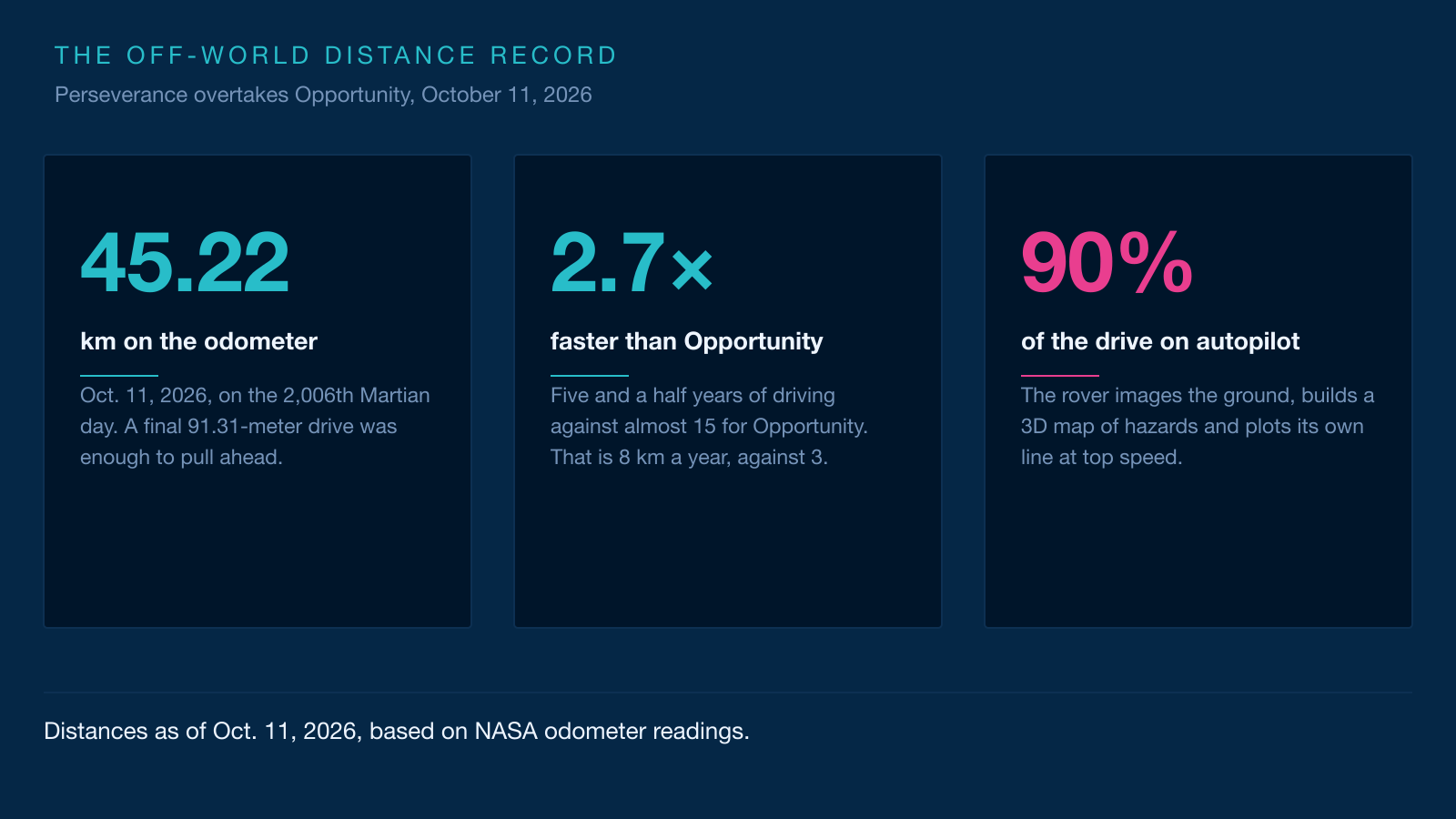
45.22 km on the odometer. On Oct. 11, 2026, NASA's Perseverance rover rolled 60 metres past the distance record set by its predecessor Opportunity, a mark that had stood for eight years. On Mars, and on any world other than Earth, no vehicle had ever driven farther.
A record set on the 2,006th Martian day
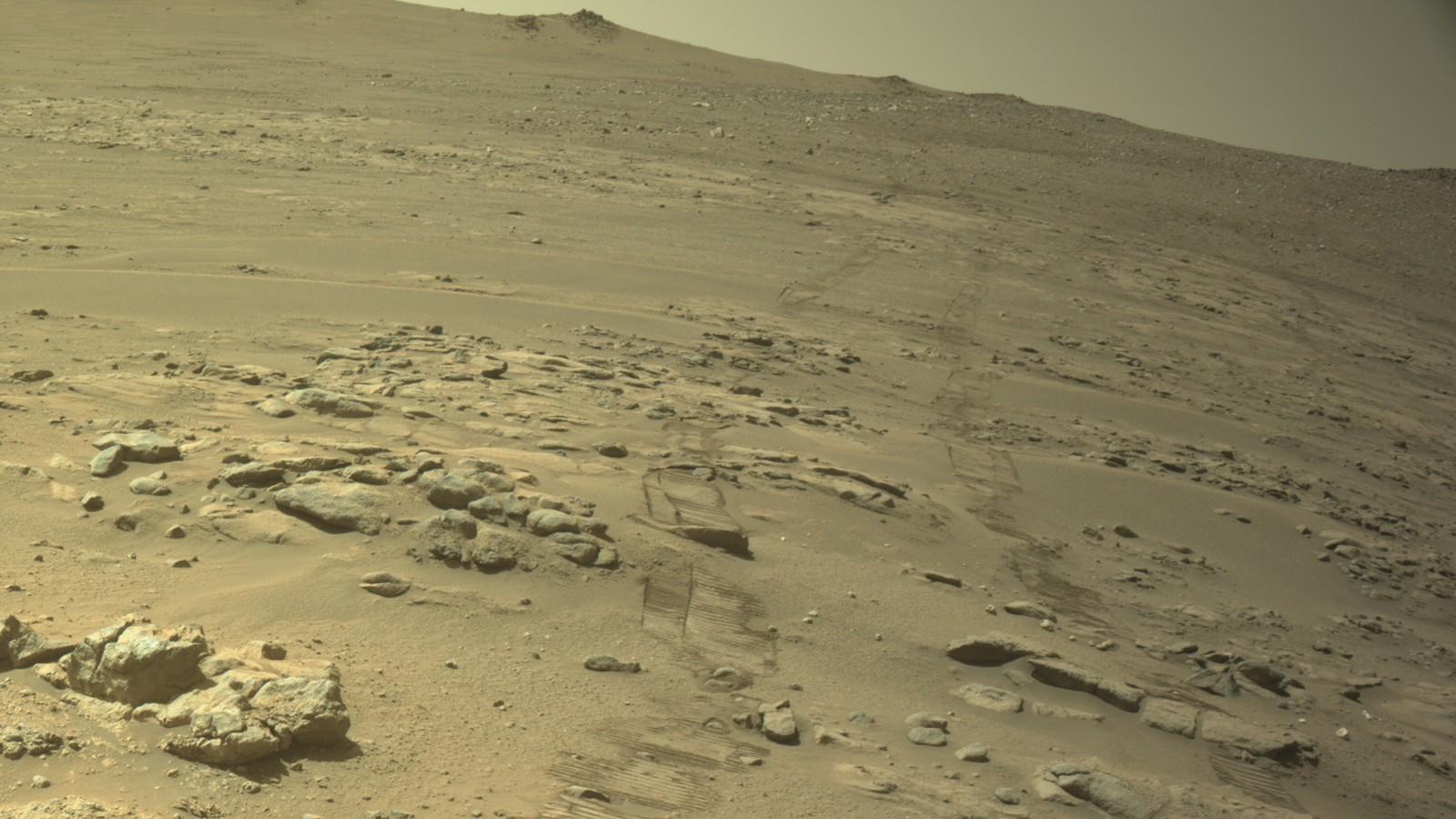
The exact number is 45.22 km, or 28.10 miles. It landed on the 2,006th Martian day of the mission. A Martian day, which the teams call a sol, runs 24 hours and 40 minutes. The final leg was a short 91.31-metre (299.6-foot) drive, just enough to cross the line.
Ahead sat Opportunity. That rover, Spirit's twin, landed in 2004 and explored Mars for almost 15 years. Its odometer stopped at 45.16 km, or 28.06 miles, in 2018. Sixty metres separate the two machines.
The difference in time tells the story better. Perseverance needed five and a half years to reach the distance Opportunity took almost 15 years to cover. Spread across the calendar, that is about 8 km a year, against 3 km a year for the older rover.
A rover that picks its own route
To see what changed, look at how a rover moves.
For years, a machine like Opportunity advanced in short hops. Engineers studied an image sent back from Mars, picked a stopping point a few dozen centimetres away, then sent the command. Every step cost a round trip to Earth, and the rover waited in the meantime.
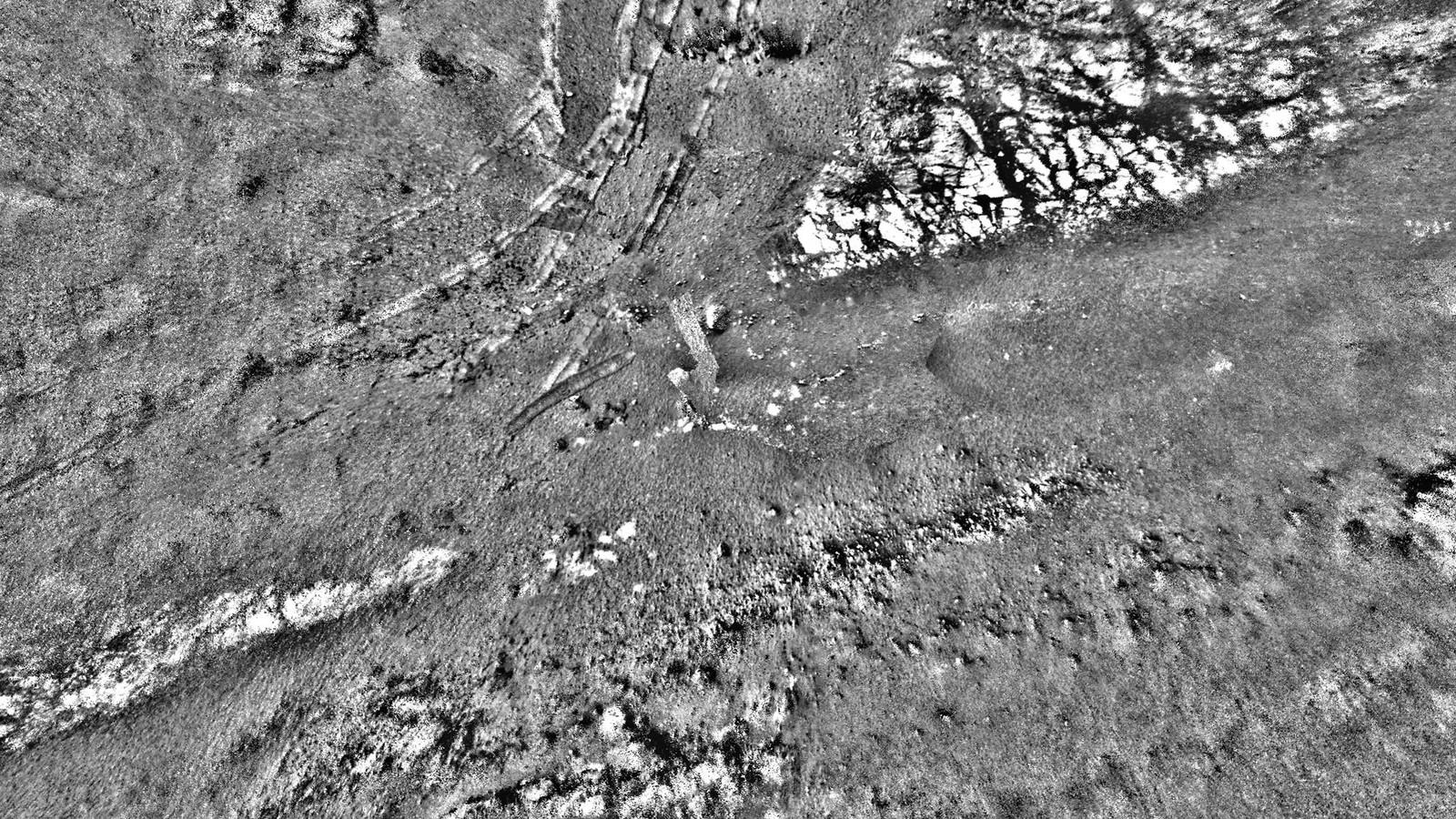
Perseverance turned that upside down. Its autonomy software, named AutoNav, does three things while rolling. It images the ground ahead. It turns those pictures into a 3D map where every rock becomes a logged obstacle. Then it plots its own line between waypoints chosen by operators back on Earth. The team calls it "thinking while driving."
The clearest comparison is a driver with both hands on the wheel. Nobody dictates every turn anymore. The rover is handed the name of the next stop, and it works out the route alone.
So the rover travels at or near top speed. Its best sol covered 412 metres (1,351 feet) in one stretch. And autonomy is not a comfort feature: more than 90% of those 45.22 km were driven this way, against roughly 5% for the first AutoNav on Opportunity and Spirit.
The leap also shows up in how much the rover checks before it moves. Sojourner, NASA's first Mars rover, assessed the path ahead with 20 measurement points. Perseverance processes 600,000 with every look.
"The rover that broke this record did so by making its own decisions about the path," said Mark Maimone, deputy team chief for robotic operations on Perseverance at NASA's Jet Propulsion Laboratory. "Our newest software teaches Perseverance to steer less and roll more, and to check its own position against orbital maps mid-drive. The next frontier is sunlight itself."
Thirty years of rovers, five odometers to compare
Perseverance's record caps nearly three decades of Mars rovers, each one driving farther and more capably than the last.
- Sojourner (1997): about 100 metres (330 feet), across an 83-sol mission.
- Spirit (2004-2010): 7.7 km (4.8 miles), before it bogged down and succumbed to the Martian winter.
- Opportunity (2004-2018): 45.16 km (28.06 miles), and the first extraterrestrial marathon, completed in 2015.
- Curiosity (2012-): 38.07 km (23.65 miles), still working in Gale Crater.
- Perseverance (2021-): 45.22 km (28.10 miles), and still counting.
The record was not only a Mars one, either. Before passing Opportunity, Perseverance had already erased the tracks left on the Moon. Apollo 17 astronauts Eugene Cernan and Harrison Schmitt covered 35.7 km (22.2 miles) in 1972 in their lunar rover. The Soviet rover Lunokhod 2 did better in 1973, with 39 km (24.2 miles). Both are now behind.
What the record actually changes
Driving fast and far is not a goal in itself. It is a way to reach more ground, and therefore more chances to read the history of Mars.
Take the numbers first. The team notes the original mission called for no more than 12.4 miles (about 20 km) of driving. The rover has more than doubled that contract. And it shows no sign of fatigue: Steven Lee, project manager for the Curiosity and Perseverance rovers at JPL, points out that all mobility systems are fully operational.
"It is an honor to be working on Perseverance at a moment when the technology has evolved to the point that drives like these are routine," he said. "The original mission called for no more than 12.4 miles of driving. We've blown well past that, and with all mobility systems fully operational and favorable extended-ground-life test results, we expect Perseverance to keep adding to this record for many years to come."
What is that endurance for, in practice? Reaching rocks nobody would otherwise see. The rover's reach carried it from an ancient lakebed to a fossilised river system, where it found a possible biosignature in a rock nicknamed Cheyava Falls, and then up to the crater rim. There, a very different kind of habitat may be waiting: a hydrothermal one.
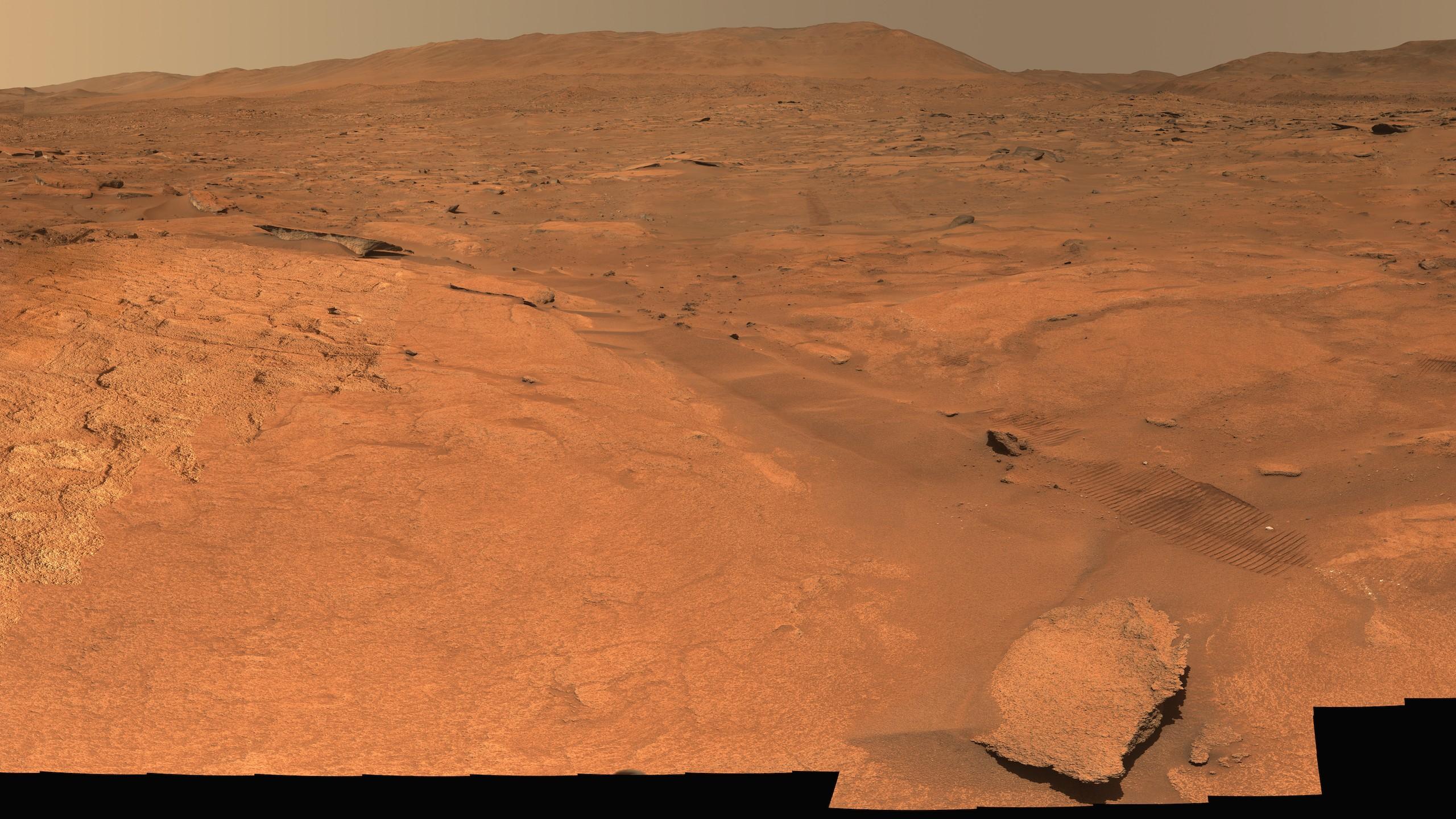
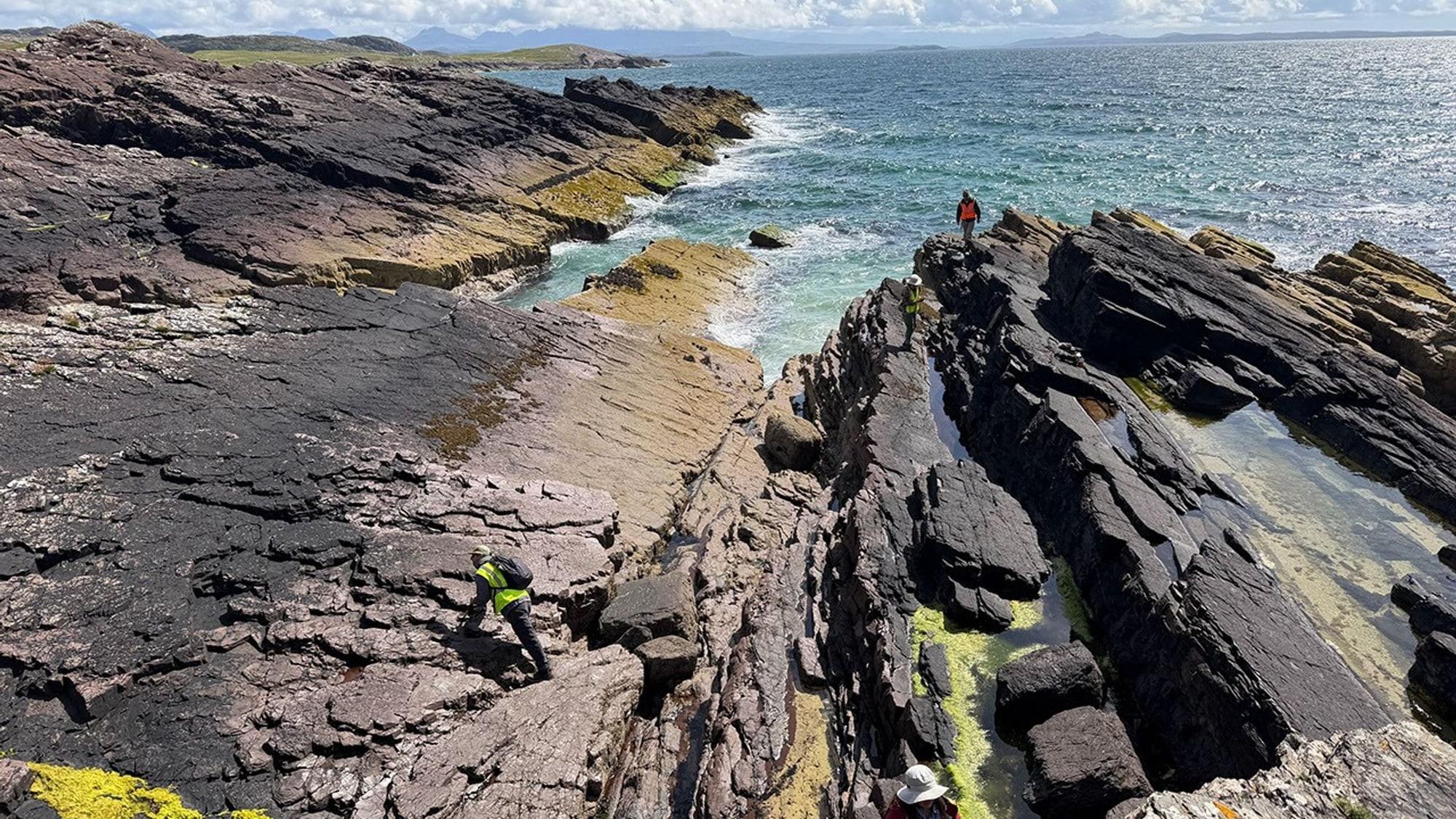
That is exactly what it is exploring now. The record fell while Perseverance was crossing Lac de Charmes, an area just off the western rim of Jezero Crater, on its way to a spot nicknamed Idubi. These rocks rank among the oldest ever approached in the solar system. Their Earthly equivalents are long gone, erased by erosion and plate tectonics. Mars has no tectonic plates, so its archive stayed put.
And what is the team hunting for at Idubi? Traces of ancient hydrothermal systems, the hot-water circulations that on Earth count among the most welcoming environments for microbial life.
The rover also has plenty of work left. It has collected 29 rock and regolith samples, from the crater floor to the delta and now the crater rim, where it is studying impact-generated rocks some 4 billion years old. NASA recently approved the mission's first extension, which began in October and will carry the rover's exploration of the crater rim through roughly the end of 2028.
After Lac de Charmes, Perseverance will continue along the rim, then turn south during the extended mission. Its next big target has the name of a waterfall: Rainbow Falls, a 100-metre-wide (328-foot-wide) block of ancient crust uplifted by the impact that carved Jezero billions of years ago.
Going further
- The mission page for Perseverance, on station at the rim of Jezero Crater since February 2021, and for Curiosity, the other rover still active on Mars.
- The key concepts: Mars and the rover in our glossary.
- Our tools: the interactive sky map, the observing guide and the astrophotography gallery.
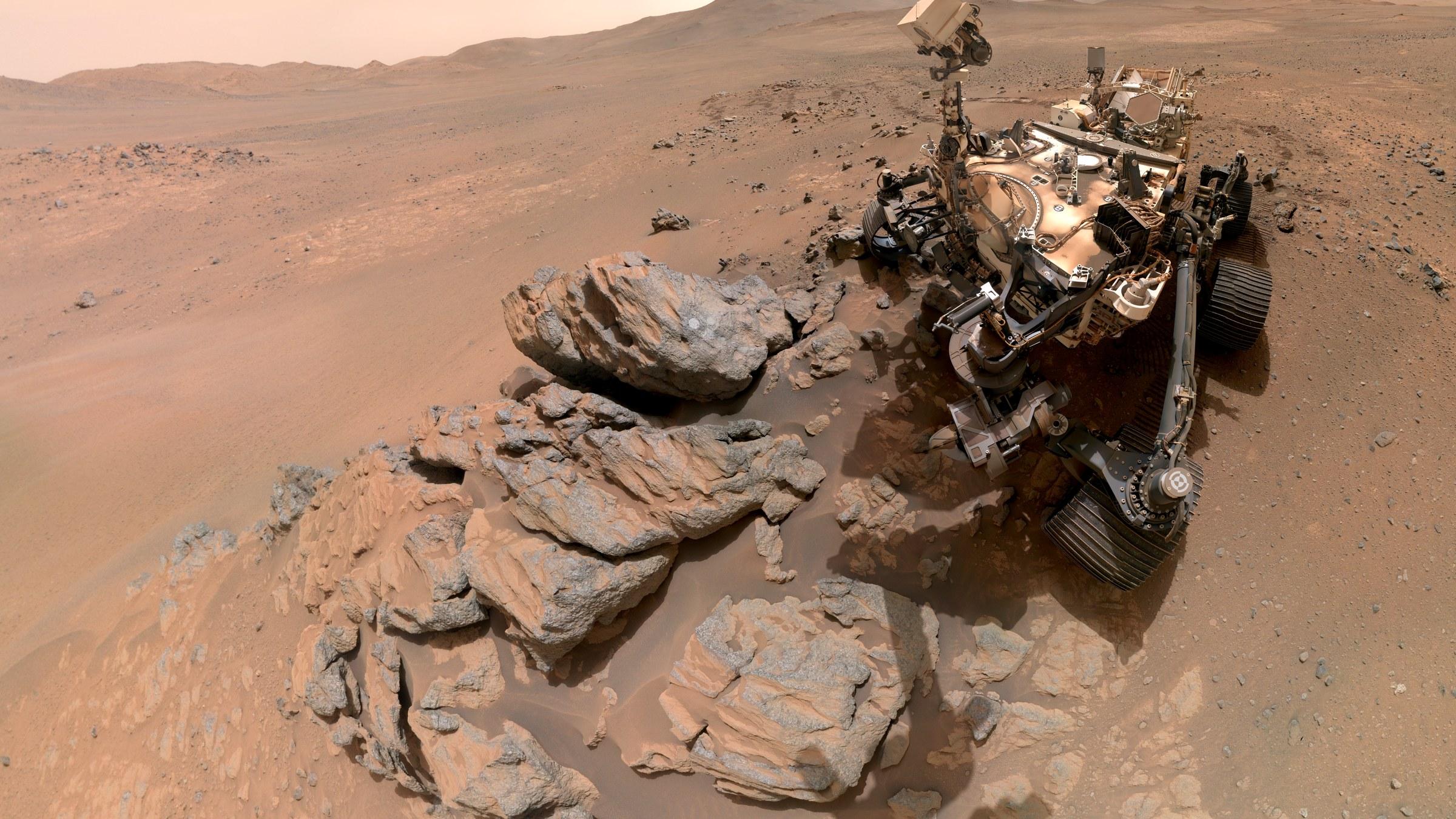
- The official sources for this article: the NASA release, which publishes the Oct. 11 view from a navigation camera, the NASA Mars post of Oct. 12, 2026, the record route animation published by the Jet Propulsion Laboratory, the Lac de Charmes self-portrait and the panorama towards Lac de Charmes.