27 tiny worlds of ice have just been found beyond Neptune, among the faintest objects ever observed. Published on September 8, 2026 in The Astronomical Journal, two studies carry a surprise: these icy relics have kept the colors they were born with, more than 4.5 billion years ago.
Here is what the Hubble and Webb pairing just revealed, and why it shakes up our models of how planets get built.
27 points of light, one like fireflies on the Moon
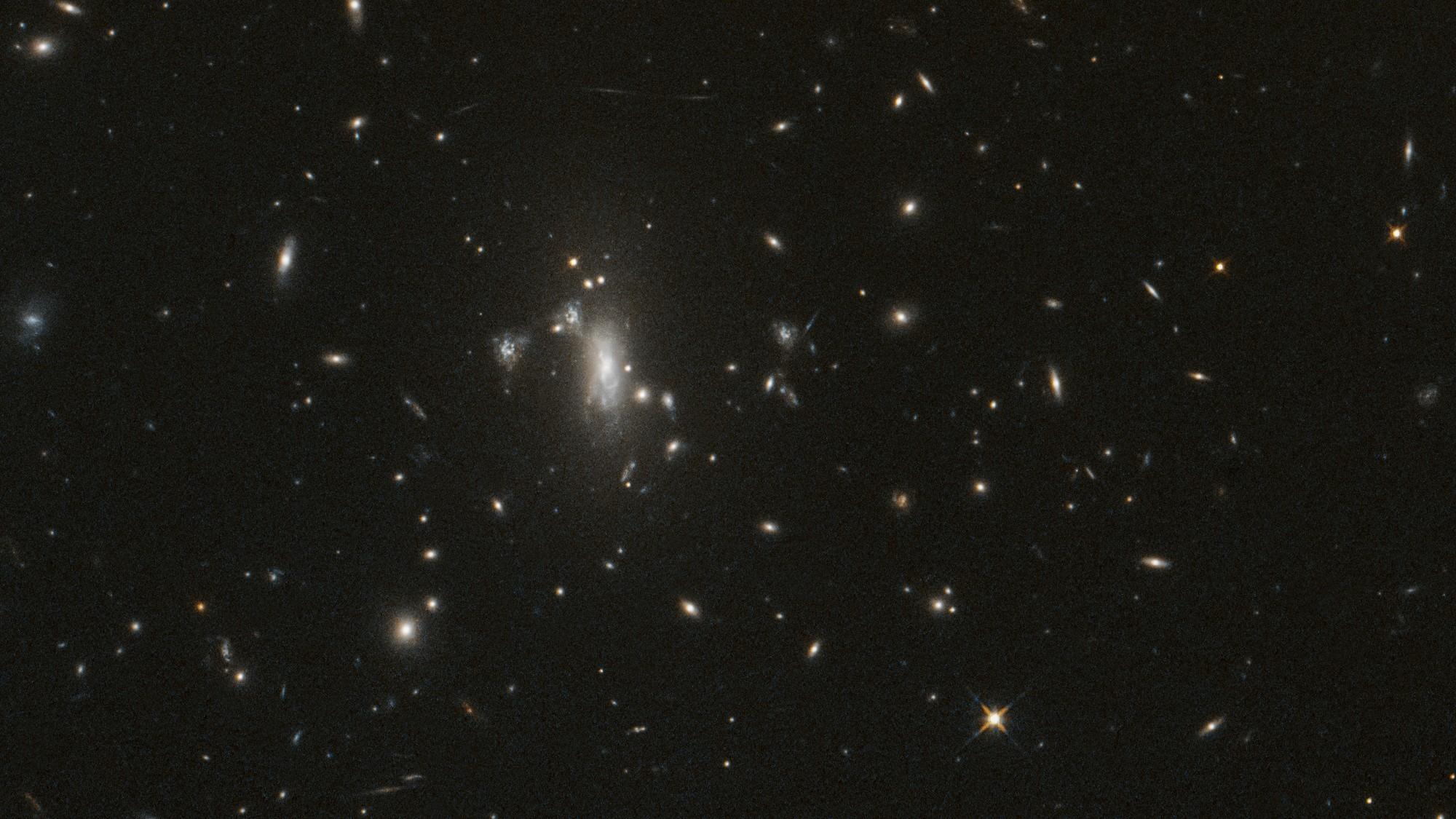
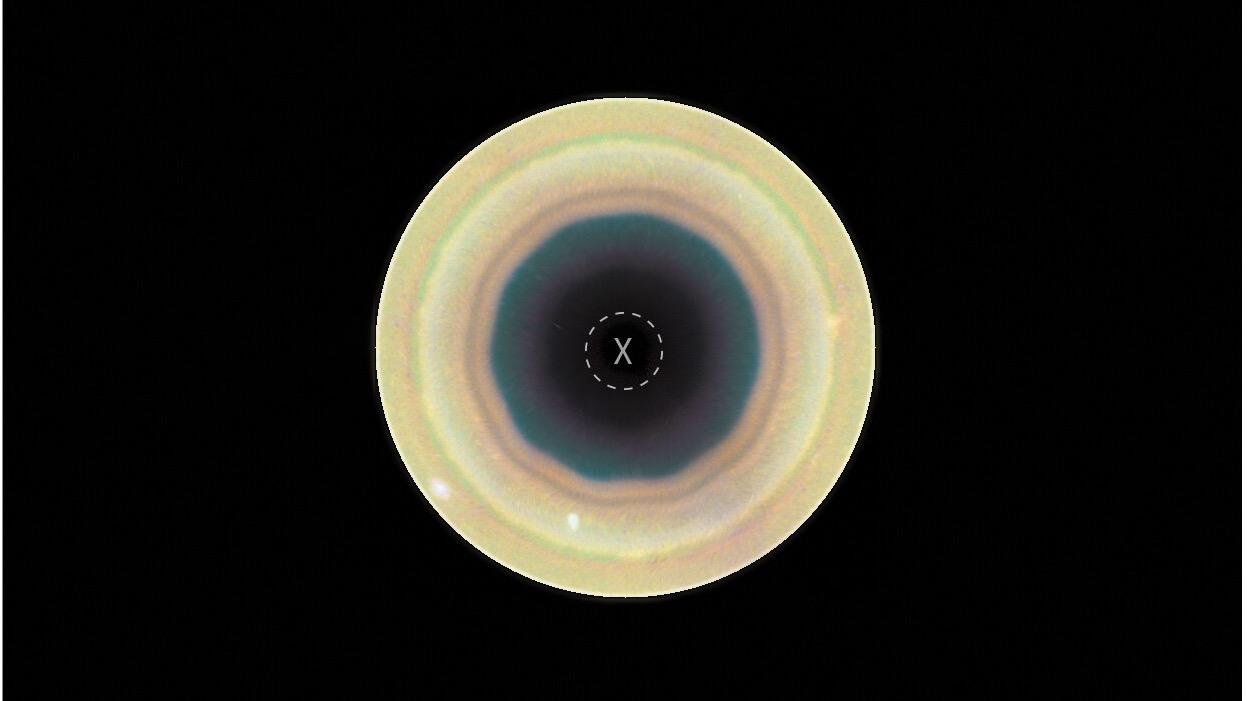
27 new objects, and one patch of sky. For the first time, two telescopes watched the same spot at the same moment: Hubble, the specialist in visible light, the kind our eyes see, and Webb, a hunter of infrared, the invisible light given off by cold bodies. The survey is the deepest ever run on these targets. It turned up 27 new trans-Neptunian objects, or TNOs: small icy bodies orbiting the Sun beyond Neptune, out in the deep chill at the edge of the solar system.
The catch rivals the count. Most of these objects shine 100 million times dimmer than what the unaided eye can see. The faintest of the 27 matches, by NASA's reckoning, a small swarm of fireflies on the Moon as seen from Earth. The smallest measures about 5 km (3 miles) across, five times smaller than the detection limit of the most sensitive ground-based telescopes. Thirteen of them were recovered in Hubble's visible-light images, enough to measure each color across a range from optical to near-infrared.
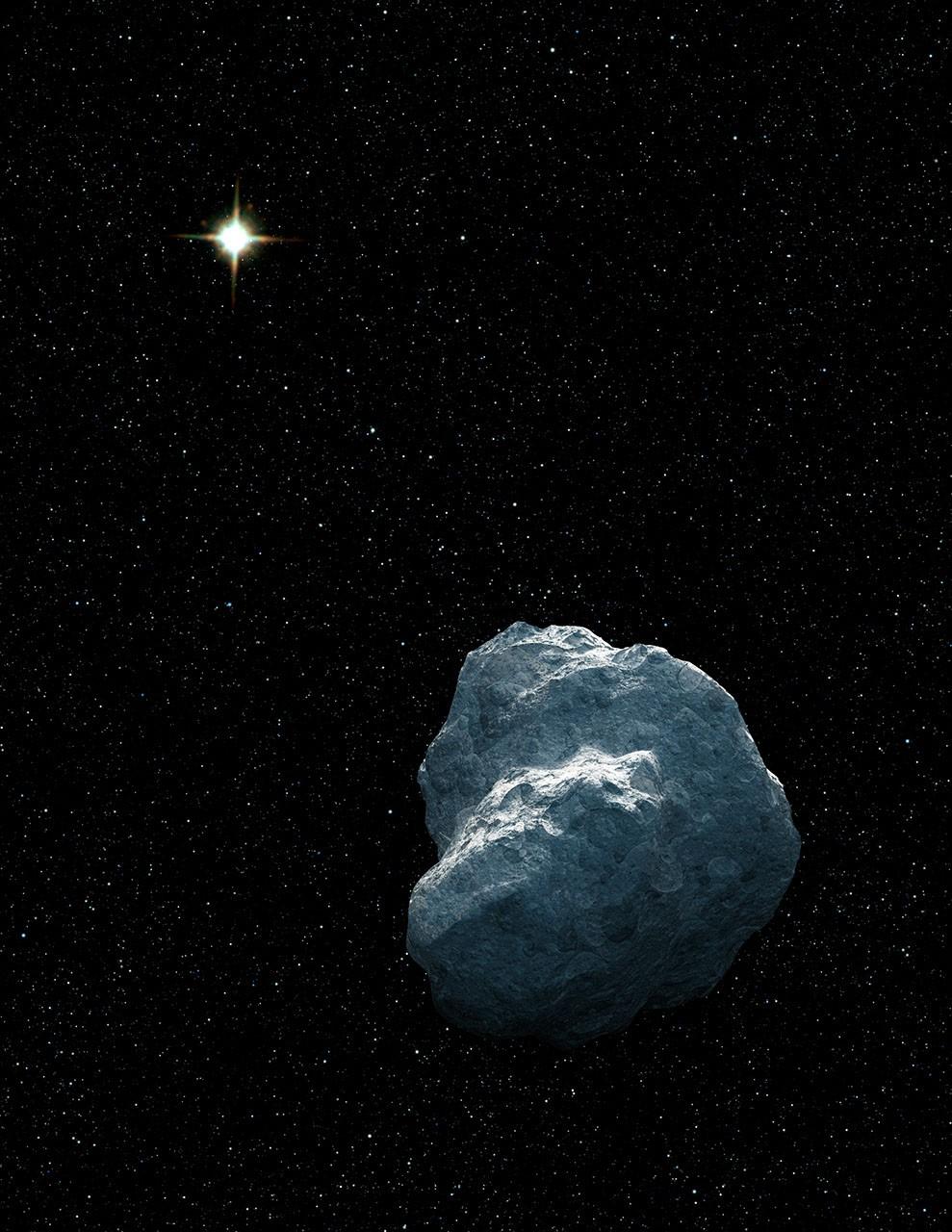
Icy fossils that kept the colors they were born with
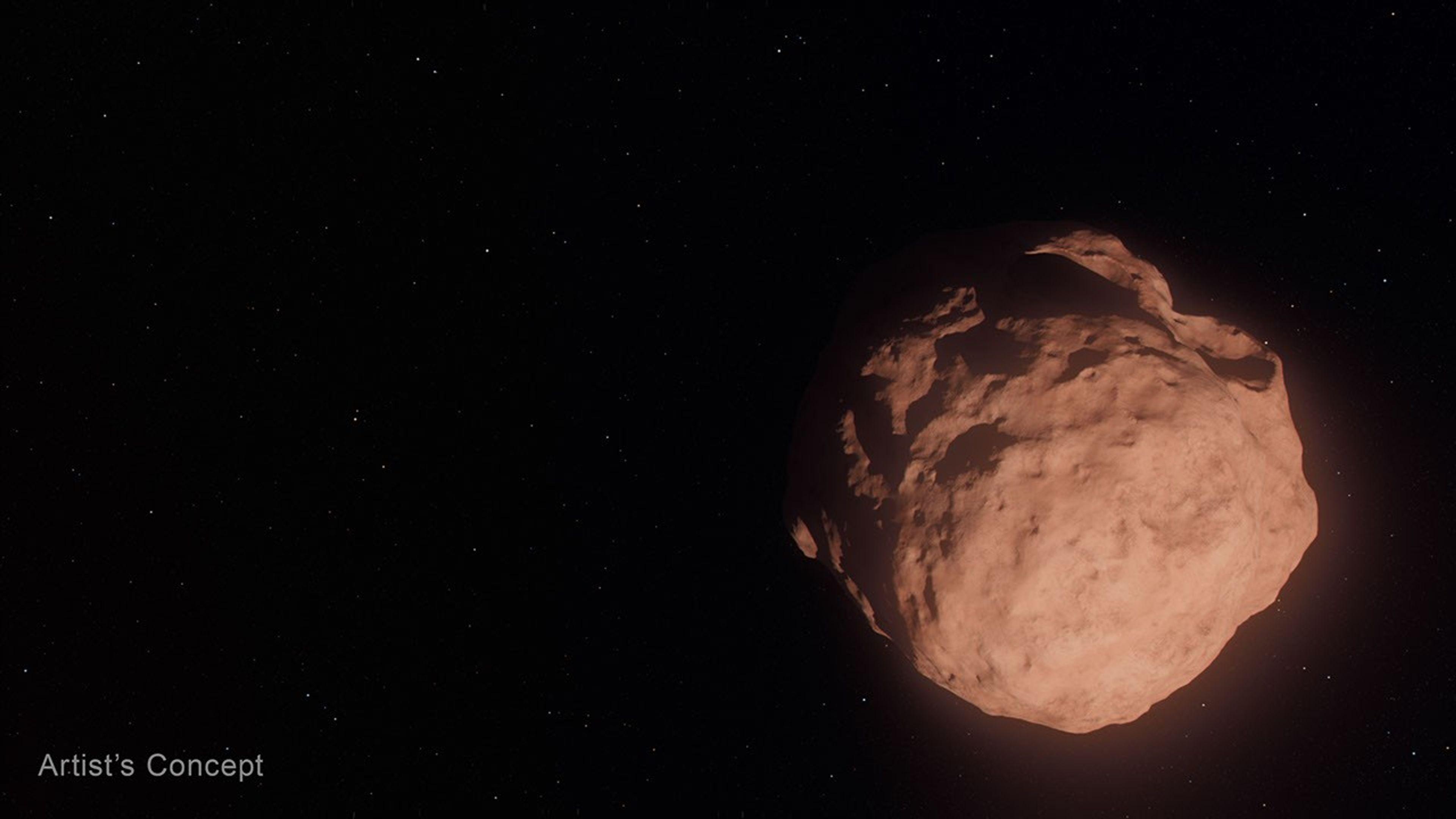
Why so much care over points of light? Because these bodies are fossils. Some 4.5 billion years ago, a disk of dust and pebbles circled the young Sun. Grains clumped into planetesimals, city-sized blocks, the raw building blocks of planets. Closer to the Sun, those blocks went on to assemble full-blown planets. Beyond Neptune, the second step never happened: the population froze in place, a construction site left untouched since the solar system was born.
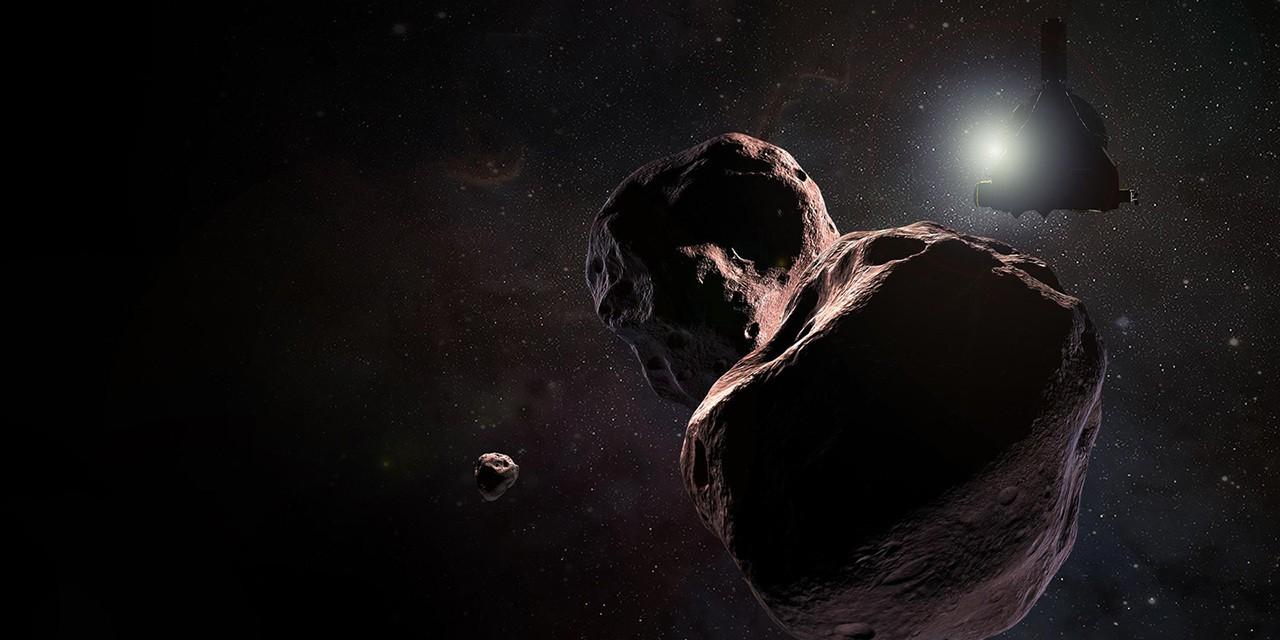
Astronomers therefore expected the smallest members, tossed around for billions of years by collisions, to wear reworked surfaces, and so different colors from their larger cousins. Color works like a fingerprint: it betrays the composition of the surface. The measurements say the opposite. The small bodies share the colors of their bigger relatives, in both families.
"You could imagine a scenario where getting knocked around and fragmented would change the surface composition, and then you would see a different surface color for tiny TNOs compared to their larger siblings. So it's really fascinating to see that the smallest objects are somehow 'remembering' and preserving the history of how they were made," says Anastasia Morgan, a PhD candidate at Northern Arizona University who led the color and composition study. "These dynamically 'hot' TNOs retain a signature of where they were born, even though they've been orbitally scrambled since then," adds co-author David Trilling of the same university.
Two explanations remain on the table: either there are fewer collisions than expected, or these bodies somehow kept their primordial composition despite the impacts. The teams are still working on it.
Hot or cold: two families, one recipe
The researchers went after two families of objects. The cold ones never left their original, near-circular orbits in the plane of the solar system. The hot ones formed closer in, between the current locations of Uranus and Neptune, then got pushed outward when the outer giant planets migrated early in the solar system's history. Like marbles knocked off the table by other marbles in motion, they now ride highly elongated orbits that carry them in and out of the plane.
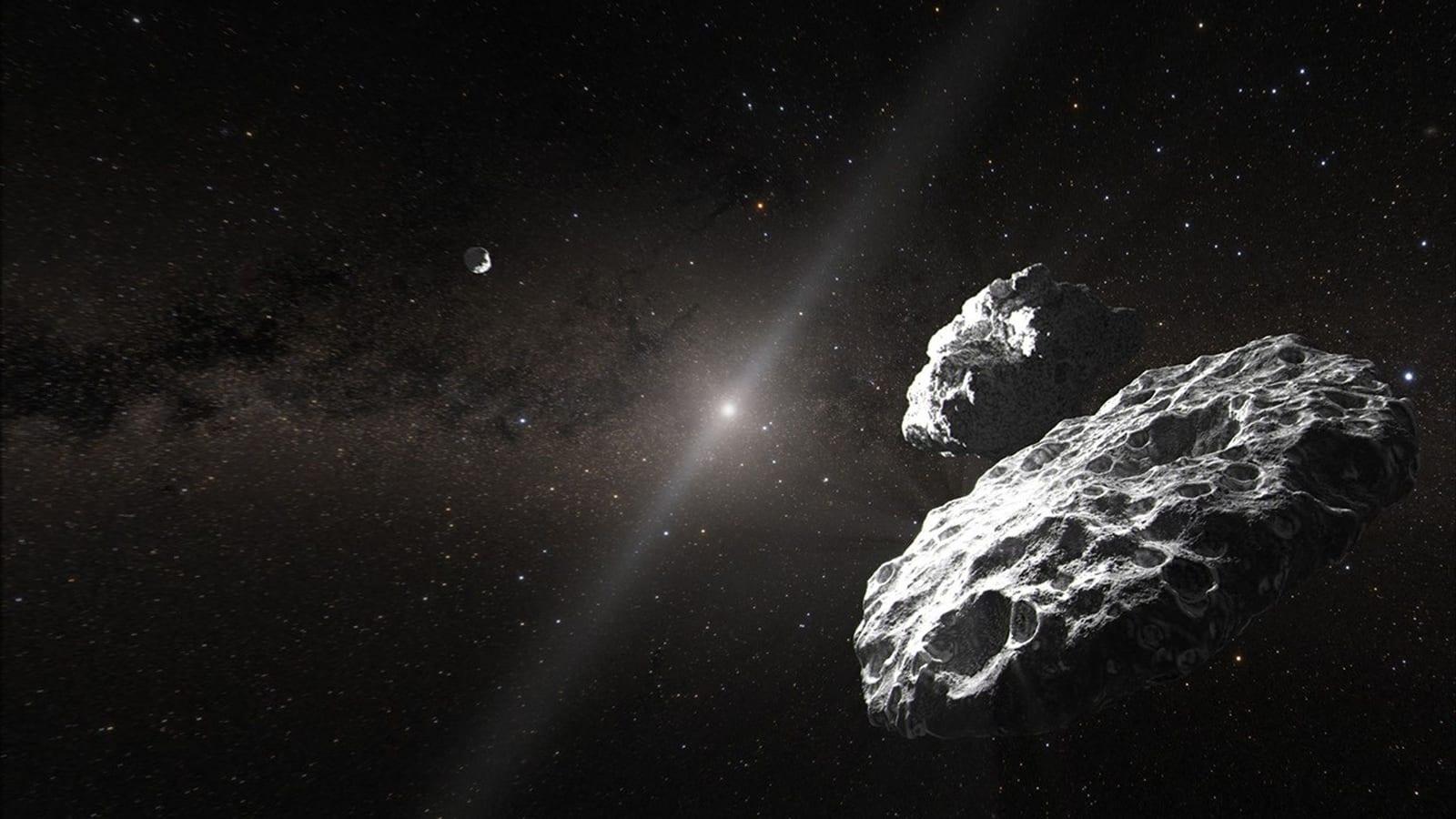
Webb's data also let researchers count the objects by size. The unexpected result: the two families show nearly identical size distributions. "It's very interesting that the process of planetesimal formation ends up producing the same distribution of sizes for both cold and hot populations, despite forming in different regions of the early solar system. The process seems to be insensitive to disk conditions, producing similar planetesimal sizes whether the disk is hot or cold, and dense or fluffy," says Marielle Eduardo, a PhD candidate at the University of Victoria who led the size study.
In other words: it does not matter where the manufacturing happens, the range of sizes stays the same. Planet-formation models now have to explain that consistency.
Fewer small worlds than models expected, and that's useful
Then comes the count, with its grain of salt. There are fewer of these very small bodies than some planet-formation models predicted. The survey does not invalidate those models: it puts them on trial. Every tally of this kind acts as a test bench, and the models will have to adjust to match the observations.
The Hubble and Webb pairing makes one more point: together they see what neither sees alone, Hubble's sensitivity in visible light and Webb's in infrared complete each other. This first sample of 27 objects, the smallest ever measured in color in this region, already delivers a lesson: 4.5 billion years on, the memory of small worlds still holds.
Going further
- The mission pages of the pair's two workhorses: Hubble and James Webb.
- The key notions behind the story: solar system, infrared and asteroid, the other great family of small bodies.
- To locate Neptune's direction in the sky, the interactive sky map and the observing guide tell you where to look. These objects stay out of reach of amateur telescopes, but the astrophotography gallery shows what the deep sky delivers to dedicated photographers.
- The official sources: the NASA release, the paper by Morgan and colleagues in The Astronomical Journal and the one by Eduardo and colleagues.