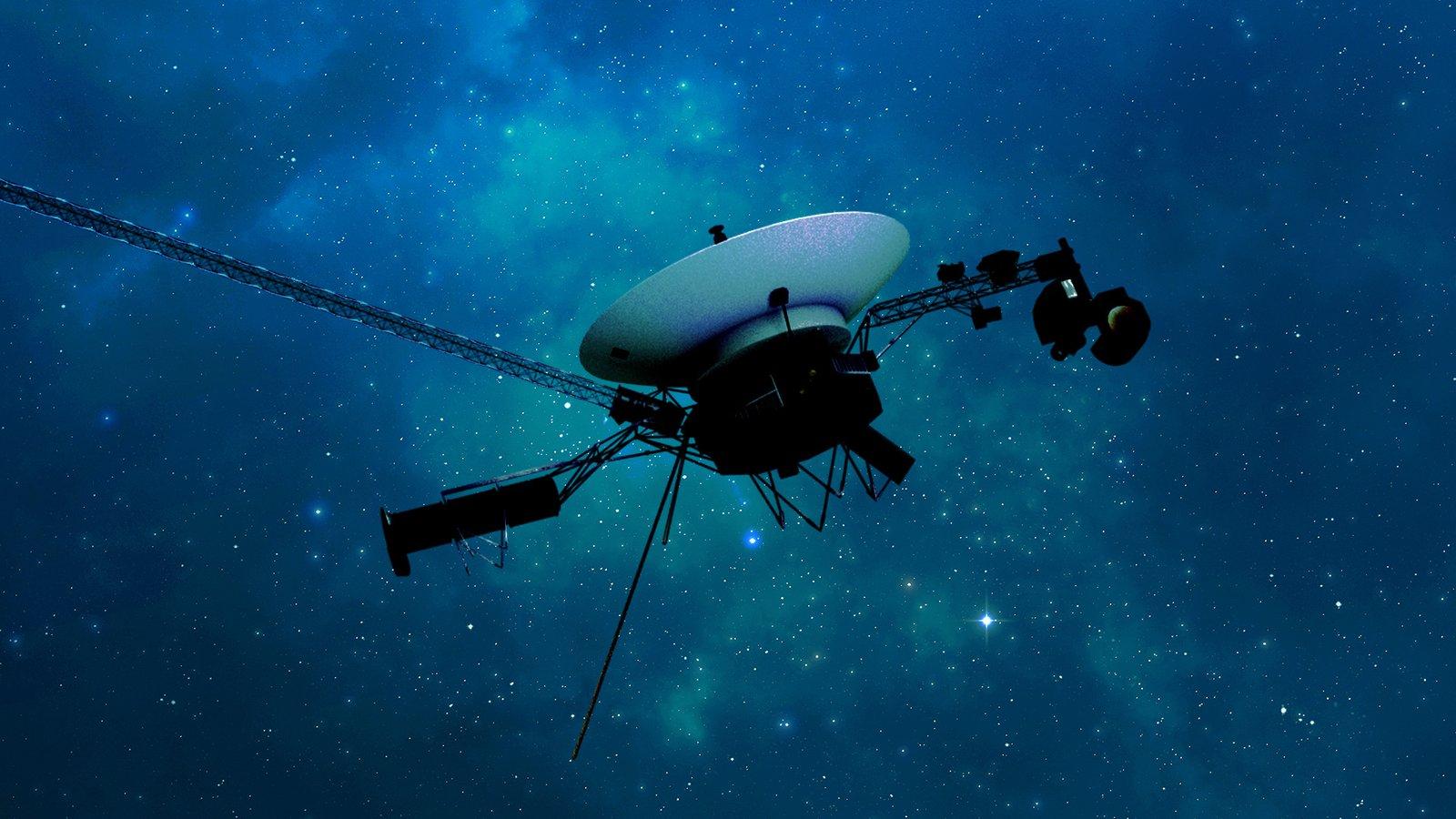
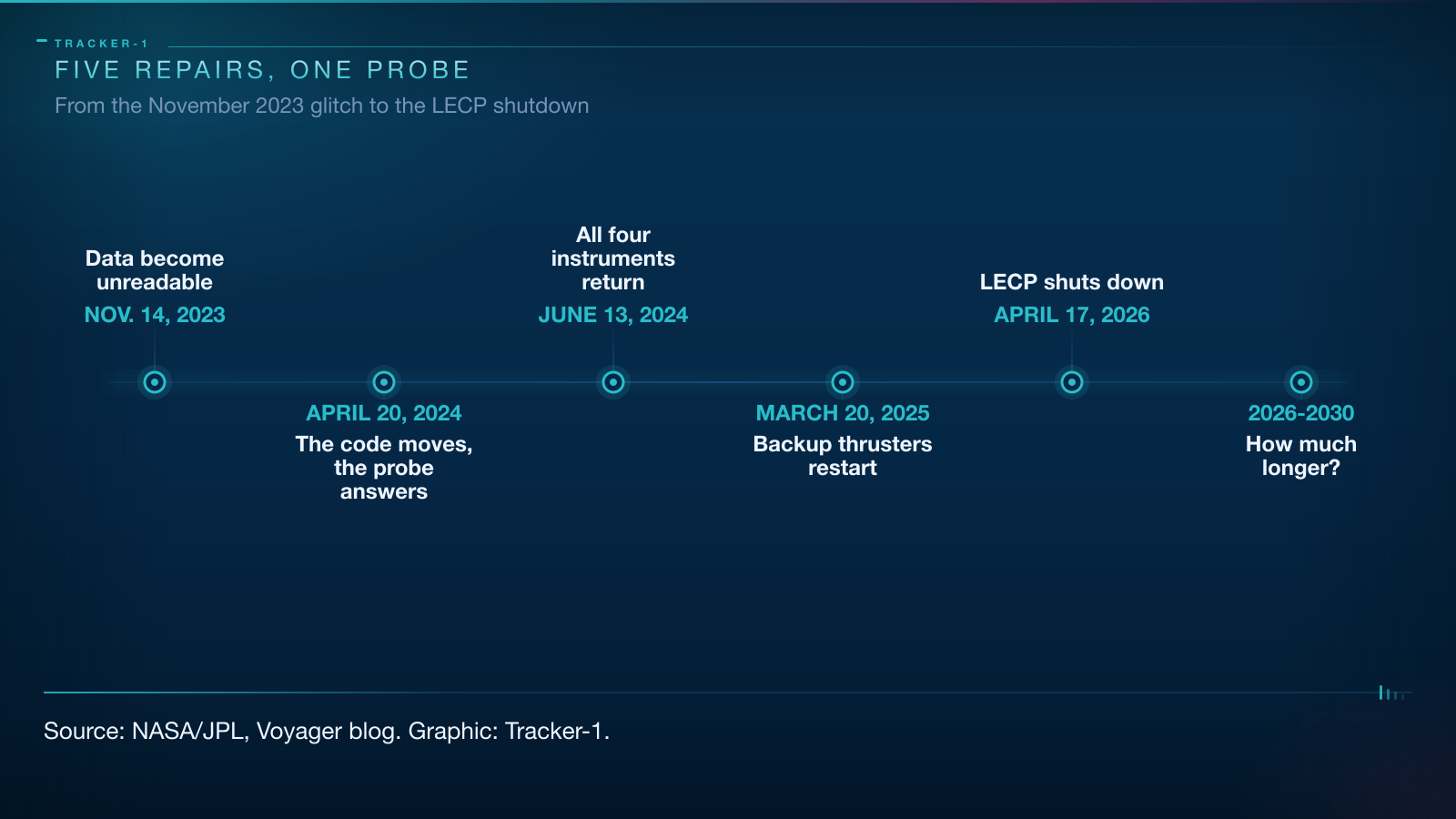
On November 14, 2023, Voyager 1's messages became unreadable. The probe is 24 billion kilometers away, it still receives commands, but the data it sends back no longer makes sense. A memory chip has failed. Engineers will have to repair it remotely, without ever touching the spacecraft.
This is the last article in Tracker-1's special week. It tells the story of the glitch, the return of the data, the thrusters, the instruments shut down one by one, and the question that remains: how much longer?
The glitch
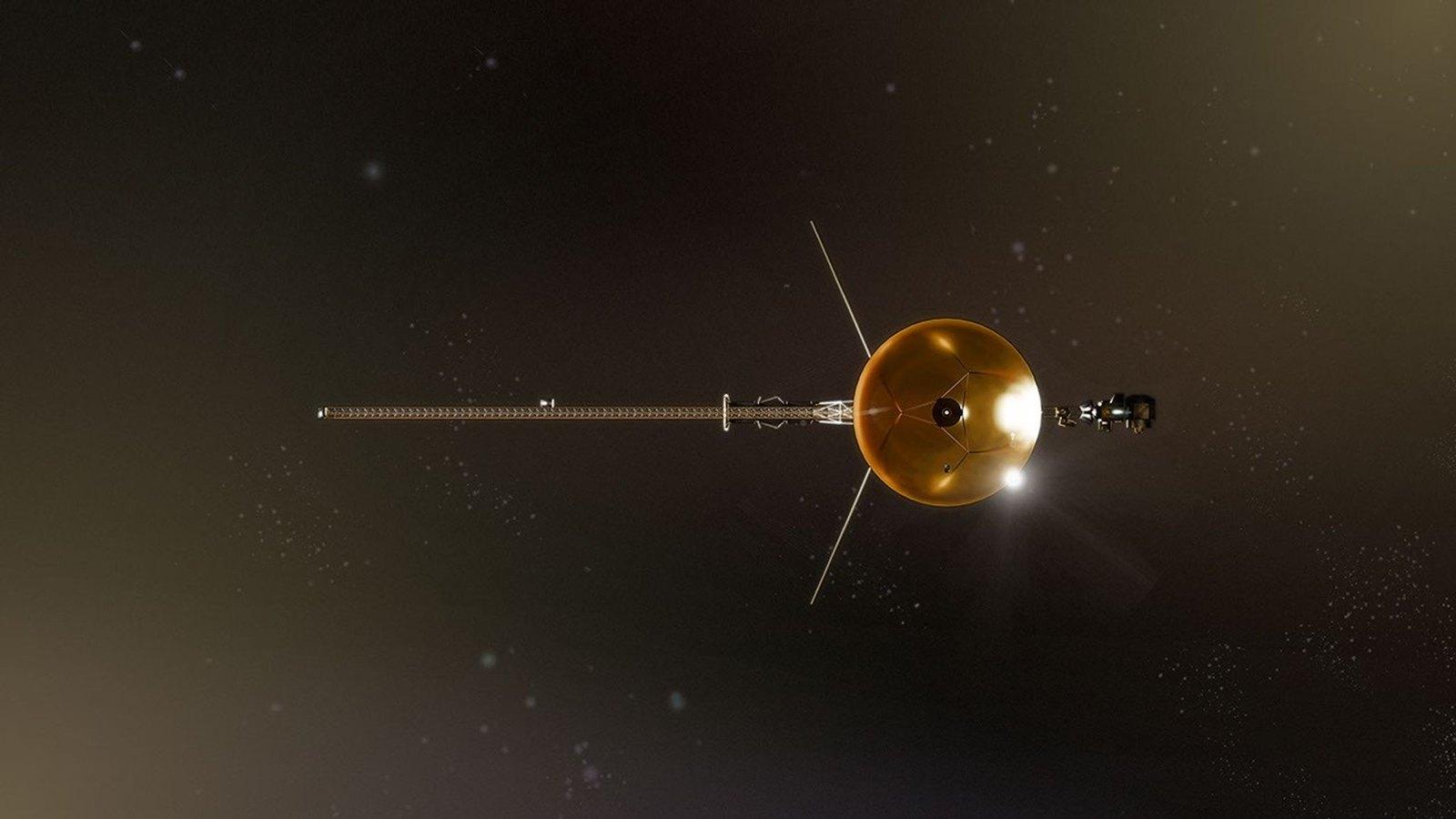
The problem comes from the flight data subsystem, the FDS, one of the probe's three computers. It packages science and engineering data before sending it to Earth. A chip in its memory, which stores part of the code, no longer works. Without that code, the messages arrive, but they are unreadable.
The team cannot replace the chip. It decides to move the code elsewhere in FDS memory. No single location is large enough to hold it all. So it splits the code into sections, stores them in different places, and adjusts every reference so the whole still works.
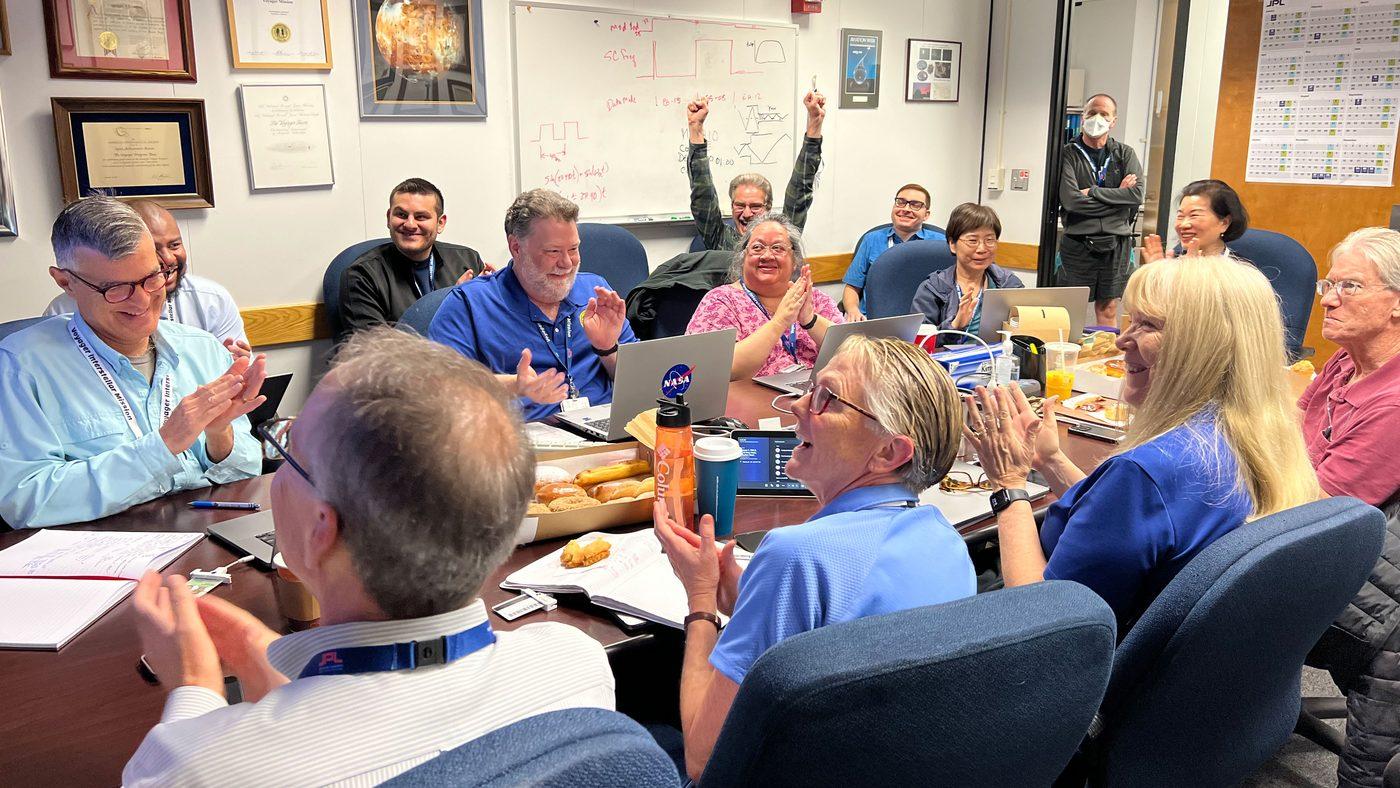
On April 18, 2024, it sends the part of the code that packages engineering data. A signal takes about 22 and a half hours to reach the probe, and as long to return. On April 20, the answer arrives. For the first time in five months, the team can check the probe's health. In a JPL conference room, faces light up.
Data returns
Engineering data comes back. Science data follows. On May 17, 2024, the team sends the commands that let two instruments, the plasma wave instrument and the magnetometer, return their measurements. On May 22, NASA announces their return. The other two instruments still need work.
On May 19, the second step of the plan is executed. Two instruments return to normal immediately. The other two follow. On June 13, 2024, all four of Voyager 1's science instruments are returning usable data. The probe is back in service.
The thrusters
The rest of the probe is aging too. In 2004, its primary roll thrusters failed because of two small heaters. The team relied on the backup thrusters, which lasted twenty years. But their fuel tubes are clogging, and a solution was needed before they stopped.
In 2025, engineers reopen the case. They suspect a circuit flipped a switch to the wrong position. On March 20, they try to wake the dormant thrusters. Twenty minutes after the commands are executed, the heater temperatures rise. The thrusters respond. "It was such a glorious moment," propulsion lead Todd Barber would say.
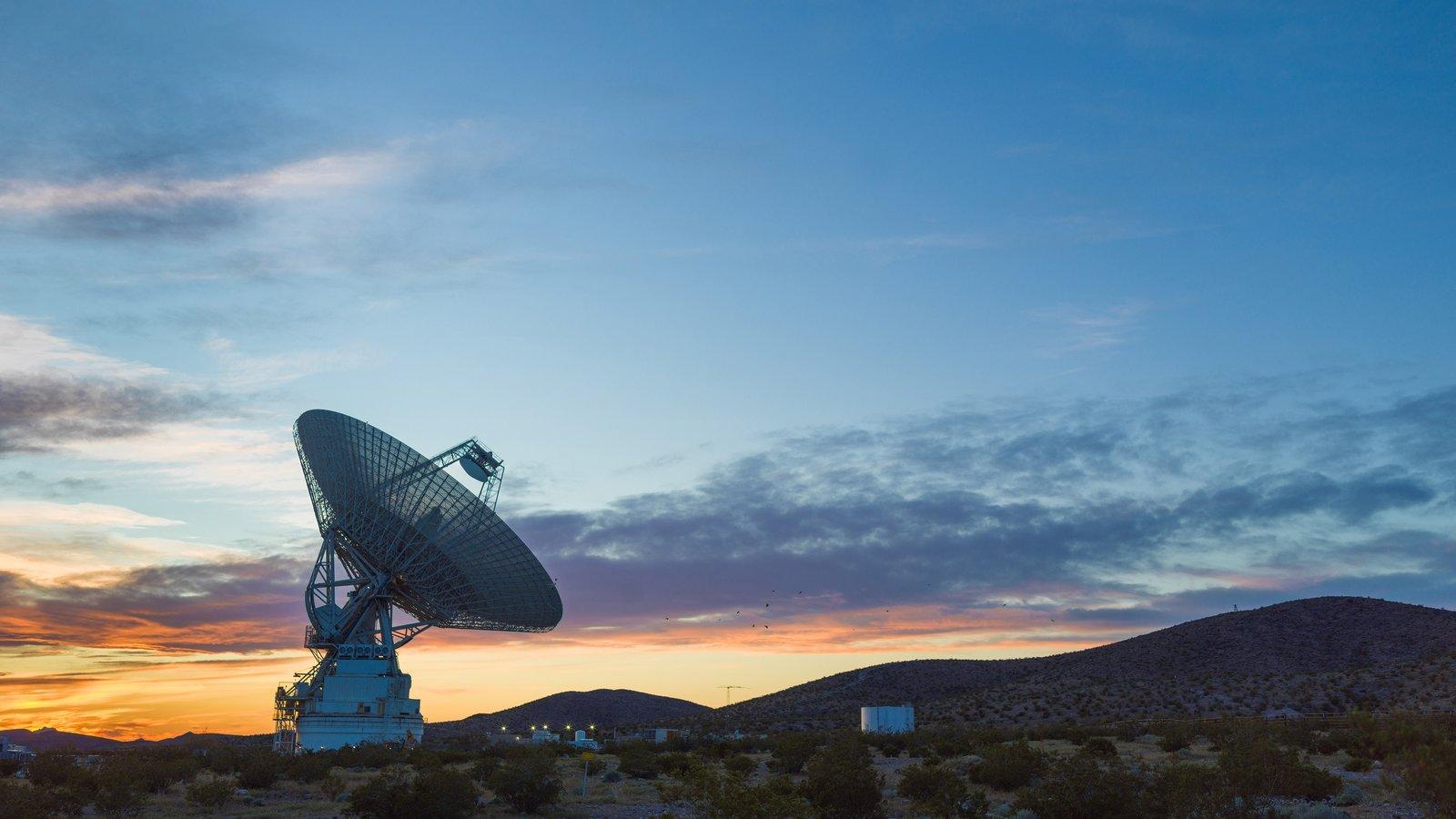
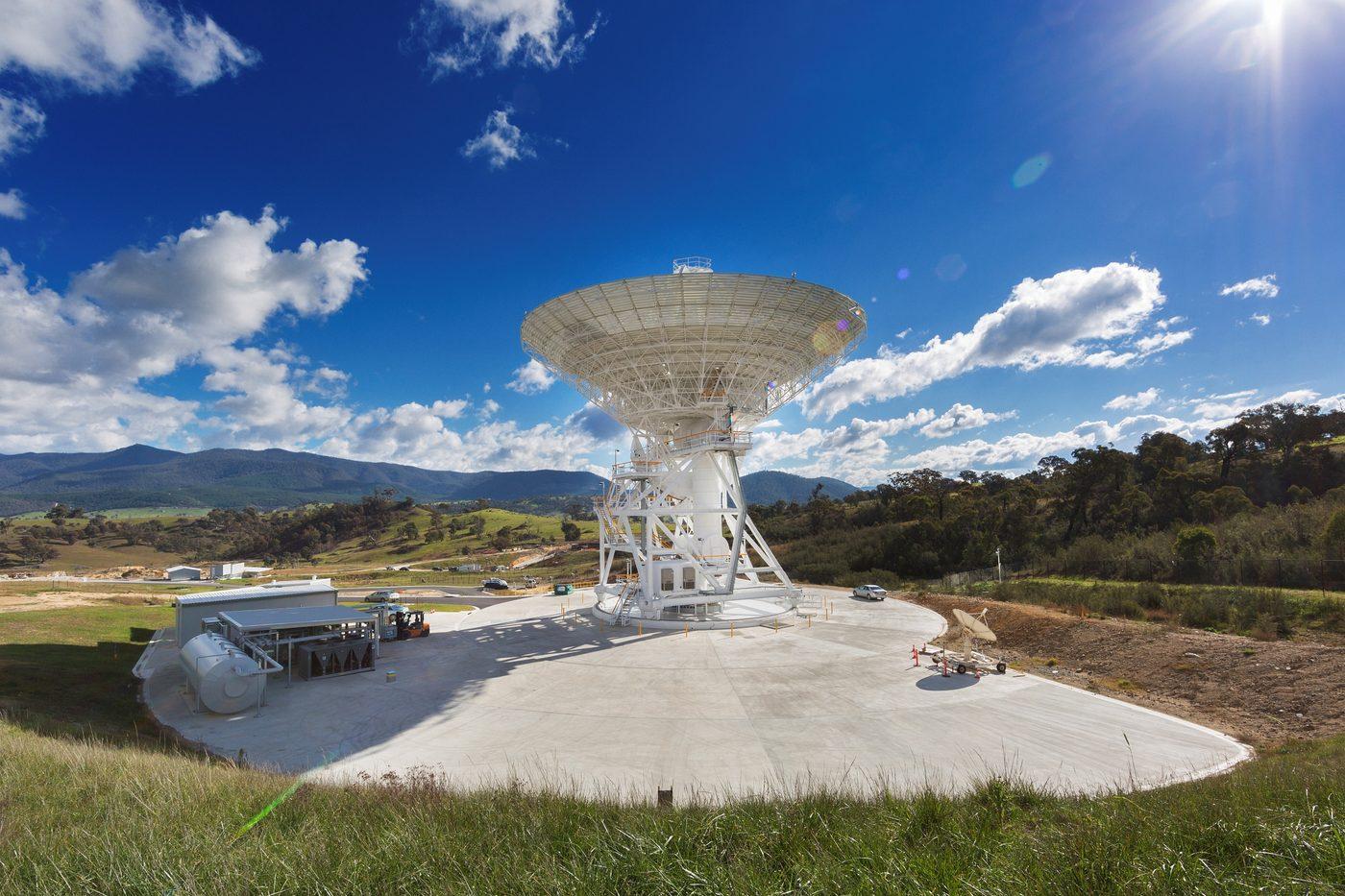
The operation was urgent. From May 4, 2025, the DSS-43 antenna in Canberra, the only dish powerful enough to send commands to the Voyagers, was due to close for upgrades. The team wanted backup thrusters before that pause.
Power running out
On April 17, 2026, the team shuts down the LECP, the instrument that measures low-energy charged particles. It had operated almost without interruption since 1977, nearly 49 years. The probe has only two science instruments left, the plasma wave instrument and the magnetometer.
The cause is simple. Radioisotope thermoelectric generators convert plutonium heat into electricity. They lose about 4 watts a year. After half a century, the margins are tiny. Instruments and heaters must be shut down, and trade-offs found so the propellant lines do not freeze.
The team is preparing a more ambitious energy reduction, nicknamed "the Big Bang". It tests it on Voyager 2 first, then on Voyager 1. The goal is to gain a few years, and perhaps to switch the LECP back on if power allows. But the question remains open.
NASA estimates that the two probes could remain within the Deep Space Network's range through about 2036. Science data will probably stop earlier, engineering data perhaps later. Voyager 1 will then continue its silent route toward the Oort Cloud. For half a century, it was humanity's farthest voice.
Going further
- The mission pages for Voyager 1 and Voyager 2, tracked live on the site dashboard.
- The key concepts behind the story: space probe and the solar system.
- The official sources: the return of engineering data, the return of science data and the LECP shutdown.
- The rest of the special week: Tracker-1's latest stories.