A flash lasting a few milliseconds, from a galaxy so distant that the largest ground-based telescopes could not see it. A South African radio telescope caught it on March 4, 2024. Only the James Webb Space Telescope managed to trace where it came from. The results, published on Oct. 8, 2026 in the journal Science, set a new distance record for these bursts and point to one specific kind of dead star.
A three-millisecond flash, 3 billion years after the Big Bang
Let's start with what is certain. The signal is called FRB 20240304B. Those first digits give its discovery date: March 4, 2024. The MeerTRAP collaboration, using the MeerKAT radio telescope in South Africa, spotted it. The radio waves lasted only a few milliseconds, barely longer than a finger snap.
Picture what a fast radio burst is. It is a flash of radio waves, the same family as the waves used by radio stations and wifi, but coming from another galaxy and squeezed into a tiny slice of time. The first one was found in 2007. Astronomers now know hundreds, scattered across the whole sky. Their origin has been debated from the start, not least because the vast majority fire only once.
The first thing astronomers measure on such a signal is its distance. To do that, they use a clue: the more matter the radio waves cross, the more they slow down, and the more stretched the signal arrives. The catch is that this clue stays indirect. To settle the question, you have to see the galaxy it came from and measure its light.
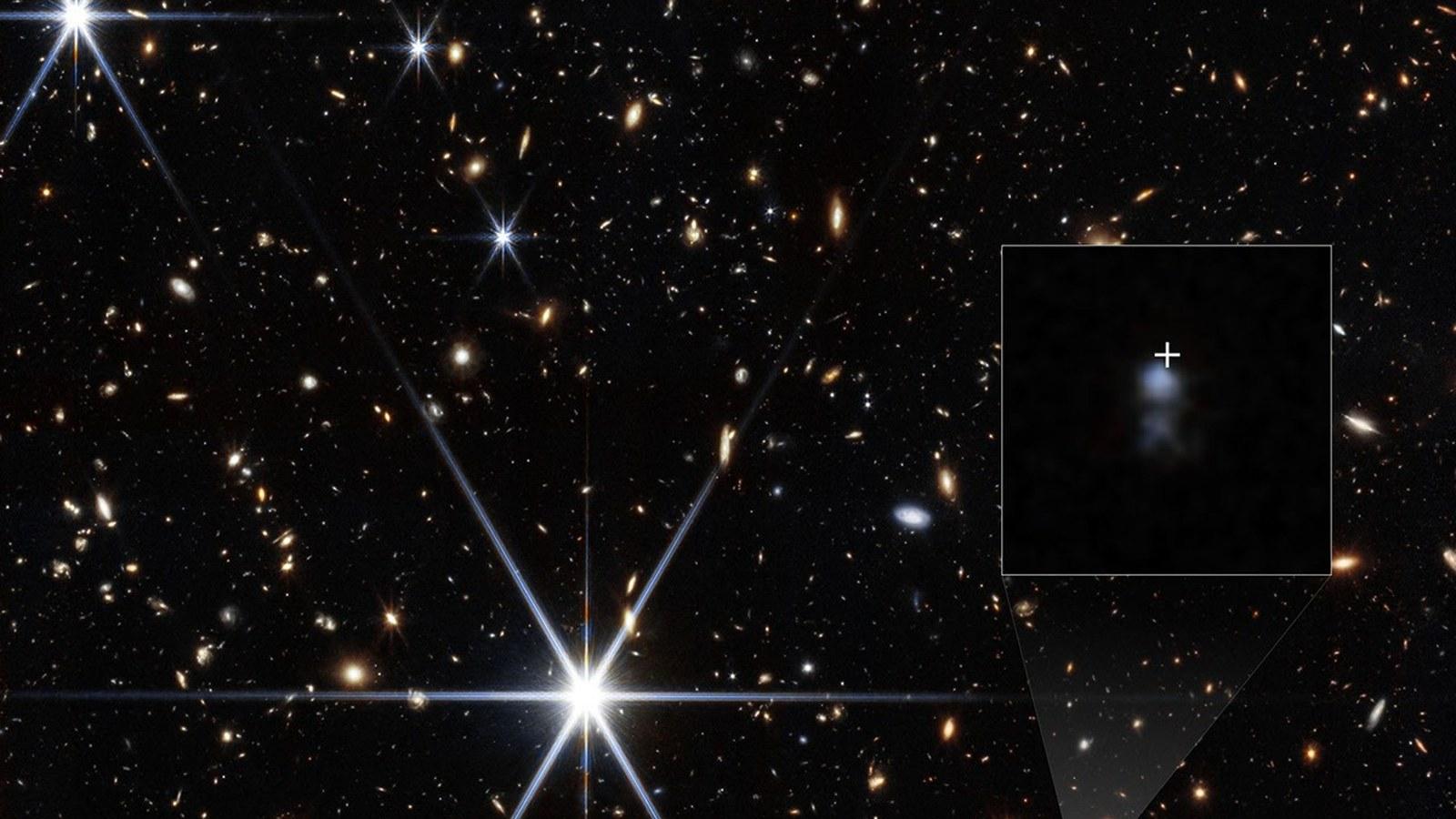
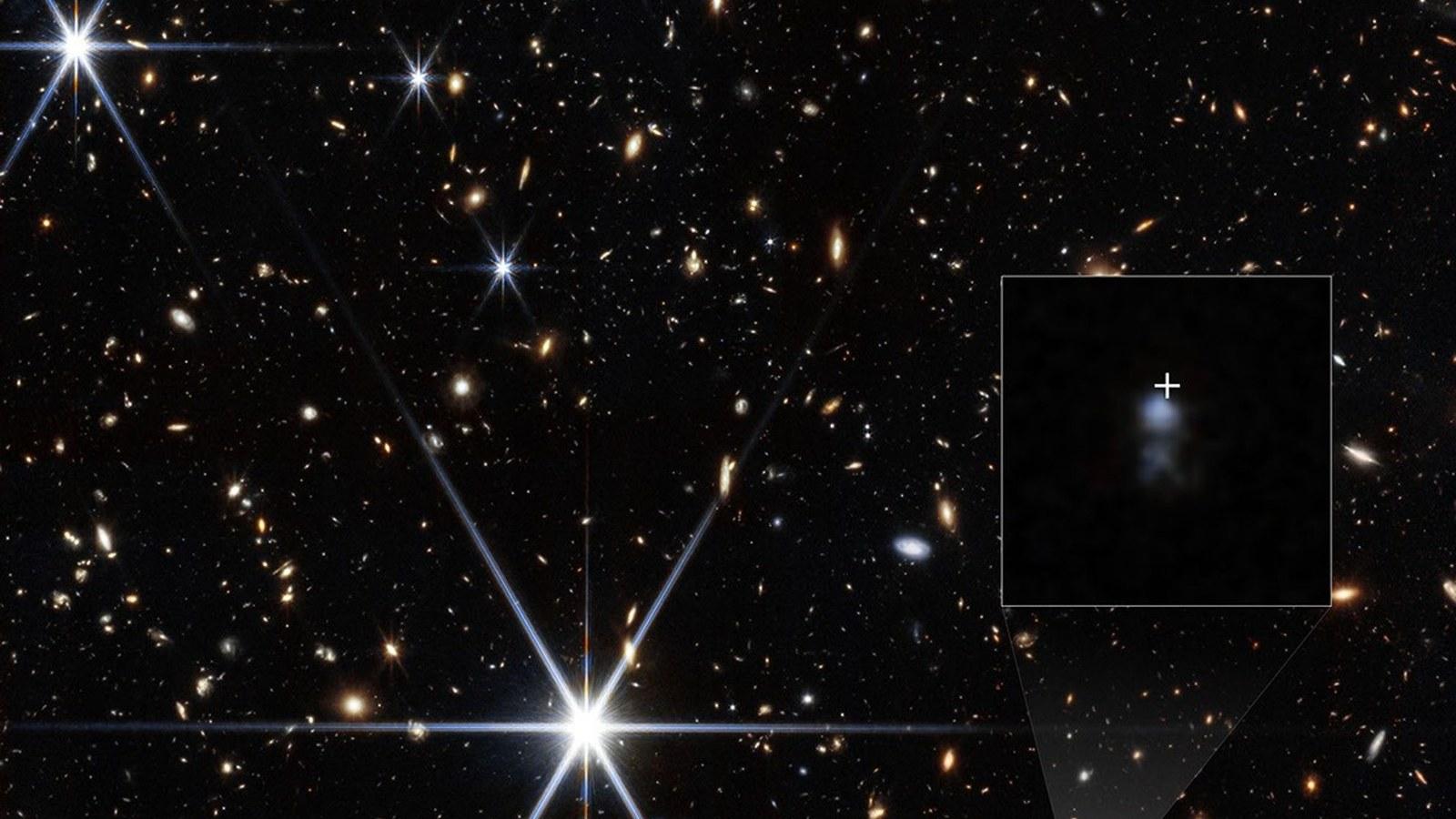
That is where the case gets hard. Astronomers knew where to look, to a fraction of a degree. But none of the largest ground-based telescopes, including the European Southern Observatory's 8-meter Very Large Telescope, saw any galaxy at that spot. The burst was pointing at empty sky.
Webb sees what ground-based telescopes cannot
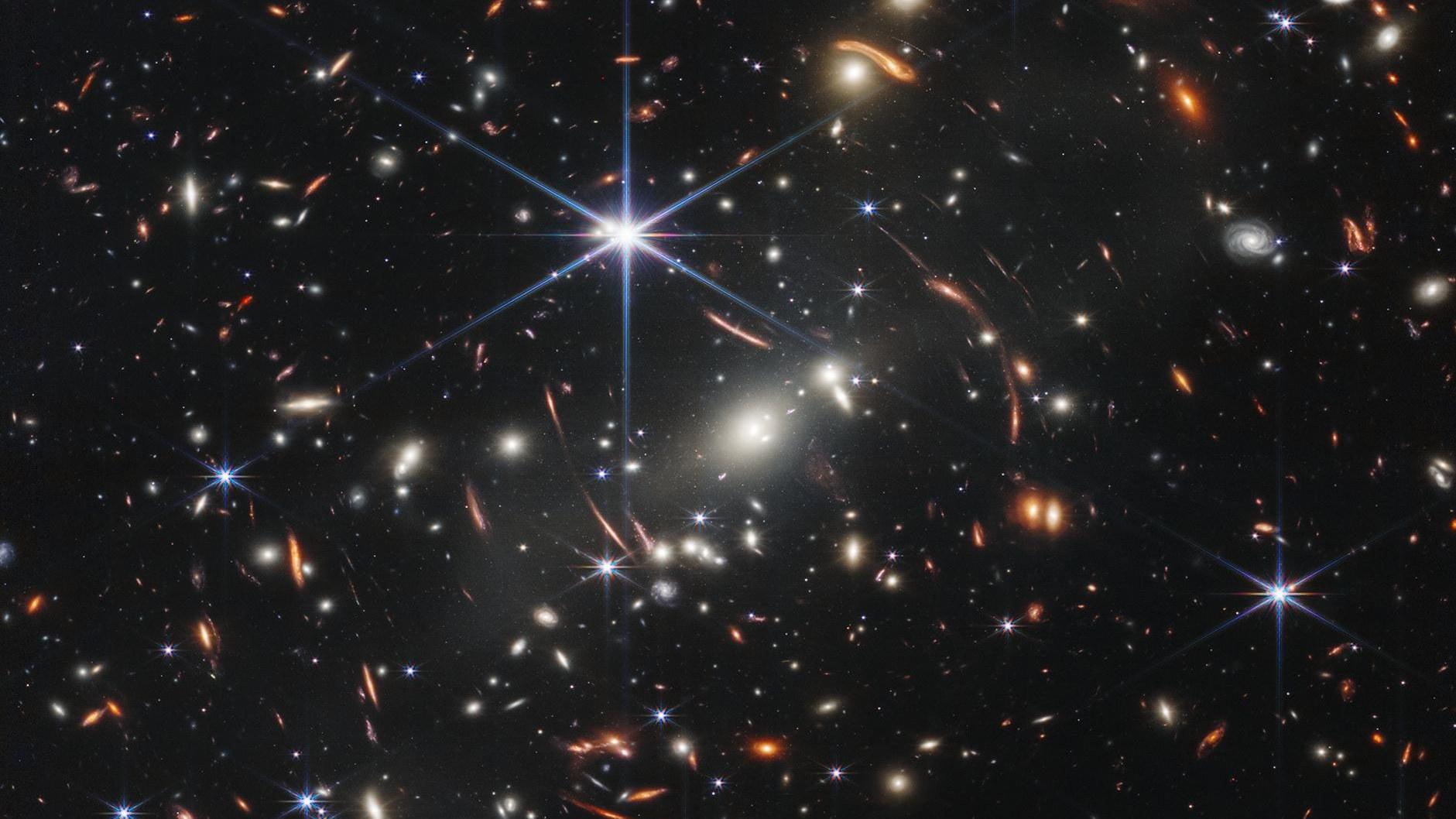
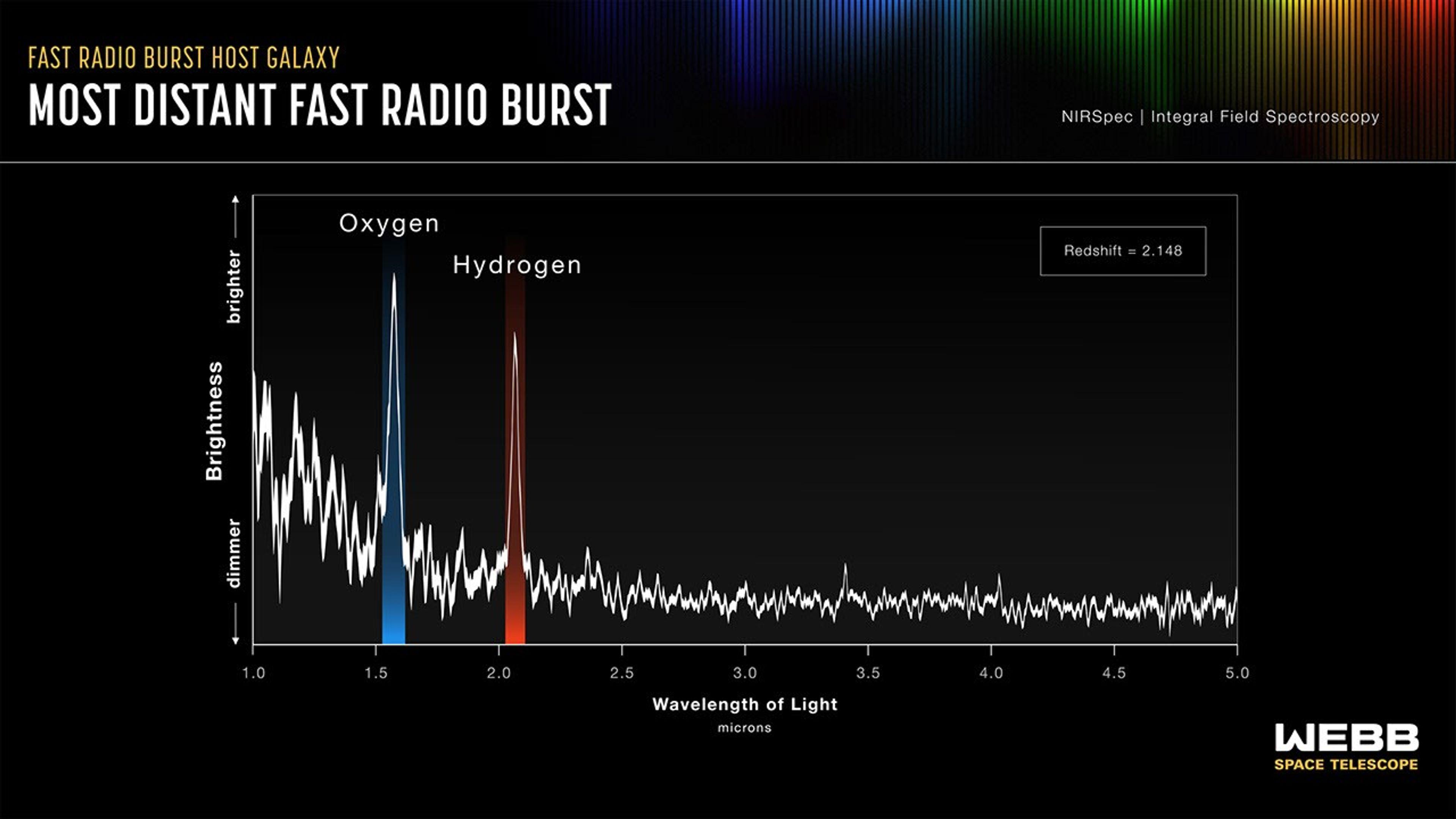
The answer came from space. Webb's infrared NIRCam camera eventually picked up a faint glow at exactly the right spot. Then the NIRSpec spectrograph, which splits light into its component colors much like a prism, delivered the decisive measurement: a redshift of 2.148.
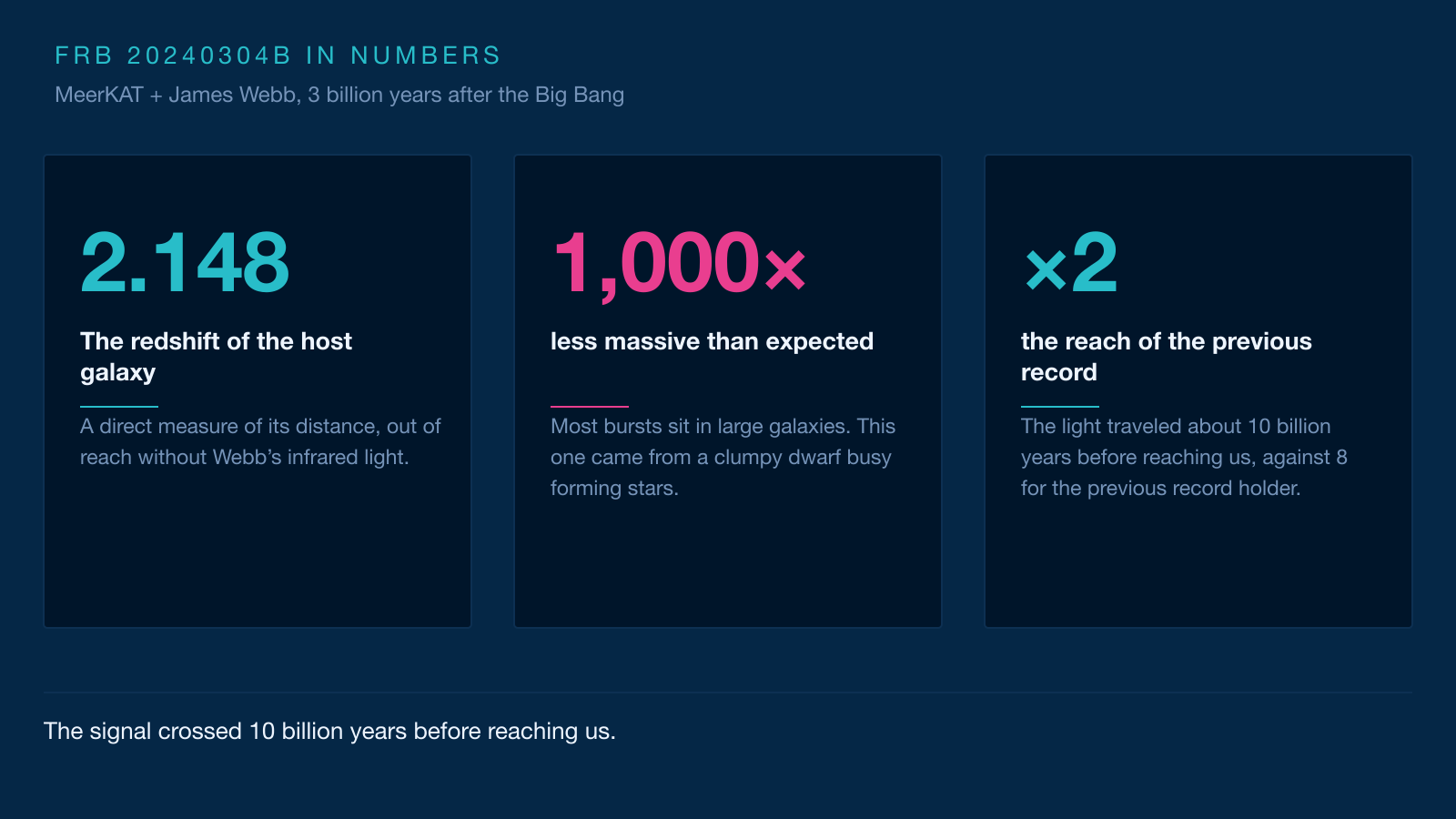
That number deserves an explanation. The universe is expanding, and that expansion stretches light as it travels, just as the horn of a car sounds lower as it drives away. The farther the light has come, the more it is stretched. A redshift of 2.148 means that light traveled for about 10 billion years before reaching us, and that the burst was emitted when the universe was only 3 billion years old.
That measurement puts FRB 20240304B at the top of a specific ranking. The previous record, the burst FRB 20220610A, had a redshift of 1.016, meaning its light set out about 8 billion years ago. The newcomer therefore doubles the reach of bursts whose home galaxy is known.
A tiny dwarf, born at the universe's busiest hour
The surprise is not only the distance, but the nature of the galaxy. Astronomers expected a big, well-formed galaxy packed with stars. They found the opposite: a small dwarf galaxy with clumpy edges, actively forming stars.
The contrast is measurable. Most known fast radio bursts sit in large, massive, star-forming galaxies. This one weighs about 1,000 times less, a huge gap. And it does not do things by halves: based on its star-formation rate, most of its stellar population may have assembled in just 30 million years.
The timing matters just as much. This galaxy lived during what astronomers call "cosmic noon," when the universe was forming stars at its highest rate. To set the scene: the universe is 13.8 billion years old, and this galaxy was already very busy at the age of 3 billion years, about a quarter of its current age.
Two neutron stars, or a single overachieving one?
Here is the heart of the result. Two broad scenarios explain fast radio bursts, and the age of the galaxy helps pick between them.
The first imagines two neutron stars merging. Two leftovers of massive stars orbit each other, spiral slowly closer, and finally collide. Time is the problem: this death spiral takes billions of years. If that scenario dominated, bursts should occur in old galaxies whose stars have had time to evolve. A galaxy just 3 billion years after the Big Bang is far too rushed to give a pair of stars time to merge.
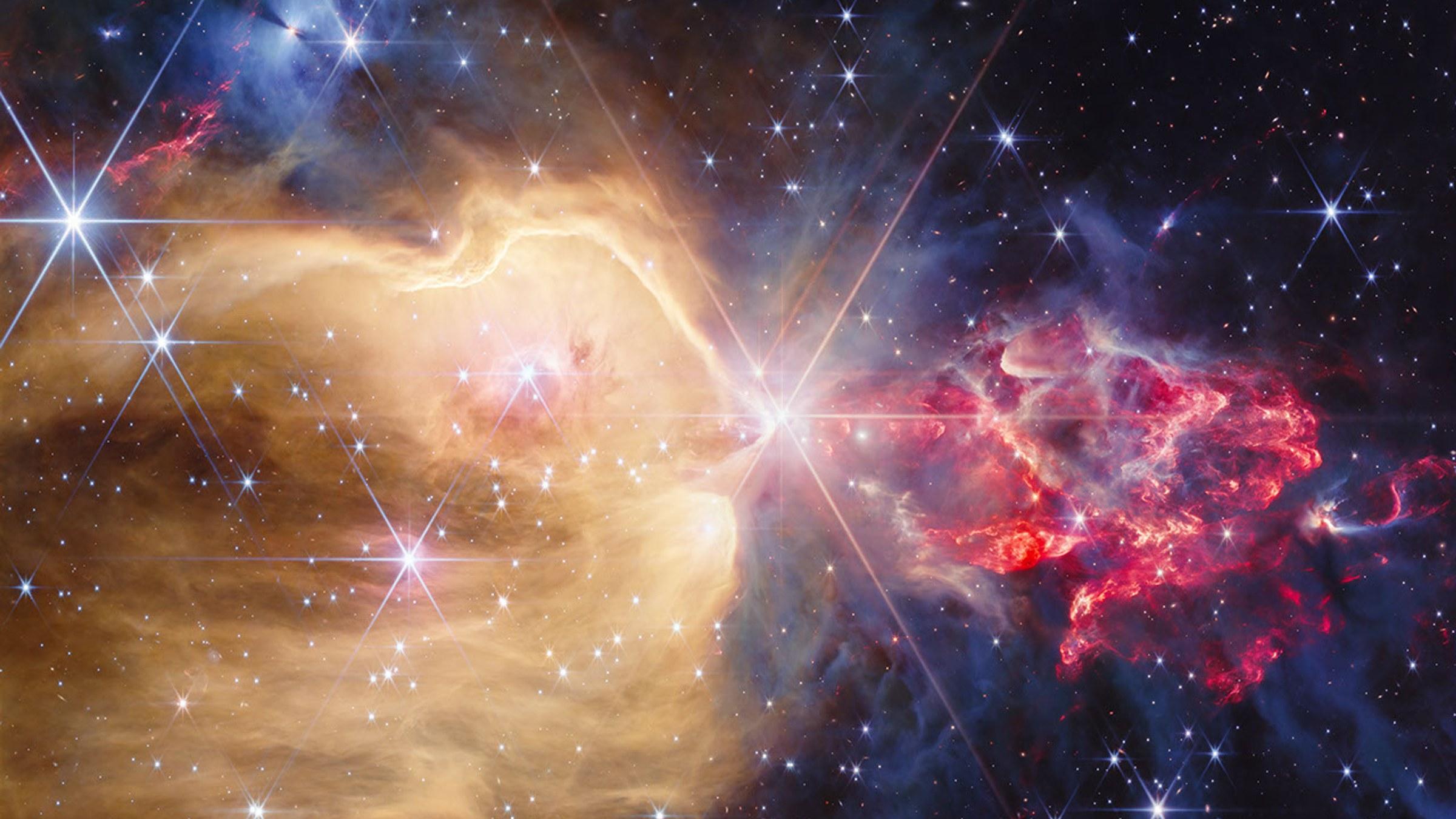
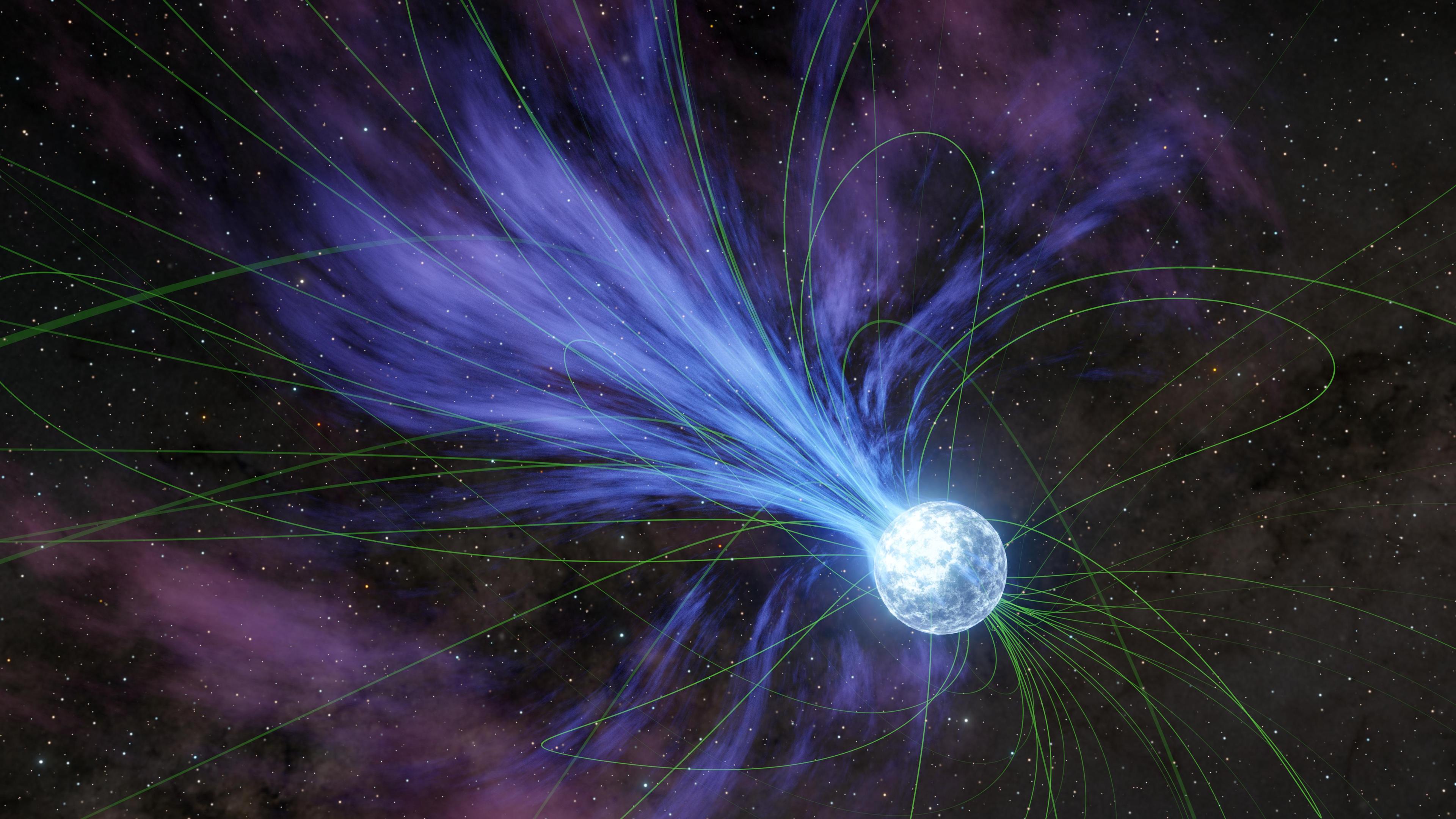
The second scenario needs only one star. A massive star explodes as a supernova, and its core collapses into an ultra-magnetic neutron star: a magnetar. A magnetar's magnetic field is the strongest known in the universe. Under violent jolts of its crust, so-called starquakes, the magnetar can release a flash of radio waves. And the event follows the star's death closely, with no long delay. That is exactly the case in a young galaxy like the home of FRB 20240304B.
"Our work suggests that it's very unlikely that this FRB was produced by a merger," says Manisha Caleb of the University of Sydney, lead author of the study.
One caveat is in order before anyone declares victory. The team has no conclusive proof of where these bursts come from. It has ruled out one scenario for this particular burst, and the magnetar remains the leading hypothesis. But the exact mechanism by which a magnetar emits that flash is still not established.
A measuring tape stretched across 80% of cosmic history
The burst does more than settle an argument among astrophysicists. It also provides a measuring tool.
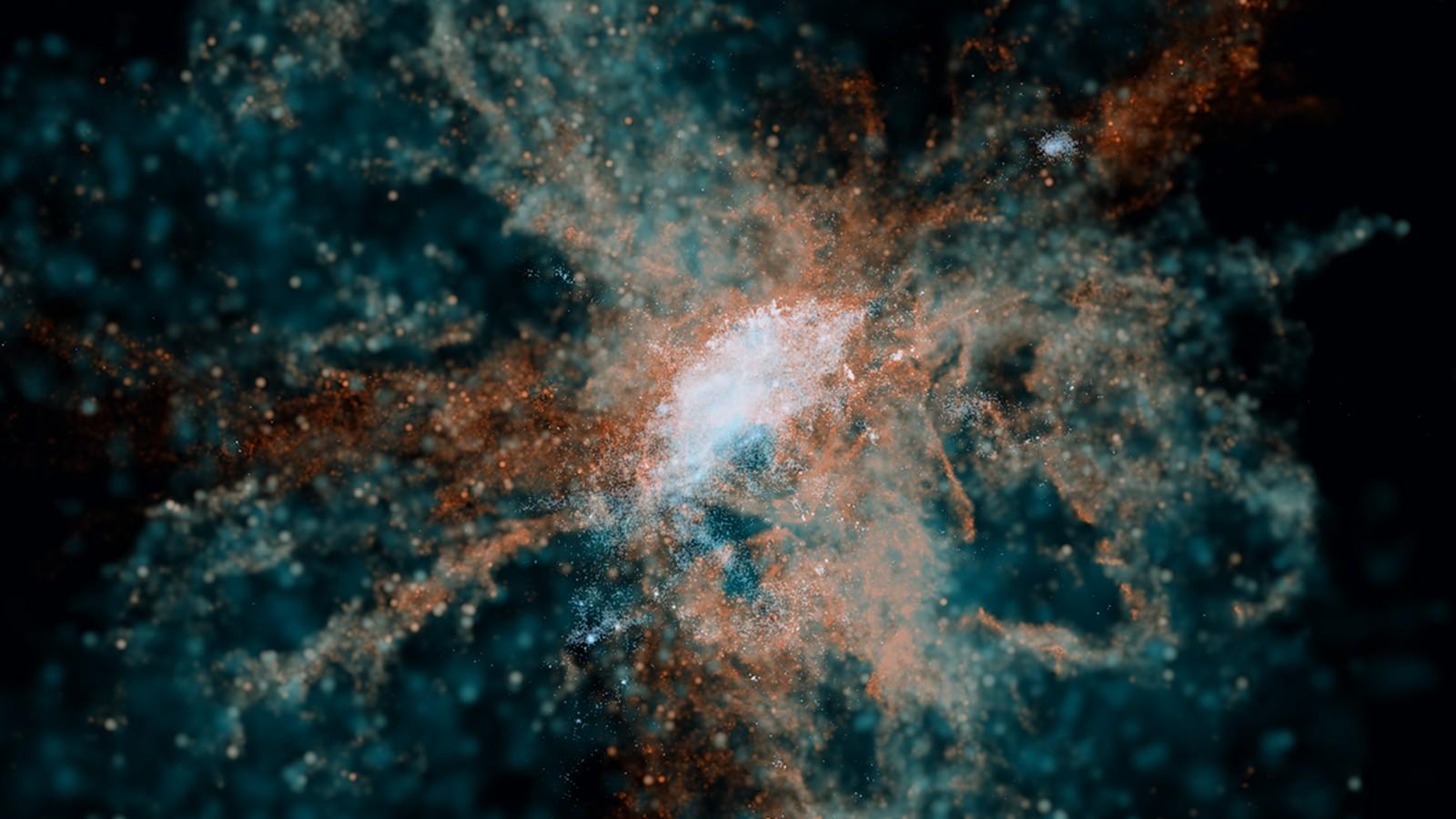
When such a flash crosses space, it leaves an imprint of everything it meets. J. Xavier Prochaska of the University of California, Santa Cruz, likens the phenomenon to a flashlight: the burst "lights up everything along the path. It carries an imprint of everything that it travels through, so you can use it to trace the 'cosmic web,' the otherwise invisible matter and structures that it encounters along the way."
In the wake of FRB 20240304B, the team spotted two obstacles. A small galaxy of the Virgo catalog, about 54 million light-years from us, and above all a previously unknown galaxy cluster, roughly 3.5 billion light-years away. Two signatures inside a single signal, like two successive echoes along a wire.
This result is only a beginning. Astronomers estimate that MeerKAT should localize several bursts of this kind each year, in galaxies lying more than halfway back to the origin of the universe. Each will need confirmation from Webb. Measuring whole populations, rather than single cases, will show whether this dwarf galaxy is an exception or the rule.
Going further
- The telescope that found the galaxy: the James Webb Space Telescope, with its NIRCam infrared camera and NIRSpec spectrograph.
- The key ideas behind the story: galaxies, star formation, infrared light and spectroscopy in our glossary.
- The burst itself is invisible to the eye, but galaxies are not: our interactive sky map shows what to point at tonight, and our stargazing guide helps you plan the evening.
- The official sources for this article: the study by Caleb et al. in the journal Science (Oct. 8, 2026) and NASA's release, along with ESA's publication and the release from the South African Radio Astronomy Observatory.