Five pinpricks of light, gone in the blink of an eye, spotted with the naked eye from a capsule racing about 46,000 miles from the Moon. That is one of the highlights of the Artemis II Preliminary Lunar Science Report, which NASA released on October 7, 2026. The crew did far more than look: they photographed, annotated and described what they saw. Those observations are already feeding into the planning of the next lunar missions.
Five flashes beneath the Moon, seen by eye alone
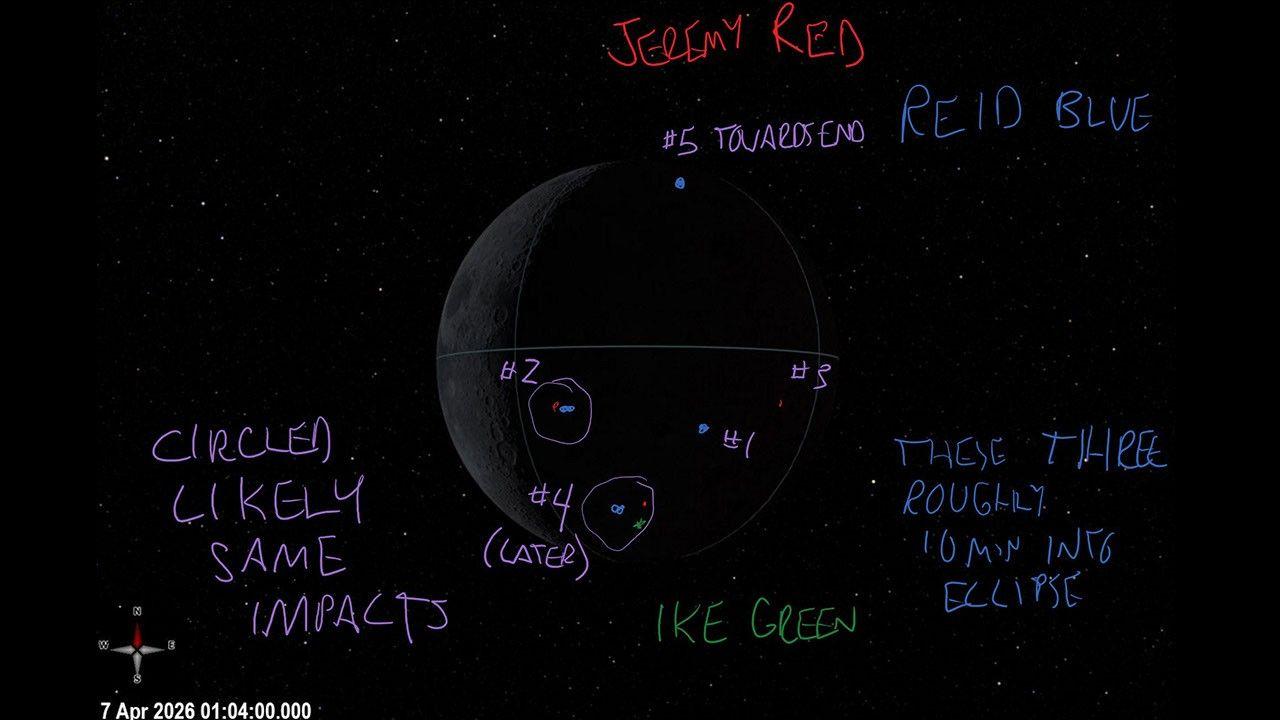
The idea came from the scientists. As part of the mission's science plan, they asked the crew to watch for tiny bursts of light on the lunar surface. Those flashes mark the moment a space rock slams into the ground. Three astronauts, Reid Wiseman, Victor Glover and Jeremy Hansen, caught five of them.
What stunned the researchers was the distance. Orion was about 46,000 miles from the Moon at the time, and the crew saw the flashes without any instrument. The science team first ruled out false leads, a cosmic ray or a reflection off the spacecraft, before confirming the sightings. Apollo astronauts had reported similar flashes from lunar orbit, but these are likely the faintest ever caught with the unaided eye.
Where does the light come from? The Moon has no atmosphere. Nothing slows or burns up an incoming object before it lands. A rock a couple of inches wide therefore hits the ground at full speed, thousands of miles per hour, and the energy of the impact bursts out in a single flash. From the brightness they observed, scientists estimate the incoming rocks were no more than a couple of inches across.
Why were the flashes visible at all? Because the darkness was nearly perfect. The Sun had just slipped behind the Moon, and Orion was flying over its far side. That black window, free of stray light, made bursts detectable that would normally drown in the glare of the lunar ground.
The payoff goes beyond the spectacle. Counting small impacts tells scientists how often they occur, a number that matters when assessing long-term risks to future lunar habitats and equipment.
A muted rainbow: what the ground is telling us
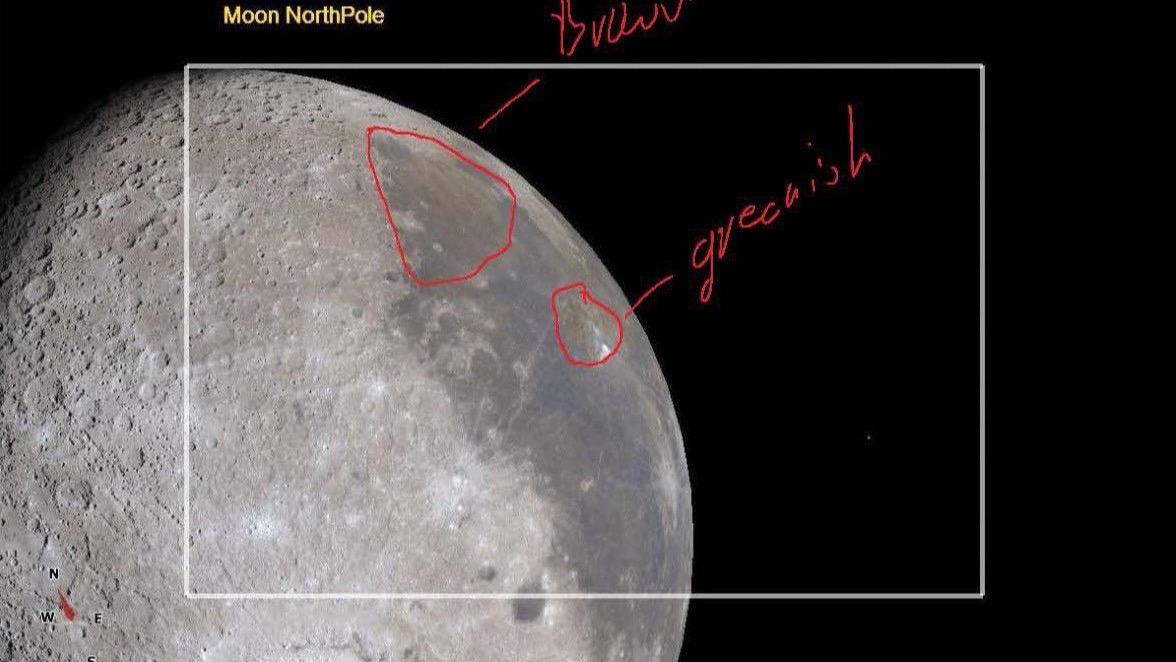
The mission's second harvest was colour. The crew described subtle shades of grey, black, brown, tan, white, green and blue across the lunar surface. Those hues are no decoration: they point to the rocks and minerals of each region and help piece together how the Moon, and by extension Earth, evolved.
The code is simple once you know it. Blues hint at volcanic rocks rich in titanium. Browns reflect varying levels of iron. Greens signal glass formed during volcanic eruptions or asteroid impacts. Scientists cross-check all of it against data from spacecraft orbiting the Moon, such as NASA's Lunar Reconnaissance Orbiter, to test what the human eye actually saw.
The hard part is not seeing, it is not being fooled. The same patch of ground does not look the same in the morning and in the evening, because the Sun's angle shifts the perceived tone, brightness and contrast. The crew had been trained to recognise those lighting effects, so as not to mistake a real geological clue for a trick of the light. That skill will become essential near the lunar South Pole, where the Sun skims the ground year-round.
The terminator, the boundary that reveals the terrain
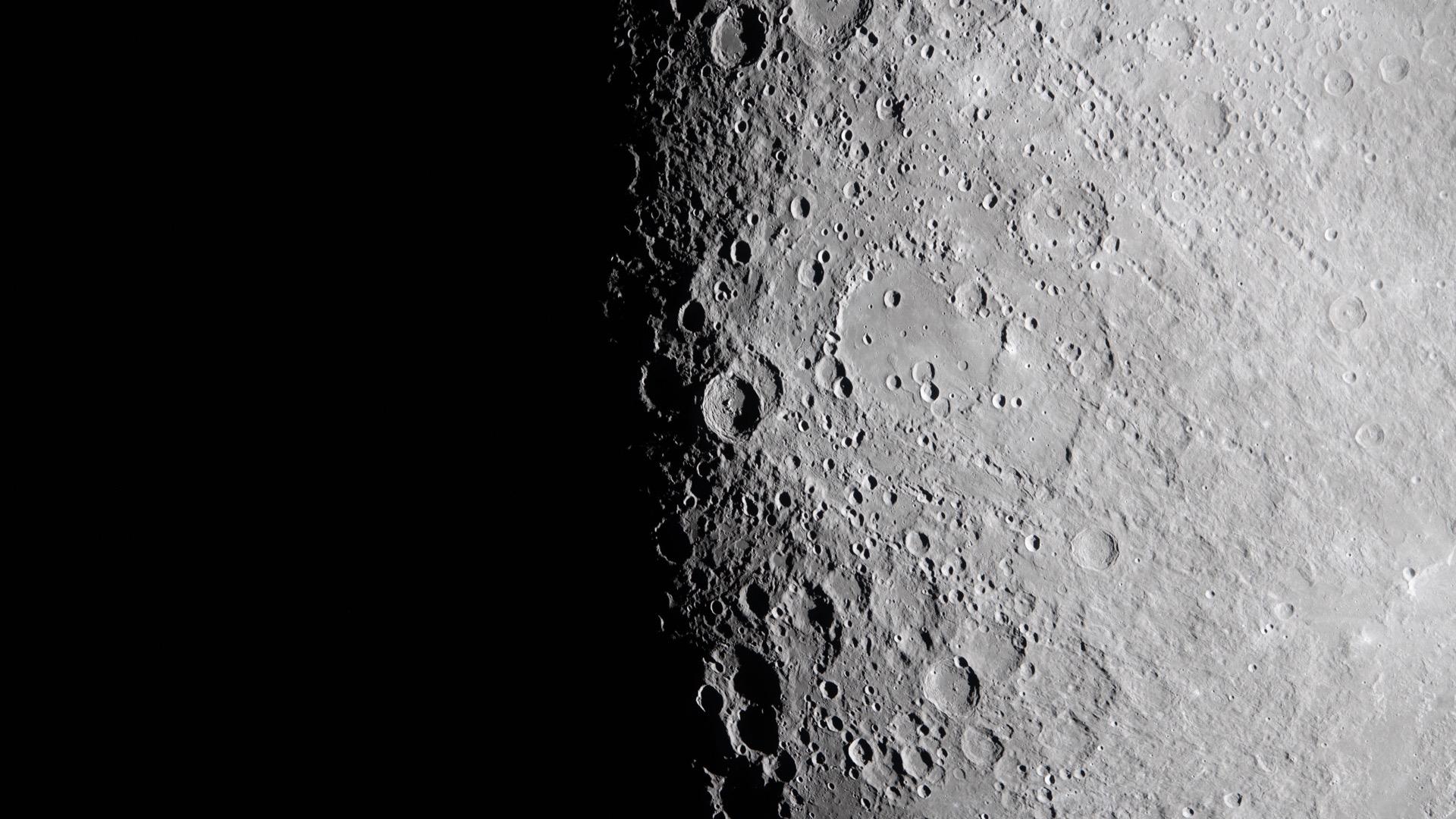
Among the targets the science team suggested, one left a deep mark on the crew: the terminator. Behind the technical name lies the shifting line between day and night on the Moon.
It is worth watching because sunlight arrives there at a very shallow angle, like a flashlight lying flat on a table. Features cast long shadows that outline craters and mountains far better than an overhead Sun would. Add the absence of atmosphere, oceans and vegetation to blur the view, and the crew could judge sizes, shapes and textures with rare sharpness.
"The terminator is the most striking thing I've seen so far," pilot Victor Glover reported during the flyby. His crewmate Christina Koch reacted the same way as mountains stood out along the Moon's glowing edge, backlit by the Sun. The large crater cutting across the middle of the terminator is called Carnot, and it spans nearly 80 miles.
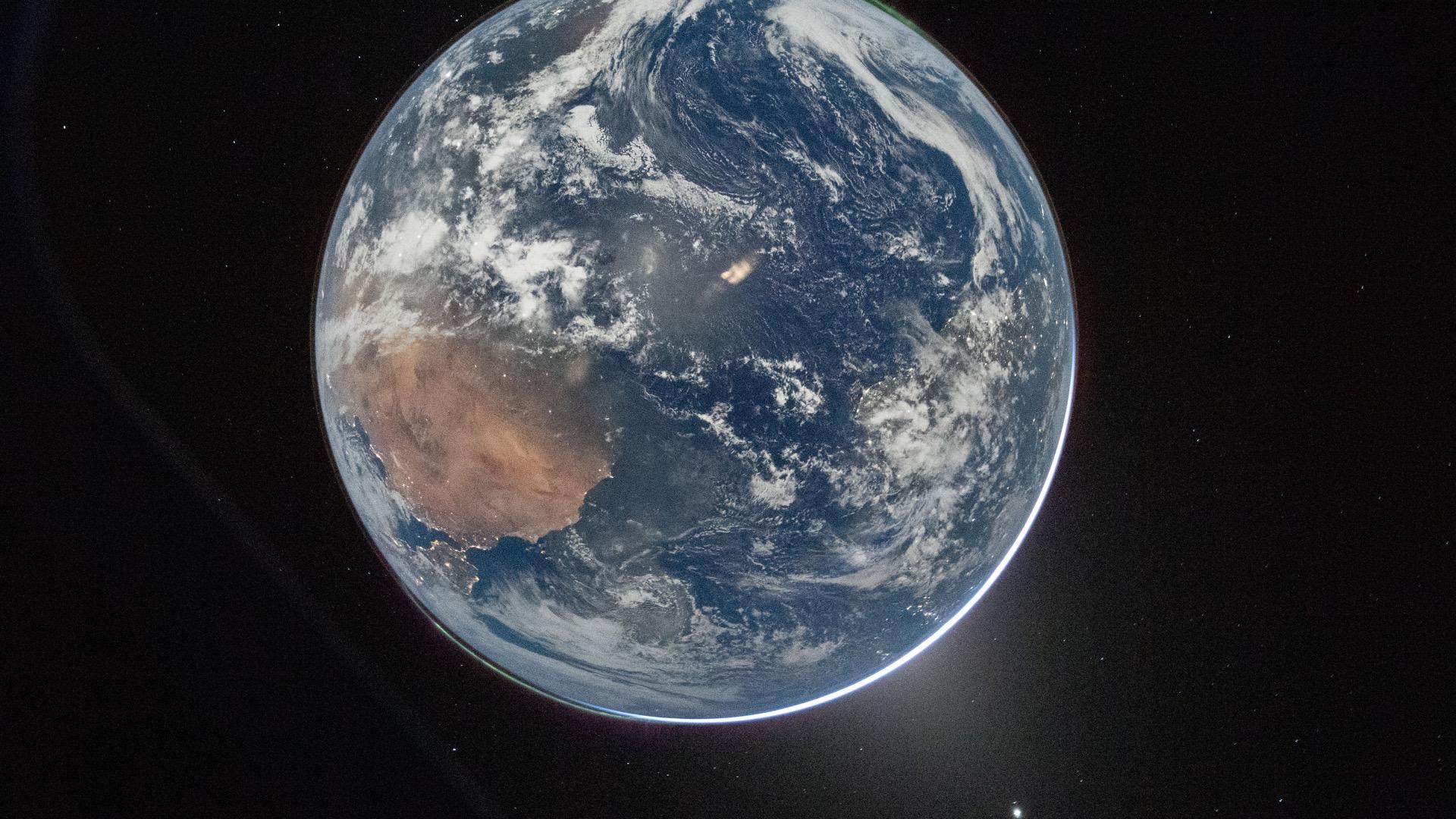
The comparison with Earth is telling. Earth's terminator looks blurred, because our atmosphere spreads sunlight into a gradual fade. On the airless Moon, the transition is abrupt and the terrain leaps out at once.
54 minutes to watch the solar corona
The third highlight was the eclipse. The Sun slipped behind the Moon and stayed there for 54 minutes. How can an eclipse last that long? From Earth it is over in minutes at most, because the Moon's shadow races across the planet and covers only a narrow strip.
For the crew, the geometry was different. The Moon looked huge and seemed motionless in the sky. Orion remained inside its shadow, like a plane following a cloud's shadow instead of crossing it. The result was nearly an hour of night in the middle of the day.
That long blackout opened a rare observation window. Normally, the Sun's glare drowns out most faint objects nearby. With the Sun blotted out, the crew could pick out planets such as Mars and Saturn, stars, galaxies, and a soft glow called zodiacal light, produced by interplanetary dust reflecting sunlight.
The best catch was the corona. This is the Sun's outer atmosphere, a diffuse envelope of plasma, meaning matter heated until its atoms lose their electrons. It is normally visible only through specialised instruments, or during the few minutes of an eclipse seen from Earth. Scientists still do not fully understand why it is millions of degrees hotter than the Sun's surface, nor how it drives plasma out into space so fast. That solar wind shapes space weather, which can disrupt satellite electronics and endanger astronauts.
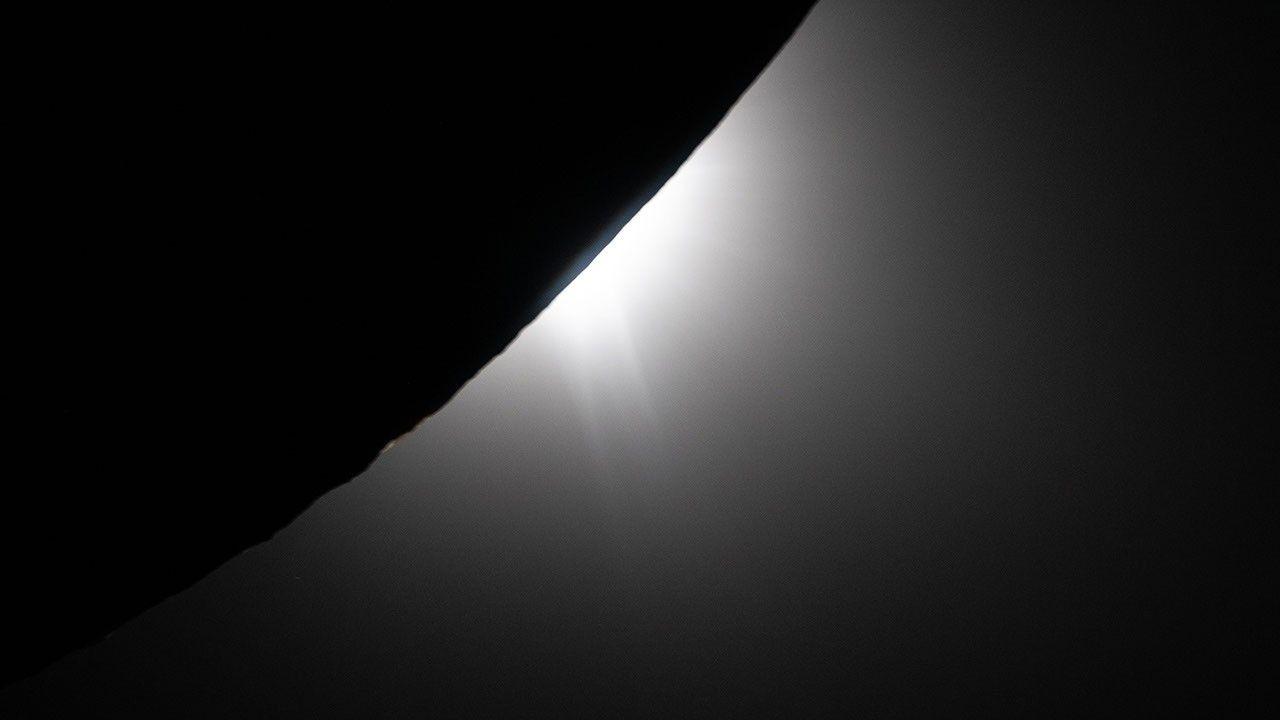
The crew did more than admire the sight. Jeremy Hansen annotated a pulsing streamer in the corona on an image, and even photographed it with the spacecraft's handheld cameras. That direct look at the changing structure of the corona is valuable for anyone trying to model the part of the Sun that drives our space weather.
A relay race, not a finish line
The report goes beyond memories. It documents a way of working. The crew's images were matched to their exact locations on the Moon, then laid over a global map built from Lunar Reconnaissance Orbiter data. Topography, surface roughness, rock abundance and brightness from that same spacecraft's instruments then stack on top. One region can be read layer after layer.
Artemis II also served as a test bench. The mission put new ways of weaving science into a crewed flight through their paces: dedicated teams, facilities, training approaches and even a new flight controller role. The goal was to see how astronauts and scientists on the ground work together during a lunar mission.
This haul joins decades of measurements by robotic spacecraft and human explorers before them. The reports published in early October 2026 are the latest links in a long chain of handoffs, and they lay the groundwork for the Artemis missions to come, when astronauts will take on ever more complex science roles and eventually work directly on the lunar surface.
Going further
- The key ideas in this article: the Moon, eclipses and the Sun in our glossary.
- Another eye on the Moon, this time at ground level: the Chandrayaan-3 page, the most recent lunar landing in our catalogue.
- Another angle on that same Moon, as an archive of the Galaxy: our article on technosignatures in lunar dust.
- The Moon is out tonight, no capsule required: our interactive sky map and its observing guide.
- This article's official sources: NASA's Artemis II Preliminary Lunar Science Report, and the mission's data and resources page feeding into the Planetary Data System.