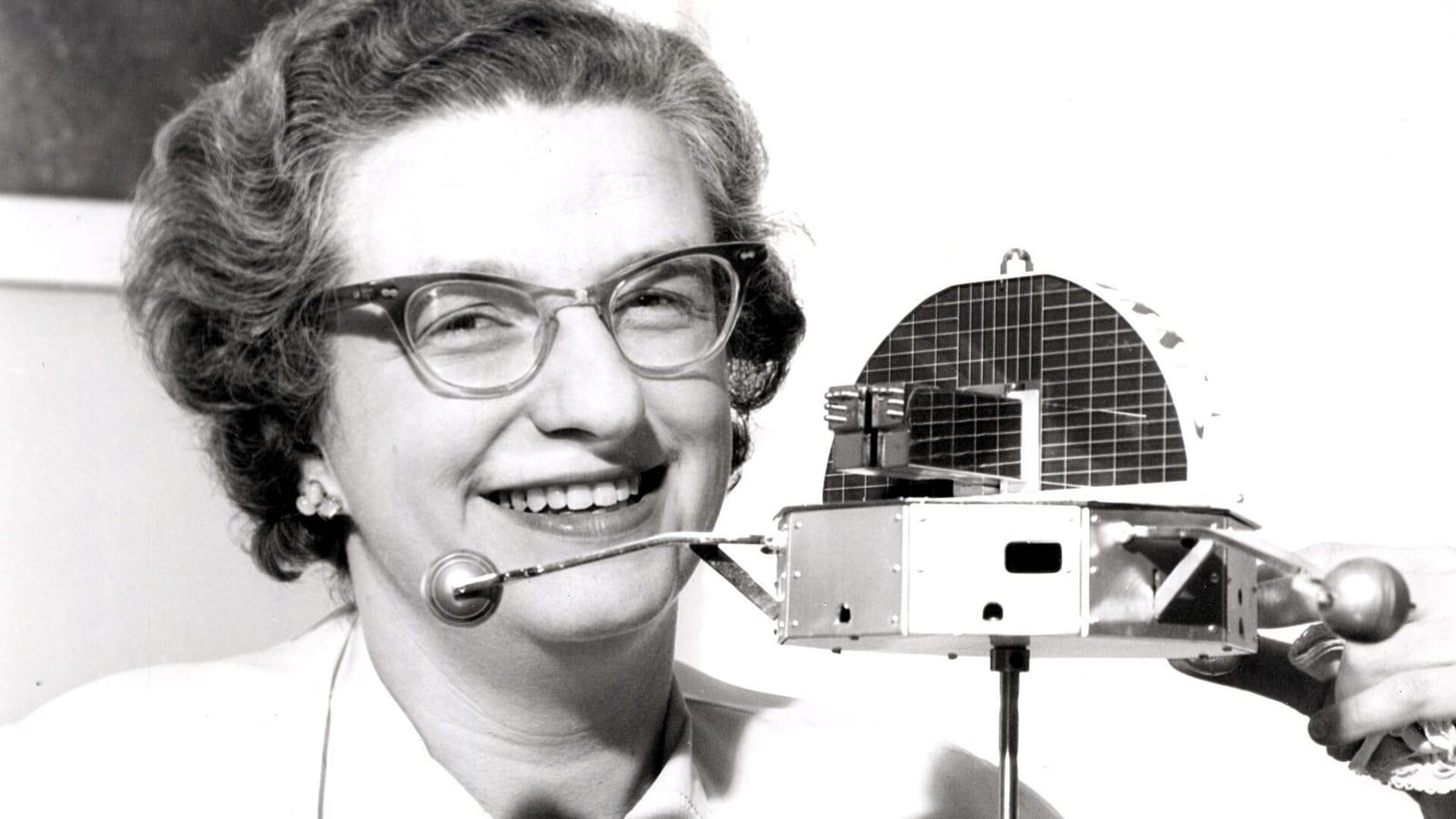
She never flew a rocket, and she never saw her telescope lift off, yet NASA named its flagship astrophysics observatory, launched on August 30, 2026, after her. Joining the agency six months after its 1959 founding, Nancy Grace Roman built America's space astronomy program from scratch, sold Hubble to Congress, and picked the sensor technology that opened the digital imaging era. This is the portrait of an astronomer who chose to build the observatory rather than observe through it.
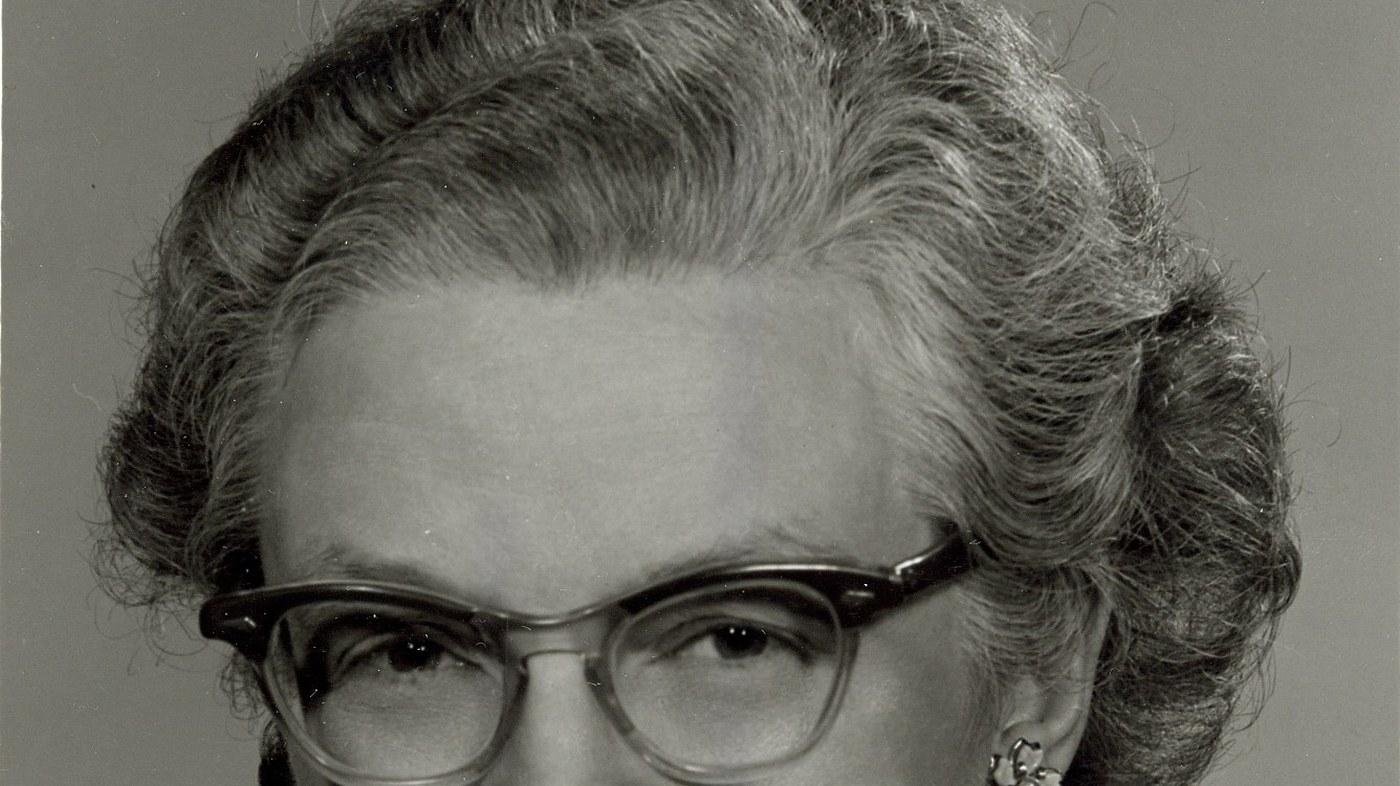
One woman drew the blueprint of 30 years of American space astronomy
Between 1960 and 1979, nearly every astronomy mission at NASA crossed her desk. The record, documented by the AIP physics archives, is staggering: about twenty scientific satellites, orbiting observatories that surveyed the Sun, the stars and the Milky Way, and the seed of an idea that sounded reckless at the time, a giant telescope floating above the atmosphere. She knew exactly why it had to go up there: the atmosphere blurs starlight, the way the surface of a swimming pool scrambles the patterns at the bottom. To see sharp, get above it.
Space astronomy had no dedicated program when Roman took office. She built one: a pipeline of projects, committees of scientists, budgets to negotiate, and rockets to test the instruments. Her colleagues gave her a nickname that stuck, the "mother of Hubble". It came from Ed Weiler, her successor as chief of astronomy, who proposed it in mirror of Lyman Spitzer, the telescope's "father", the Princeton physicist who had championed the idea since the 1940s. The fact stands: without Roman's work, Hubble would have happened differently, or later.
The spark: constellations learned from her mother
Astronomy entered her life through her mother's window. Georgia Roman, a music teacher, took her daughter out to watch the stars and the northern lights on long walks in northern Michigan. Nancy kept that memory all her life, with a dose of humor: she blamed her mother for handing down the fascination, and her mother would reply that she had also shown her the birds and the trees, with no such effect. At 11, Nancy organized her friends into an astronomy club. By 13, the choice was made: she would be an astronomer.
What followed was a series of closed doors. A high school guidance counselor who sneered: "What lady would take mathematics instead of Latin?" A college physics professor who tried to talk her out of it, conceding only that she "might" make it. At the University of Chicago, where she defended her PhD in 1949 and taught for six more years, she saw that no woman had ever earned tenure in astronomy there. She drew a clear-eyed conclusion: staying in academia meant staying second-class. In 1955 she left research for the Naval Research Laboratory, where radio astronomy, the study of the universe through its radio waves, was in its infancy. There she mapped the Milky Way at a frequency of 440 megahertz and sharpened the Earth-Moon distance by analyzing radar echoes bounced off the Moon.
Starlight fingerprints: the sorting that revealed two stellar families
Before NASA, Roman was a researcher. Her hunting ground, the structure of the Milky Way, our galaxy seen from the inside, is a hard one to observe: you cannot step outside your own galaxy to look back. Her tool was spectroscopy, which splits a star's light the way a prism splits a sunbeam, to read its chemical makeup. Each chemical element stamps dark lines, a signature, into the spread-out light.
At Yerkes Observatory in Wisconsin, she analyzed hundreds of spectra of nearby stars. In 1950, she published in The Astrophysical Journal an analysis that made her name: sorting F- and G-type stars, stars with temperatures close to the Sun's, by the strength of their metal lines, she found two distinct families. One, rich in elements heavier than hydrogen, circles the galactic center on regular orbits, like the Sun. The other, poorer in metals, follows tilted trajectories that stray far above and below the galactic plane. The consequence is huge: the stars with fewer heavy elements are the older ones, because those elements are forged inside stars over generations. Those two families tell the story of how our galaxy came to be. Roman summed it up herself, decades later, in a NASA interview: that was the first sign that ordinary stars, seemingly alike, are not all the same age.
That two-population picture had been sketched before her, from stellar motions. What Roman added was the chemical proof: the direct link between what stars are made of and the shape of their orbits. The result has since become a pillar of our understanding of the Milky Way, and astronomers today call these families Population I and Population II.
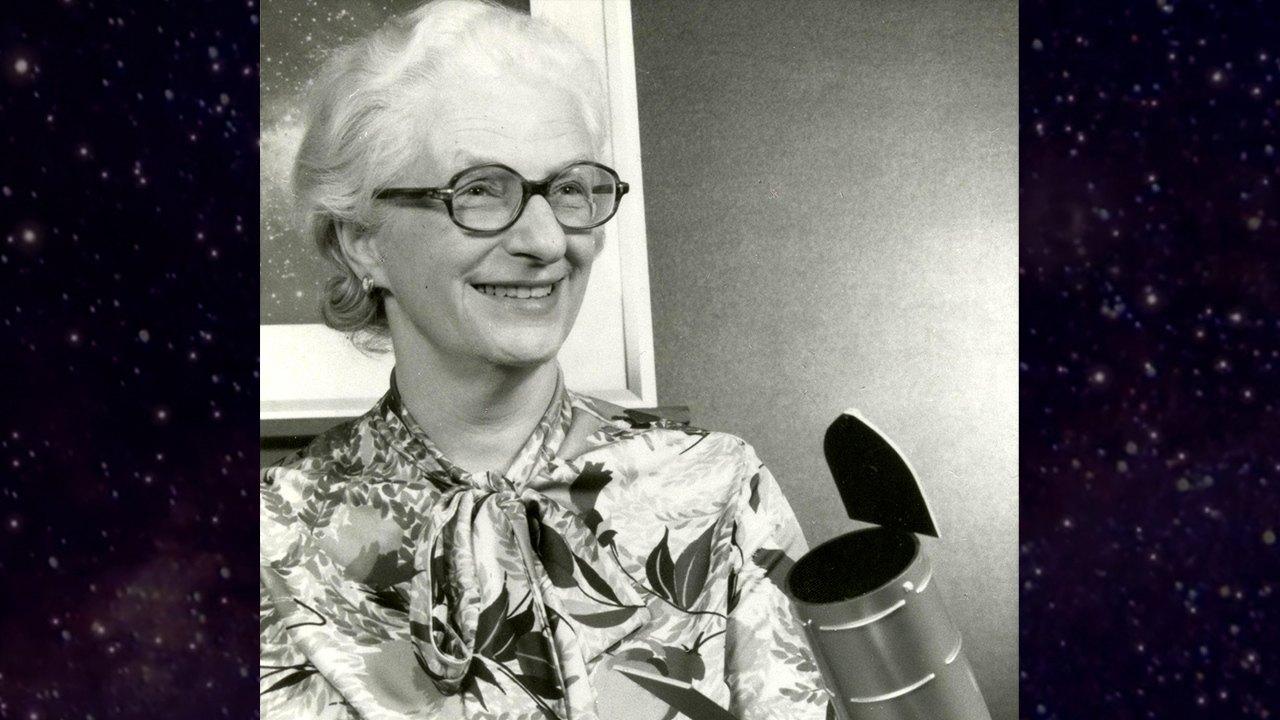
Hubble: a twenty-year battle for a telescope in space
In the 1960s, a space telescope was an idea with no budget, no proven technology and no owner. Congress funded projects case by case, and NASA's priorities leaned toward crewed missions. Roman picked the sturdiest path: gather astronomers and engineers around a precise set of requirements. Her approach was rigorous to the point of bureaucratic, and that was its strength: she compiled the scientific needs into a minimum list of performance targets, which she treated as a floor in negotiations with policymakers.
She won on a point that looked secondary at the time and turned out decisive: the image sensors. Against the cautious camp, she pushed for CCDs, chips that turn light into an electrical signal pixel by pixel. The technology was young and considered risky. It opened the door to digital imaging: the sensors in our cameras, our phones and today's space telescopes all descend from that lineage. The CCD's inventors, Willard Boyle and George Smith, received the 2009 Nobel Prize in Physics.
Another institutional legacy: Roman fought for the telescope's science to be run by an independent institute, not by NASA's internal centers. That fight paid off in 1981, two years after she left, with the creation of the Space Telescope Science Institute, STScI, in Baltimore. Today that institute manages the data of Hubble, Webb and Roman, and publishes them in an open archive, the MAST database, available to every astronomer on the planet. Any researcher who downloads a Hubble image passes through a structure Roman defended.
Roman, the telescope that carries her name: the legacy in flight
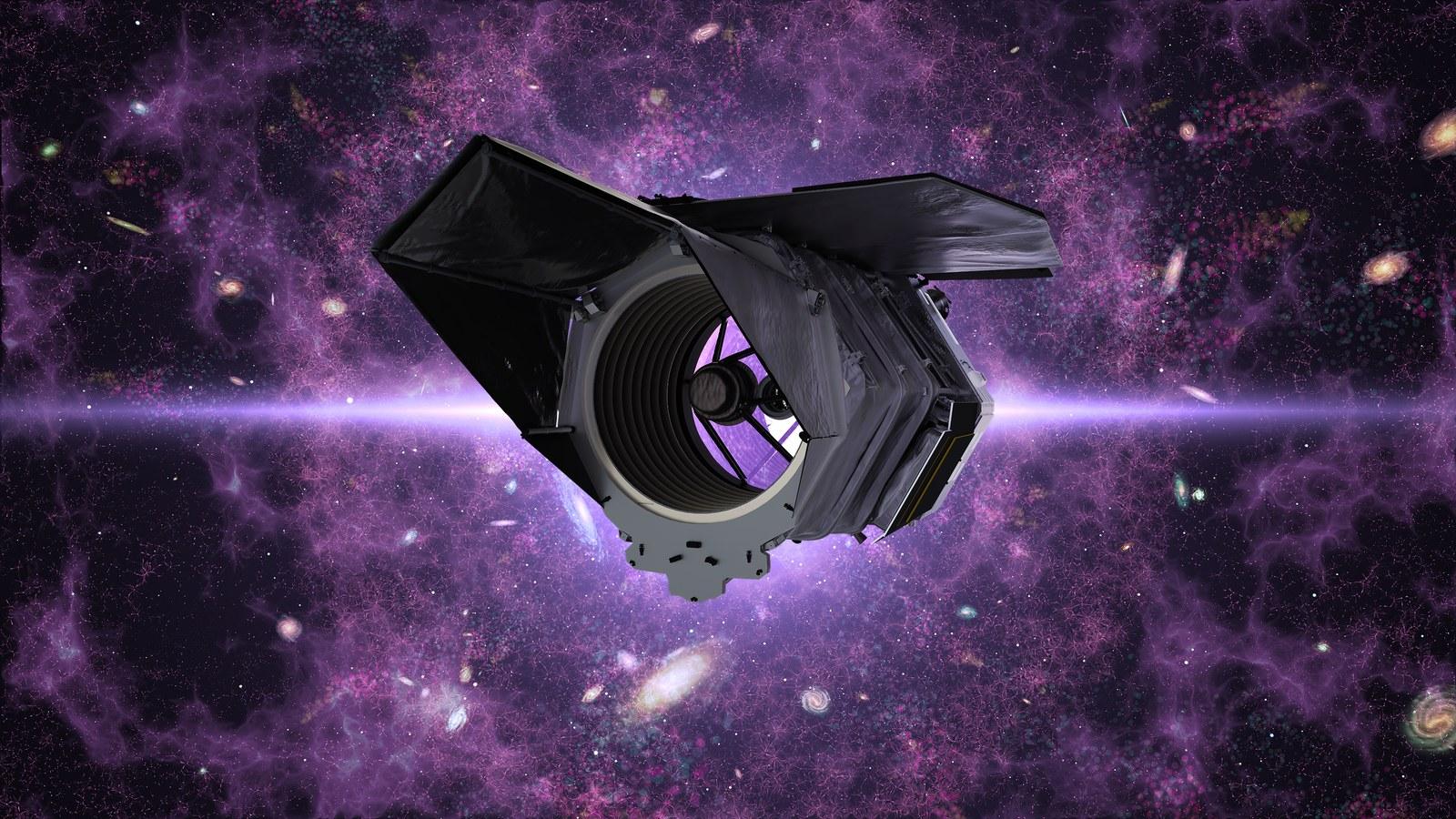
On May 20, 2020, NASA renamed WFIRST, its future flagship infrared observatory, the Nancy Grace Roman Space Telescope. It is the first time one of the agency's major observatories carries the name of a woman astronomer. The announcement quoted Jim Bridenstine, NASA's administrator at the time: without her leadership and vision, the agency would never have launched the space telescope that became "the world's most powerful and productive".
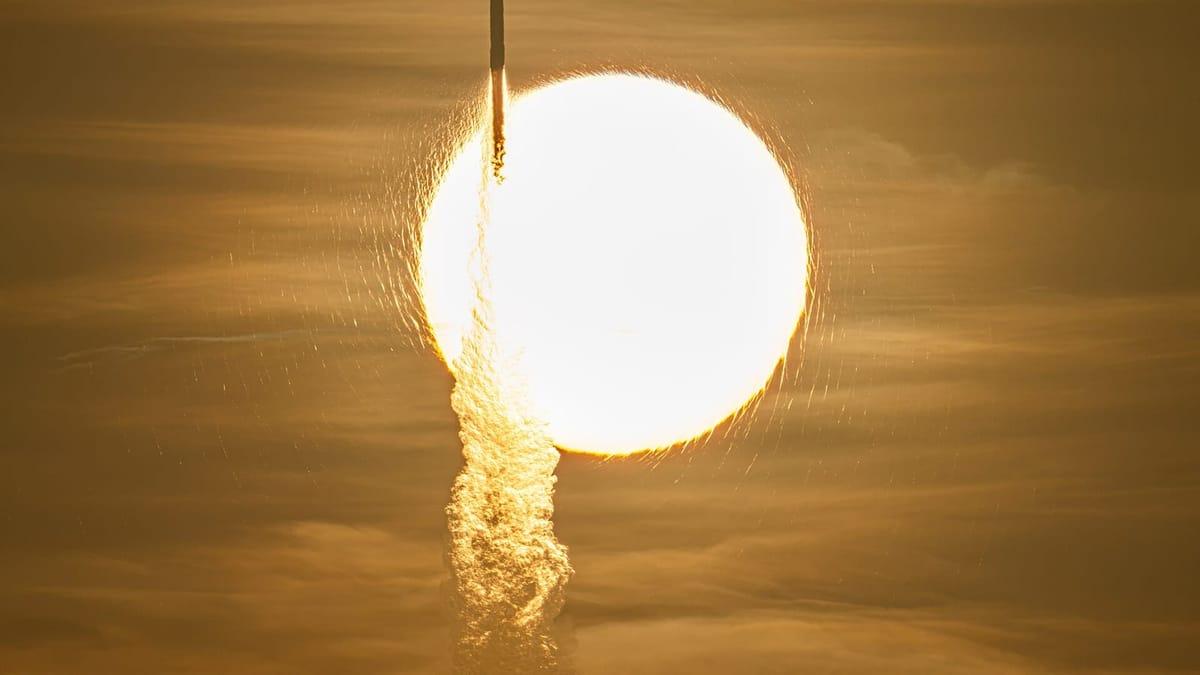
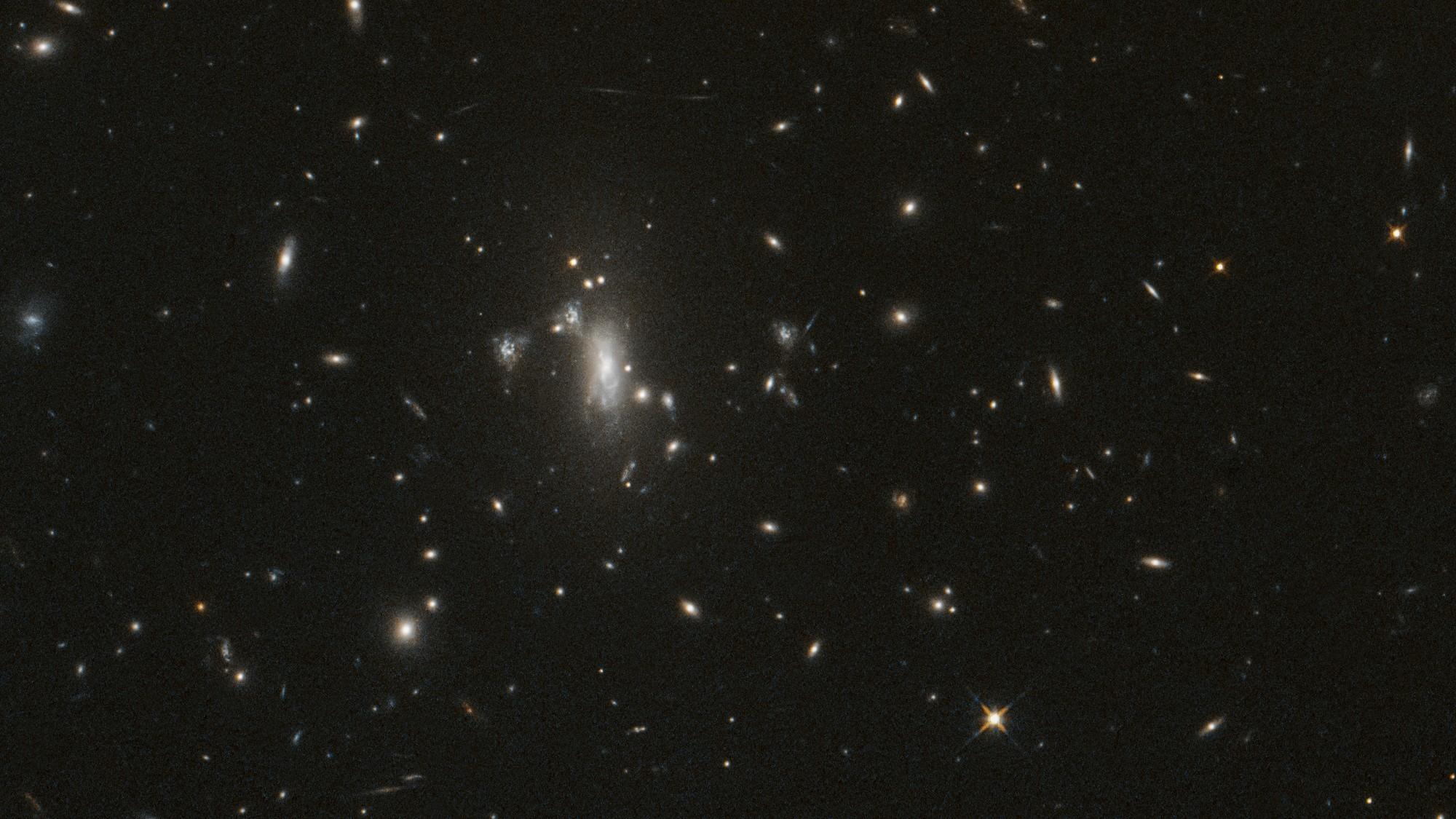
The telescope launched on August 30, 2026 on a Falcon Heavy, from pad 39A, the one that flew Apollo 11. Its missions carry Roman's signature: a field of view 100 times wider than Hubble, a map of dark energy and dark matter, the universe's two invisible ingredients, and a census of exoplanets, planets orbiting other stars, through gravitational microlensing, a natural magnifying glass that forms when one star lines up in front of another. First images are expected in early 2027.
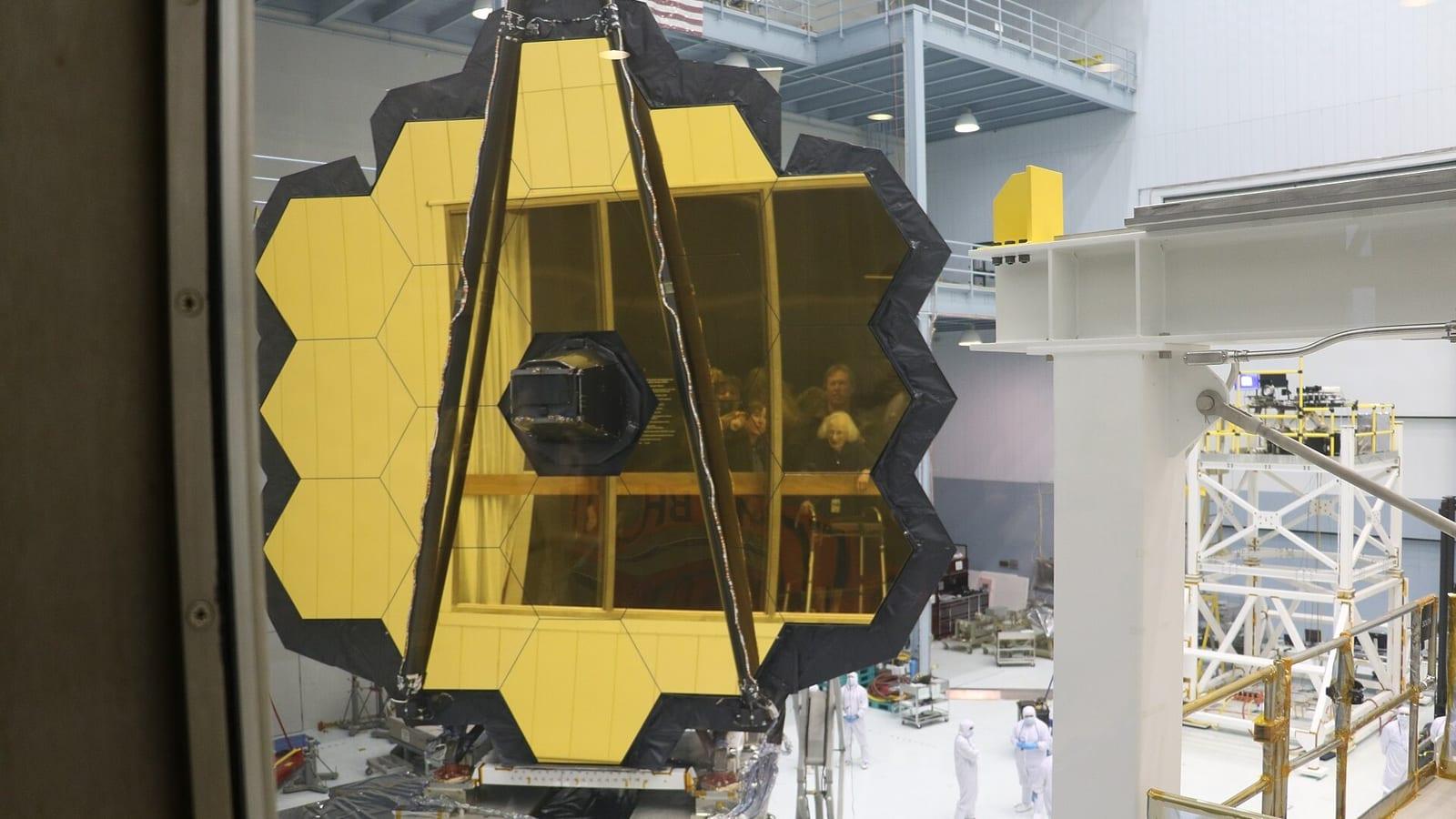
The loop closes in another way too, quieter but deeper. Roman always argued that science data should be public. The telescope bearing her name follows that rule: its 20 petabytes of data, roughly 20 million gigabytes, will land in the public MAST archive at STScI and become available immediately, with no exclusive period. Any researcher, any student, any well-equipped amateur can dig into that treasure. Roman's kind of science, putting telescopes in orbit and then opening the data, has become a worldwide research standard.
That legacy even has a citizen-science branch. With such a torrent of data, NASA is counting on machine learning, software that learns to recognize patterns from examples, but also on volunteers to sort the finds. Citizen projects like Roman's rogue planet hunt have already proven the method: thousands of volunteers helped classify light curves from existing telescopes. Roman's open approach reaches all the way into living rooms, where it started when an 11-year-old organized her astronomy club.
Legacy: three concrete outcomes, from the Nobel to open archives
The impact of Roman shows up in what runs today, well beyond the tributes.
- Digital imaging: the CCD sensors Roman pushed for Hubble, the ones that capture light by turning it into an electrical signal, transformed photography. They earned their inventors the 2009 Nobel Prize in Physics, and their CMOS descendants now sit in our phones and our backyard telescopes.
- The playbook for flagship astronomy missions: the Roman method, a science-driven requirements list, selection committees, a budget defended before politicians, became NASA's standard procedure for major astrophysics missions. Webb, launched in 2021, is a direct descendant of that process.
- Open archives: the STScI institute, whose creation Roman championed, hosts the data of more than 20 space and ground missions in its MAST archive, and hands out the data of Hubble, Webb and Roman for free. The rule of immediate public release for Roman's data is a direct legacy of her philosophy.
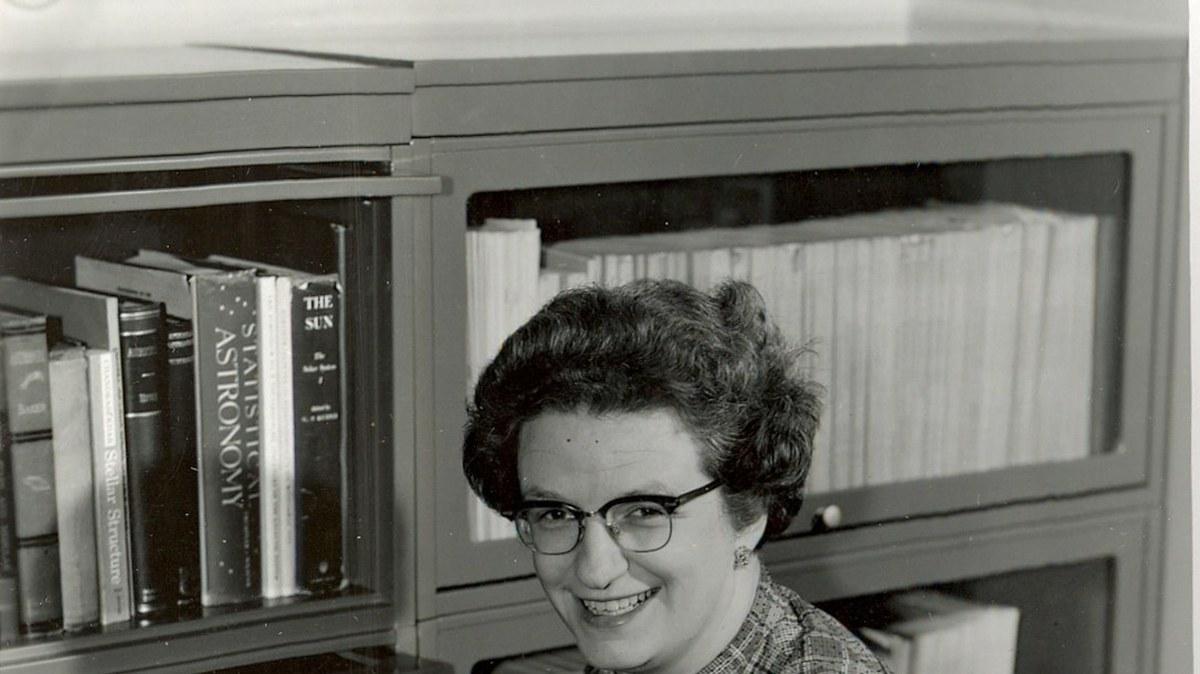
And one immeasurable inheritance: every major NASA space astronomy decision since Hubble goes through independent scientific review, a budget defended before politicians, and a promise of open data. Roman invented that three-part playbook by practicing it. When the first images from the telescope bearing her name arrive in early 2027, every panoramic shot will be both a discovery and the execution of her plan.
Going further
- NASA's page on Nancy Grace Roman, the main source for this article: NASA Science.
- The official "Who is Nancy Grace Roman?" page: NASA Science.
- The telescope that carries her name: Roman, tracked in our spacecraft catalog.
- The telescope she fought for: Hubble, 30+ years of observations.
- The terms worth knowing: space telescope, spectroscopy, exoplanet and infrared.
- Our scientists index, where Nancy Grace Roman is also featured: our scientists.
- To observe the stars she mapped across the Milky Way yourself: our interactive sky map and our astrophotography gallery.