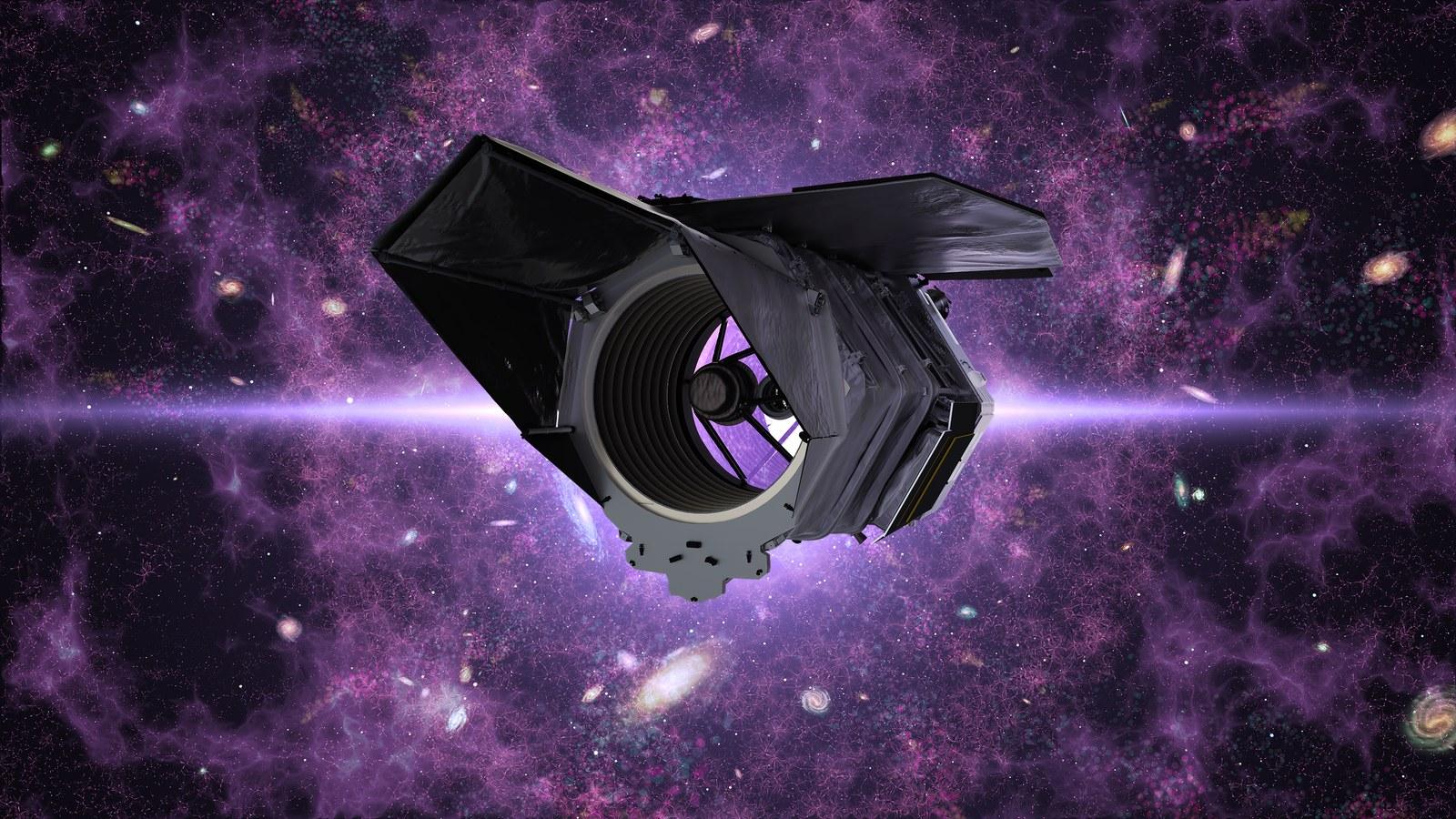
On November 13, 2026, NASA announced that both instruments on the Nancy Grace Roman Space Telescope were aligned. The Wide Field Instrument and the Coronagraph Instrument are now set relative to each other and to the telescope's mirrors. The milestone will not produce a striking galaxy image of its own, yet it decides how sharp every future image will be. The next task is mechanical: the coronagraph's deformable mirrors and the more than 3,000 tiny moving parts that drive them.
Ten times steadier than Hubble: the requirement behind the milestone
A space telescope does not take a picture the way a phone does. It gathers light for minutes, sometimes hours, holding the same patch of sky in view. If the observatory drifts during that exposure, stars smudge and galaxies lose their fine structure. Stability matters as much as the size of the mirror.
Roman cannot settle for good enough. It has to be at least ten times more stable than Hubble or the James Webb Space Telescope. "Roman requires exquisite alignment because it has to be at least ten times more stable than our Hubble or Webb space telescopes to conduct the science it's setting out to do," said Dominic Benford, Roman's program scientist at NASA Headquarters in Washington.
That demand follows from the kind of science Roman is built for. To map dark matter and dark energy, it could photograph up to a billion galaxies and compare their shapes over time. A tiny pointing error becomes an error in the measured shape. The Wide Field Instrument, Roman's main camera, packs 18 detectors and 300 megapixels. It has to capture those galaxies and guide the telescope at the same time.
A map, guide stars and adjustments too small to see
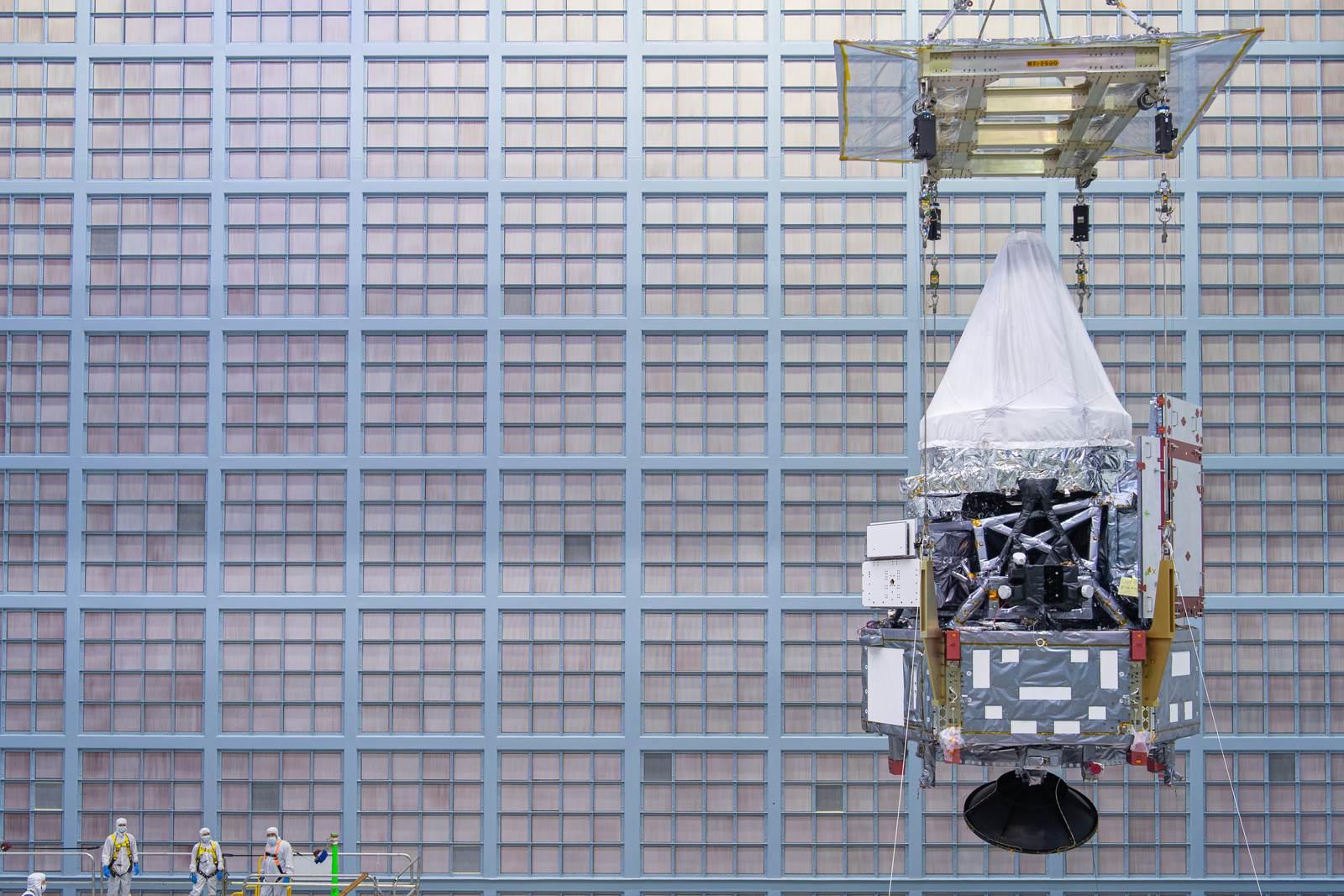
Nobody aligns a telescope by eye. The team pointed Roman at stars whose positions are known with extreme precision, then compared where those stars landed on the detectors with where they were supposed to land. The difference told engineers which adjustment to make. The campaign also refreshed the observatory's internal map, its detailed record of where every mirror and instrument sits.
The principle is close to navigation by lighthouses. Guide stars act as fixed landmarks, and the telescope holds its course by keeping them in the right place. "The 18 detectors in the Wide Field Instrument are meant to work together when we're locking onto guide stars," said Tyler Desjardins, an astrophysicist working on Roman at the Space Telescope Science Institute in Baltimore. If the map is wrong about one star's position, guiding suffers and the telescope drifts.
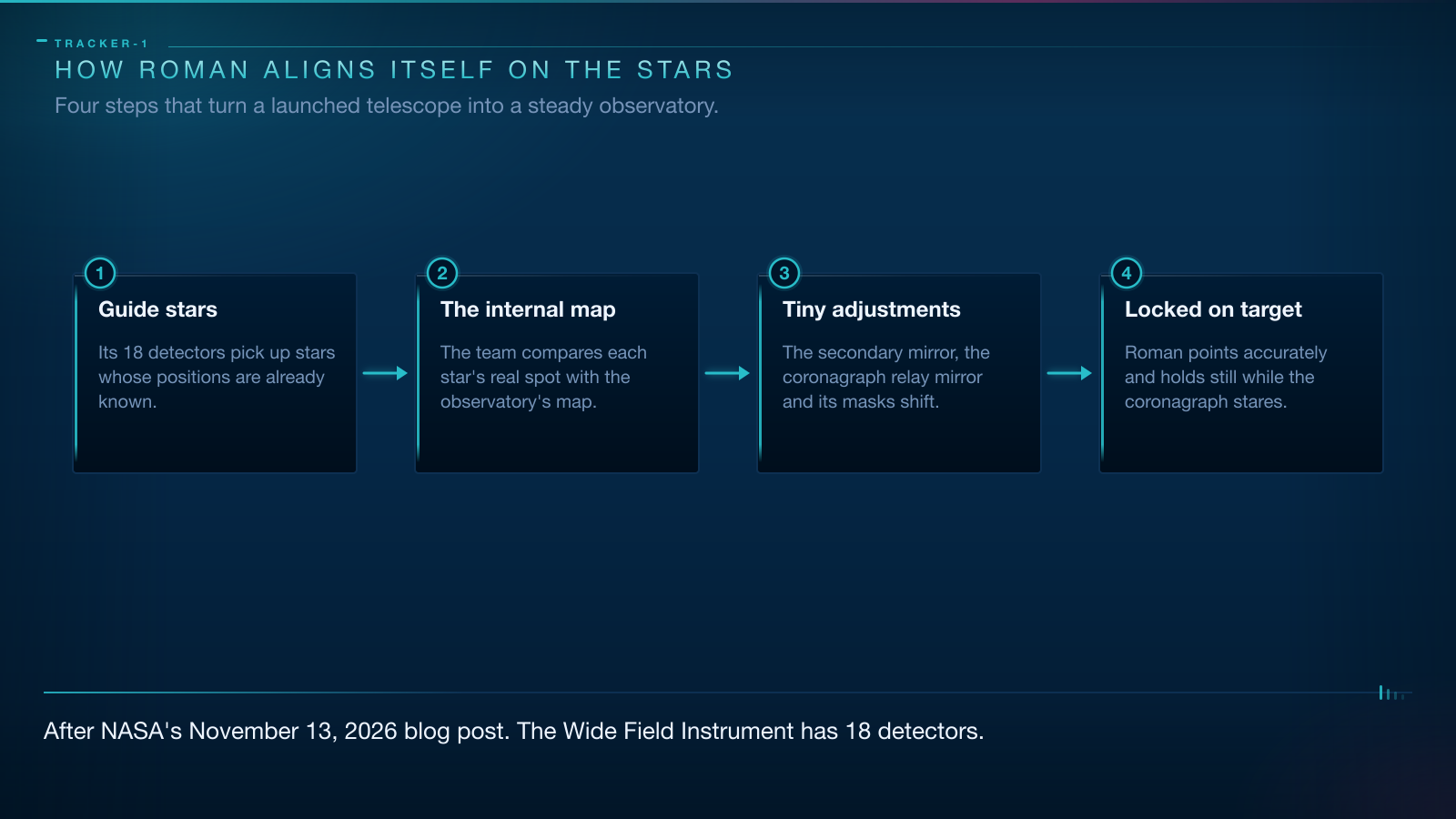
With the offsets measured, engineers moved the secondary mirror, the large mirror that sends light down to the instruments. They also adjusted a smaller mirror that links the telescope to the coronagraph, along with the masks and optics inside the instrument. The correction was minute. "Roman is now internally aligned to within a tiny fraction of a hair's breadth of perfection," said Tony Sohn, an astronomer working on Roman at the Space Telescope Science Institute.
The result does double duty. The Wide Field Instrument is not only the main camera. It also serves as the guider, tracking stars to help the telescope point and stay still. While the coronagraph images a nearby star, the Wide Field Instrument keeps watching stars in a neighboring patch of sky. That constant reference keeps the observatory steady without a separate guiding system.
The coronagraph's next lesson: 3,000 moving parts working as one
The coronagraph is Roman's other instrument. Its job is to block a star's glare so that planets and dusty disks around it can appear. The idea sounds simple, like holding a hand in front of a lamp. Light does not cooperate that easily. Because it travels as a wave, it spills around the mask and floods the very region where planets hide.
"The wave nature of light makes starlight spill when forming images, flowing into areas surrounding the star where planets could be found," said Brian Kern, an optical engineer working on Roman at NASA's Jet Propulsion Laboratory in Southern California. Masks absorb and redirect part of that spilled light. For the rest, the coronagraph relies on its deformable mirrors.
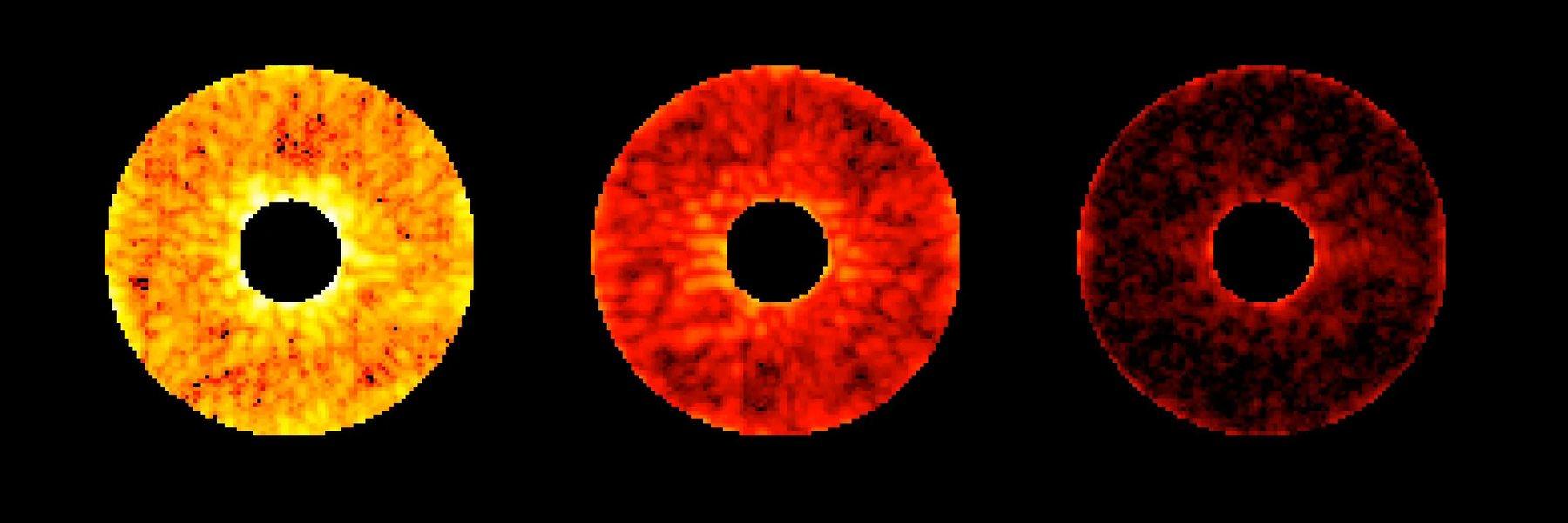
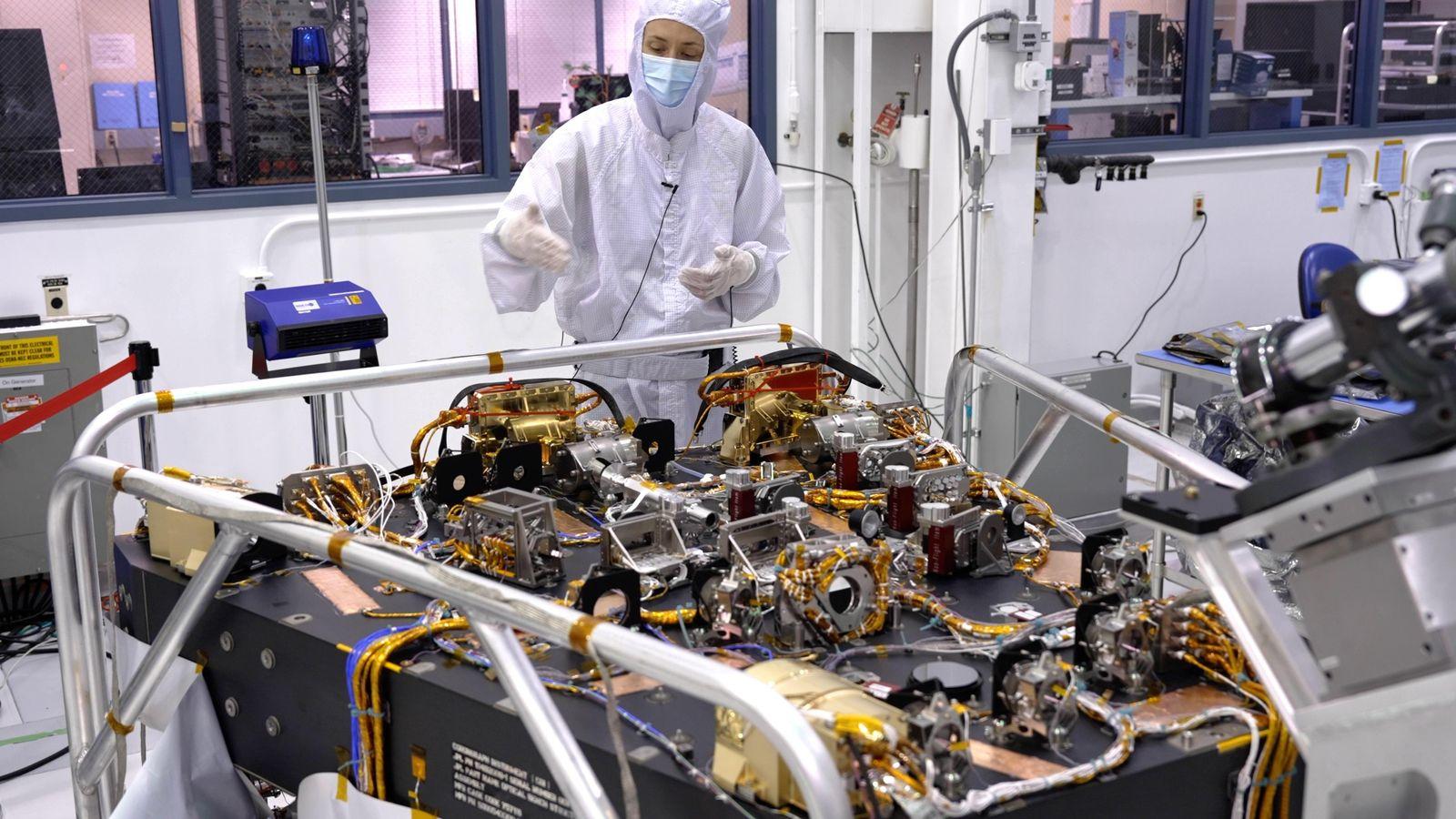
These mirrors are not rigid surfaces. Their shape is adjusted continuously by tiny actuators. NASA describes more than 3,000 small moving parts that have to be exercised to drive them. By changing the surface by a few nanometers, the mirrors correct the ripples in the incoming light and push the starlight out of the way while letting planetary light through.
The next test is to make more than 3,000 parts work together in space. The technique has already worked in a laboratory, inside an environment built to mimic the vacuum and cold of space. "We have demonstrated this in a lab using an artificial space environment, but the second stage of active starlight control in space, with real starlight and real planets, will be a record-breaking first-time accomplishment," Kern said.
There is a bonus attached. While the coronagraph stares at a star for a long time, the Wide Field Instrument watches the sky beside it. Those long stares deliver unexpected deep fields that no one had to schedule. "We'll get a random sampling of bonus deep fields alongside those observations for free," Benford said.
Going further
- Follow the telescope and its instruments: Nancy Grace Roman, with its mission page and key figures.
- The concepts behind this alignment: space telescope, coronagraph and infrared.
- For a night under the sky, try our interactive sky map, our observing guide and the astrophotography gallery.
- The official sources for this article: NASA's November 13, 2026 blog post, the August 30, 2026 launch release and the Roman mission page.