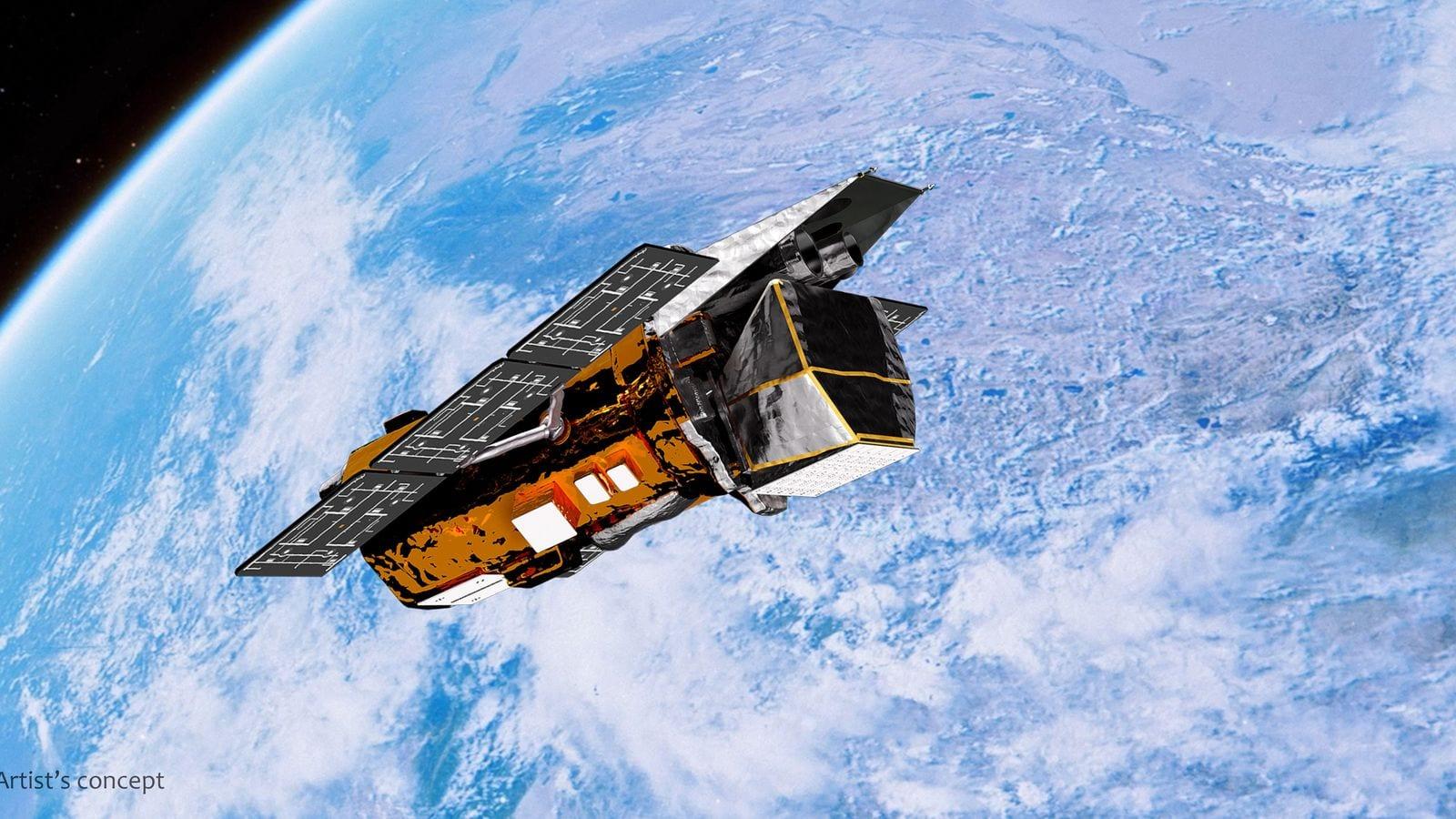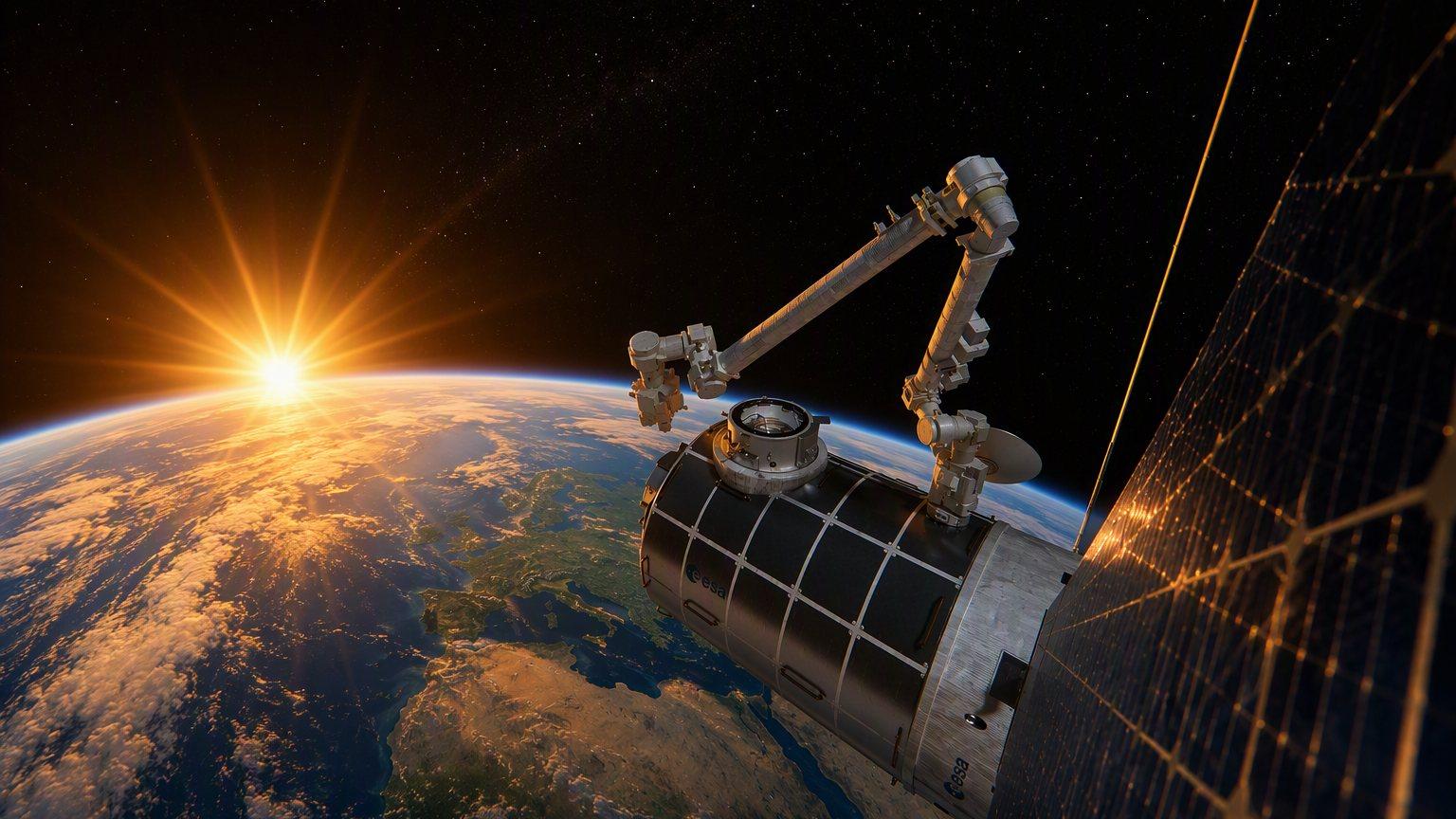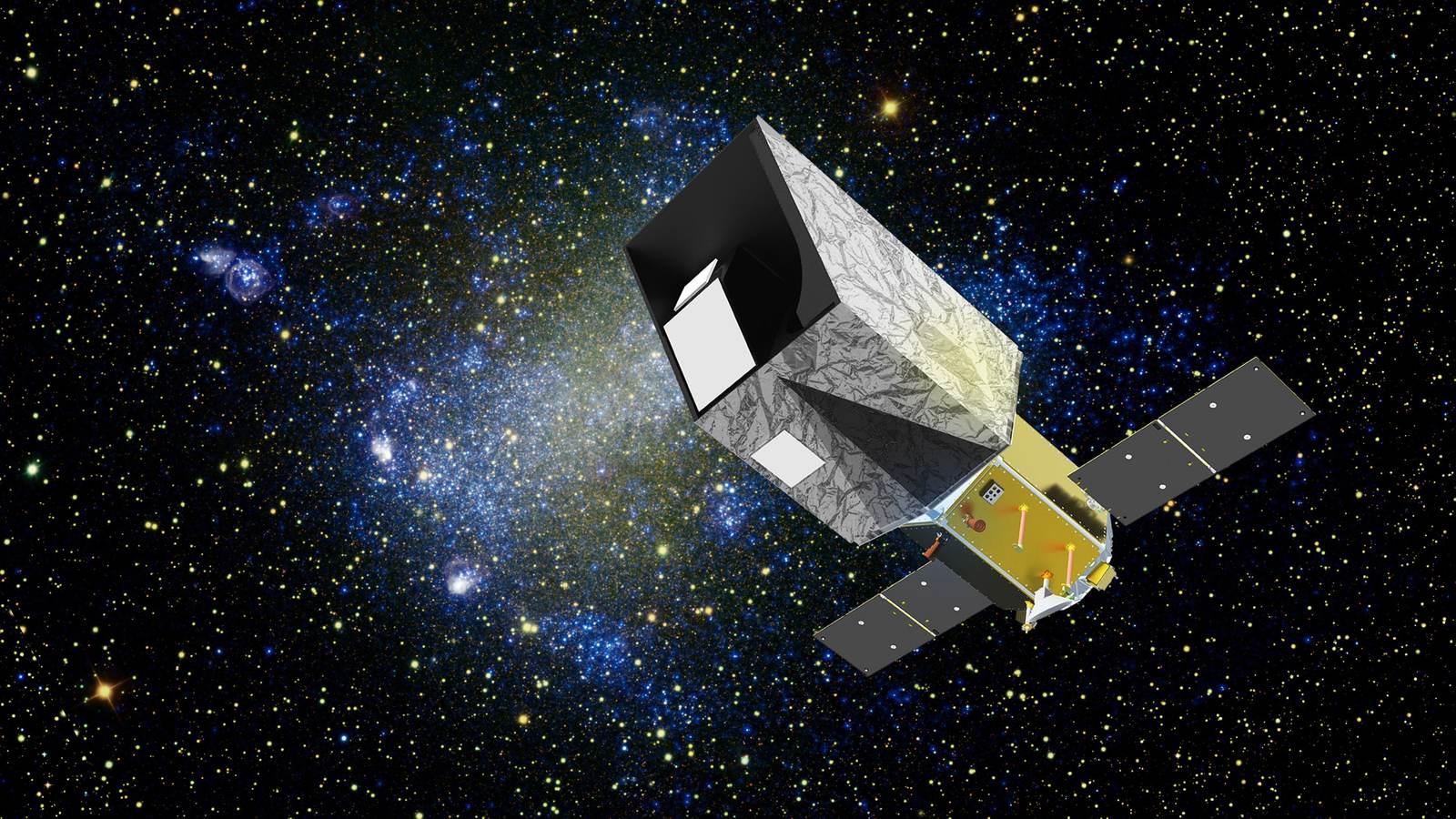
On October 27, 2026, NASA committed to UVEX, short for UltraViolet EXplorer. After a review known as Key Decision Point C, the agency fixed a total lifecycle cost of $590M and a launch no later than January 2031. The telescope will build the first deep map of the entire sky in ultraviolet light, a slice of the spectrum that Earth's atmosphere hides from the ground. It is also one of the few observatories designed to swing around within hours, toward the glow that follows two neutron stars colliding.
What the KDP-C review actually changes
Until this week, UVEX was a mission under study. NASA picked it in 2024 as a Medium-Class Explorer, one of the agency's mid-size science missions. Key Decision Point C is where the paperwork changes hands. NASA stops paying for a design and starts paying for a machine.
The numbers are now on the table. $590M for the whole lifecycle, development, launch and operations included, and a liftoff no later than January 2031.

Read that date carefully. NASA commits to a launch no later than January 2031, not to a specific day. It is a deadline, the one the budget is built around. A team still has to assemble a telescope, a spacecraft and a new family of detectors, and the wording leaves room for that work.
Why ultraviolet, and why it has to leave the ground
Ultraviolet sits just past violet, invisible to the human eye. It is the light that reddens and burns skin in summer. Its photons, the individual grains of light, carry up to several dozen times more energy than visible ones, as Caltech points out.
That energy makes ultraviolet a useful messenger. Young, hot stars blaze in it. So do galaxies giving birth to stars at full tilt. Watching this light means watching the universe's youth as it happens, not just old starlight arriving late. The catch is the air above us. The atmosphere absorbs most of this radiation, which is exactly why the telescope has to fly.
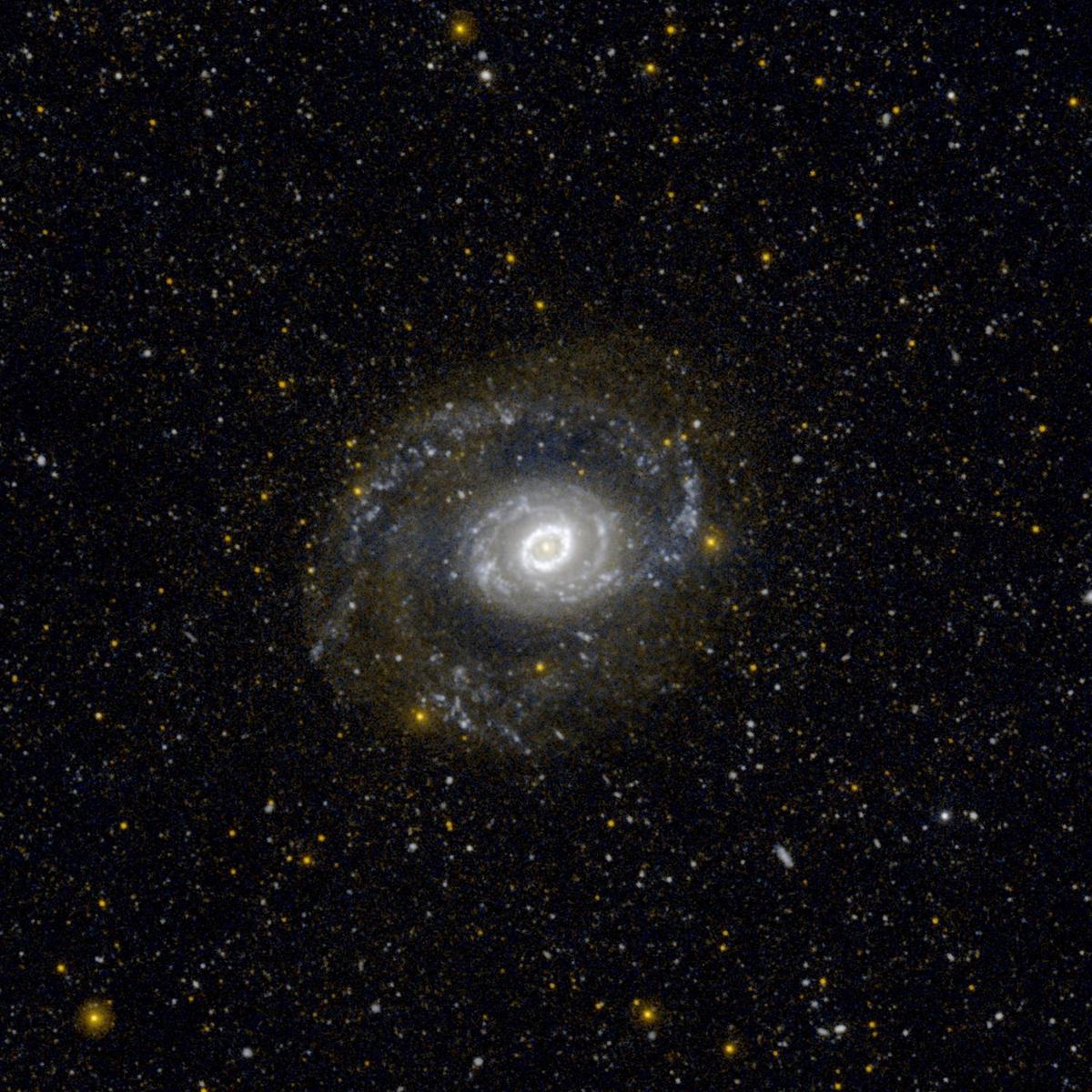
The family tree starts with GALEX, the Galaxy Evolution Explorer, a NASA telescope run by Caltech that mapped the ultraviolet sky from 2003 to 2013. UVEX takes over with an announced 50 to 100-fold gain in sensitivity. In practice it will catch sources 50 to 100 times fainter, at a depth and resolution on par with the big modern optical and infrared surveys.
Two instruments, one very busy sky
UVEX carries two complementary instruments. The first is a wide-field imager that sees two ultraviolet bands at once, like a camera with two colored filters stacked in front of the sensor. The second is a long, multi-width slit spectrograph, an instrument that spreads an object's light into its separate wavelengths, much as a prism turns a sunbeam into a rainbow. That spread is the spectrum, and it tells us which chemical elements are present and how fast the material is moving.
The survey is not a single snapshot. The plan is a cadenced sweep of the whole sky, meaning the same patches get visited again and again. Repeated visits catch whatever changes, and they leave behind an archive that stays useful for years. Repetition is where the surprises come from.
The target list runs into the millions. UVEX should identify millions of small nearby galaxies packed with young stars. In visible light, those galaxies are easy to confuse with distant ones that happen to look the same. "In optical light, it's very hard to distinguish these nearby galaxies from faraway ones that look similar. Ultraviolet light will make them easier to find," says Fiona Harrison, the mission's principal investigator at Caltech. The physics is friendly: ultraviolet from a nearby galaxy reaches us almost intact, while the same light from a faraway galaxy has been stretched by the expansion of the universe down into the infrared.
The sweep should also catch stripped massive stars, whose hydrogen envelope was torn away by a companion star. Only a handful are known today. UVEX should turn up hundreds, and it can look straight into whatever such a star has left. The Magellanic Clouds, two small galaxies next door to ours, will serve as nearby laboratories for hot stars born with few heavy elements.
Kilonovae: the first hours belong to ultraviolet
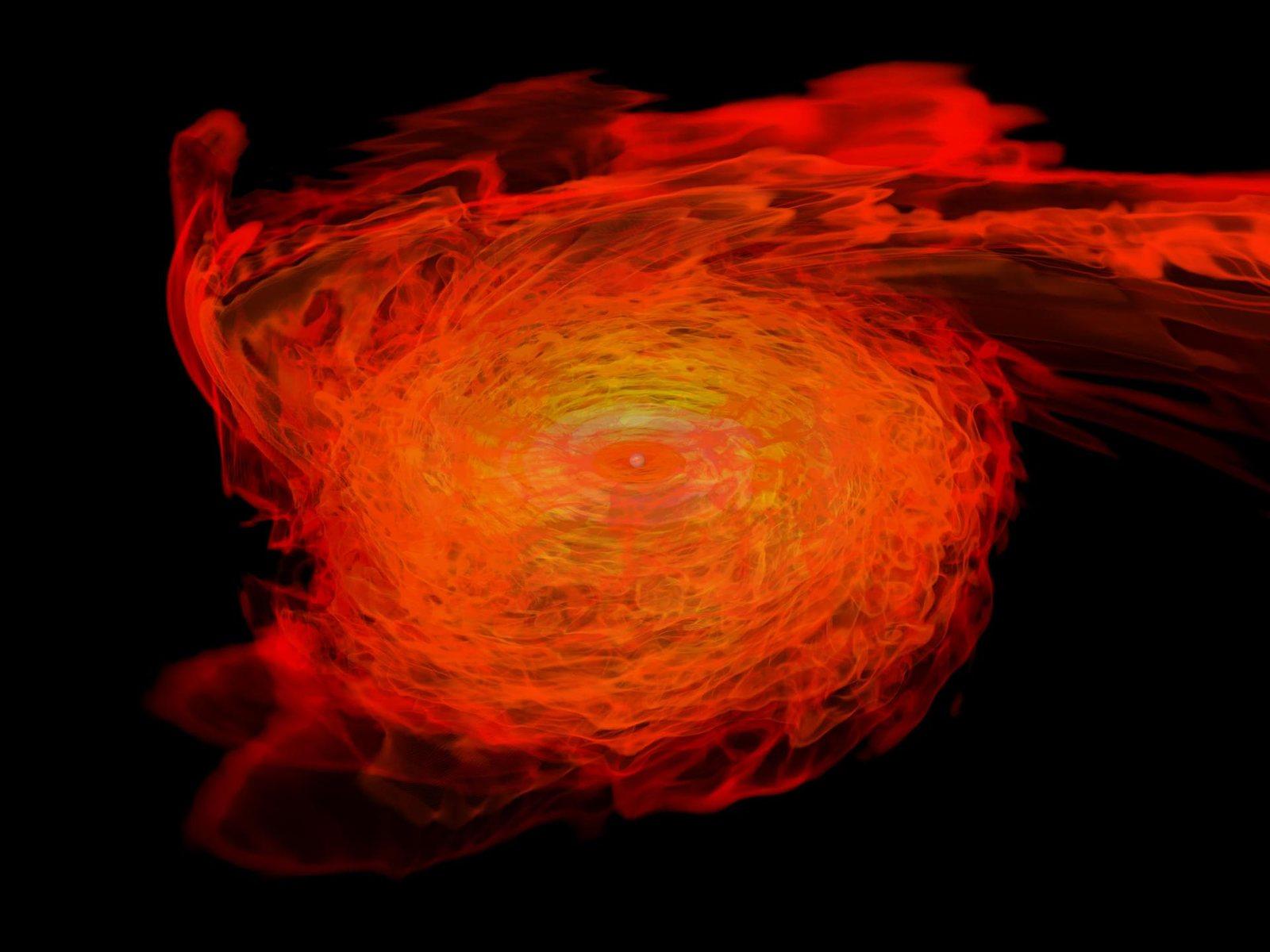
On August 17, 2017, the LIGO and Virgo detectors recorded two neutron stars merging for the first time. The event, GW170817, happened about 130 million light-years away. Telescopes around the world turned toward it. The collision forged gold and other heavy elements, the building blocks that stars and planets are made of.
A merger like that produces a kilonova, an explosion that burns bright in ultraviolet first, then cools and reddens within days. Ultraviolet is the window on those first hours. You just have to be quick. UVEX will take the alert from the gravitational-wave detectors, swing around in a few hours, and grab images and then spectra before the glow fades.
Mansi Kasliwal, a member of the UVEX team at Caltech, sums up the problem. Hubble does have ultraviolet eyes, but it cannot turn fast enough to follow an event in real time. UVEX is built for this, with a share of observing time set aside for alerts from the wider astronomy community. Astronomers call that slot a target of opportunity, a block of time kept free so the telescope can drop everything and look. The mission will also chase core-collapse supernovae in their first hours, while their light still carries the story of how the star fell apart.
Who builds UVEX, and the detectors it will leave behind
Fiona Harrison leads UVEX. She is a professor at Caltech, the principal investigator of NuSTAR, an X-ray telescope launched in 2012, and a co-chair of the decadal survey that sets priorities for US astronomy through the 2020s. She sums up her reason for taking the job as "the untapped opportunity in the ultraviolet."
The work is split across several institutions. Caltech and UC Berkeley develop the instrument, and UC Berkeley's Space Sciences Laboratory runs the mission. Northrop Grumman builds the spacecraft, and the Space Dynamics Laboratory is also among the partner institutions. NASA's Jet Propulsion Laboratory supplies the detectors. IPAC, Caltech's data center, processes and archives the observations for the whole community.
The detector story deserves a detour. UVEX's sensors are derived from CMOS, the imaging technology invented at JPL in the 1990s and now sitting inside billions of smartphones. The sensors will be built jointly by Caltech, SRI International and JPL. Shouleh Nikzad's team at JPL spent decades adapting that family of chips to ultraviolet, adding special filters and coatings so they can detect ultraviolet light that standard CMOS sensors ignore. NASA is weighing the same detectors for the Habitable Worlds Observatory, a giant space telescope still on the drawing board that would have to image planets like Earth.
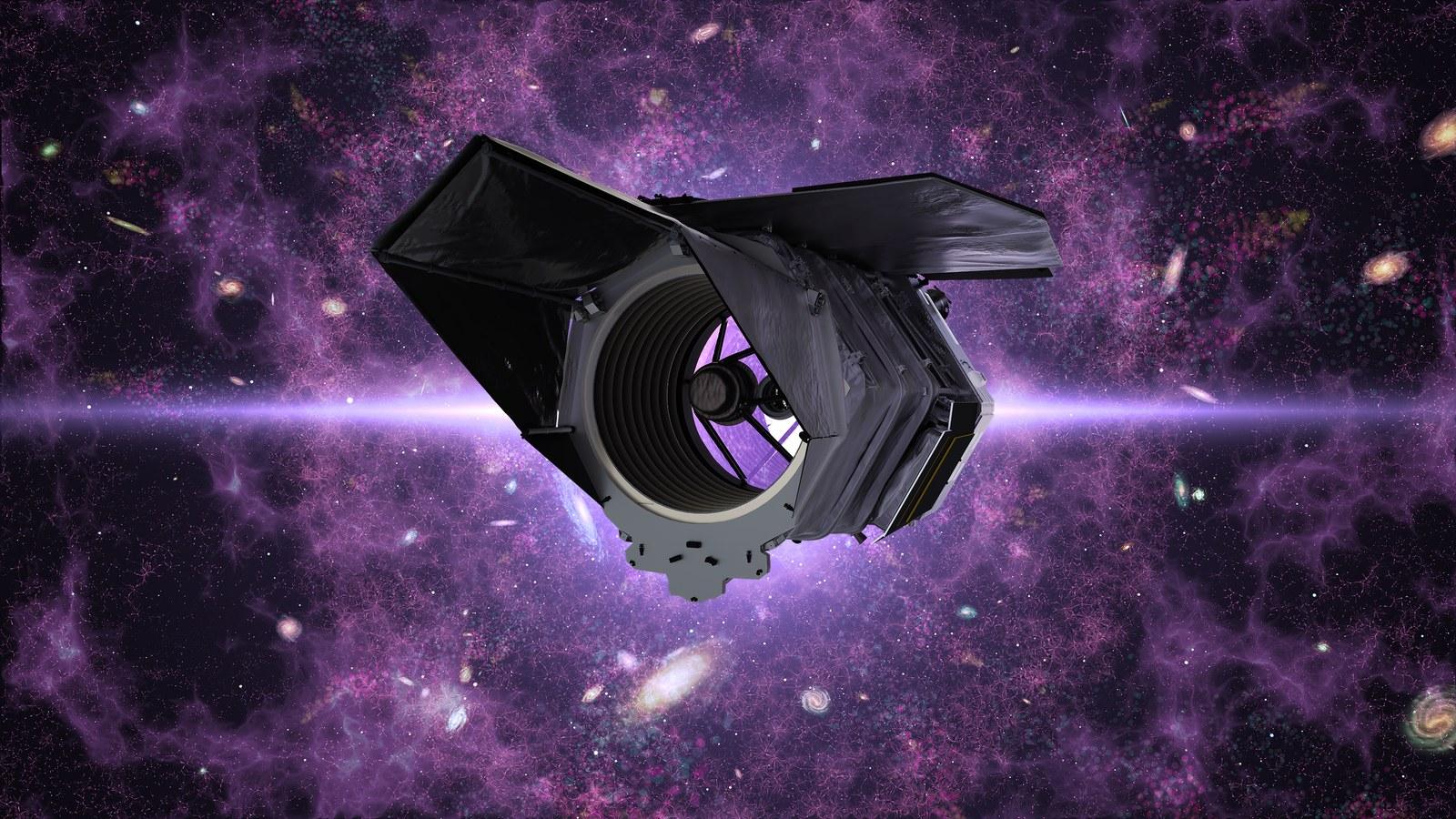
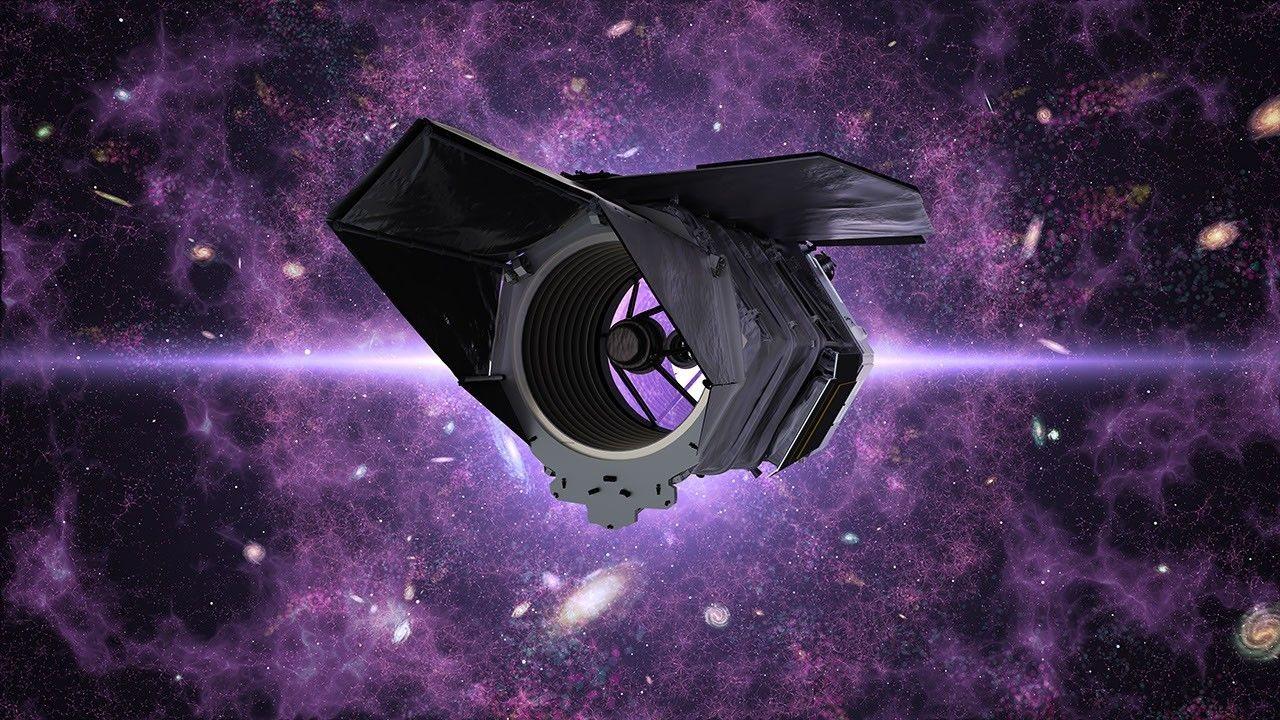
UVEX will not work alone. The Nancy Grace Roman Space Telescope maps the universe in infrared, the Rubin survey scans the visible sky from Chile and SPHEREx sweeps it in infrared as well. UVEX brings the missing piece, ultraviolet light, so all of it can be stacked into one map. Caltech calls it the first major ultraviolet space mission in two decades. Ray Jayawardhana, the institute's president, describes it as "a bold leap forward in our exploration of the ultraviolet universe."
Going further
- The other half of the picture comes from Roman, whose wide infrared survey will sit next to UVEX's ultraviolet map, with visible light from Rubin in Chile filling in the middle.
- The ideas behind the mission: ultraviolet, galaxy, supernova, multimessenger astronomy and space telescope.
- While you wait for 2031, plan a night outside with the sky map, the observing guide and the astrophotography gallery.
- The sources for this article: NASA's October 27, 2026 blog post, Caltech's October 27, 2026 release, the UVEX mission website and Caltech's 2024 selection announcement.